
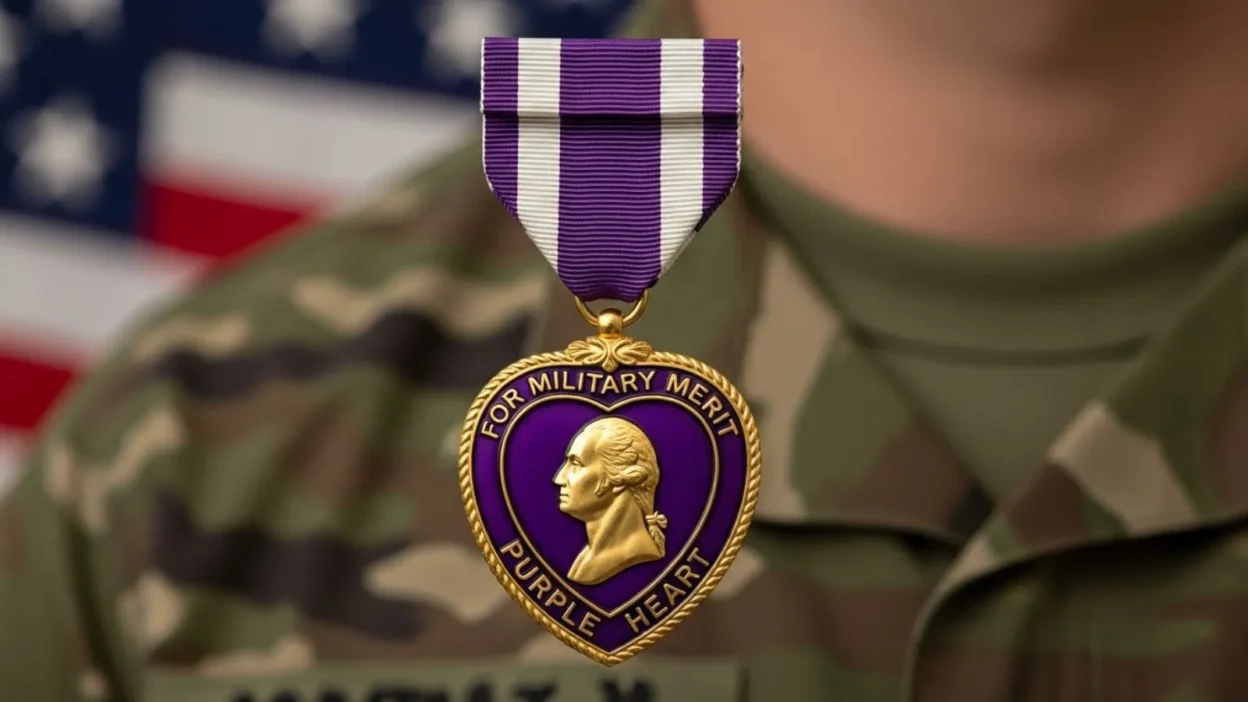
The Purple Heart is one of the most recognized and respected symbols in the United States, often associated with bravery, sacrifice, and honor.
Many people ask, what does Purple Heart mean, because the term is used in different contexts from military awards to emojis, tattoos, and even flowers.
While its most powerful meaning comes from its role as a military decoration, th ismilitary badge has also grown into a broader symbol of courage, loyalty, and deep emotional sacrifice.
Originally created to honor soldiers wounded or killed in service, this military badge carries a strong emotional weight for veterans, military families, and the nation as a whole.
In this article, we’ll explore the full meaning of the Purple Heart, its history, symbolism, and how it’s understood today in both military and everyday contexts.
What Is the Purple Heart?
The Purple Heart is a distinguished honor that holds deep historical and emotional significance, especially in the United States. At its core, the Purple Heart is a military decoration awarded to members of the U.S. Armed Forces who are wounded or killed while serving in combat. When people ask what does Purple Heart mean, the simplest answer is that it represents sacrifice made in the line of duty.
The Purple Heart takes the form of a heart-shaped medal, purple in color, with a profile of George Washington on the front. Its unique design sets it apart from other military awards, as it is not given for rank, achievement, or length of service. Instead, it is awarded based on the physical cost of war, making it one of the most personal and meaningful honors a service member can receive.
Beyond being a medal, the Purple Heart has become a powerful symbol of courage, resilience, and honor. For many families, it represents the pain and pride that come with military service. For the nation, it serves as a reminder of the real human sacrifices behind freedom and security.
Over time, the meaning of the Purple Heart has extended beyond the military. The phrase and symbol are often used in cultural, emotional, and symbolic contexts to express deep respect, remembrance, and unconditional sacrifice. Understanding what the Purple Heart is helps set the foundation for appreciating its history, symbolism, and lasting importance in both military and civilian life.
Purple Heart Meaning in the Military
In the military, the Purple Heart carries a very specific and powerful meaning. It is awarded to members of the United States Armed Forces who are wounded or killed as a direct result of enemy action while serving the nation. Unlike many other military honors, the Purple Heart is not given for bravery in battle alone or for completing a mission successfully. Instead, it recognizes the personal sacrifice and physical cost of war.
The Purple Heart medal symbolizes that a service member has shed blood—or made the ultimate sacrifice—in defense of their country. Because of this, it holds a deeply emotional value among soldiers, veterans, and military families. Receiving a Purple Heart is not something one strives for; rather, it is a solemn acknowledgment of injury, loss, and resilience under the harsh realities of combat.
Another unique aspect of the Purple Heart is that it does not depend on rank or position. Whether a soldier is a private or a high-ranking officer, the criteria remain the same. This reinforces the idea that sacrifice is honored equally, regardless of status. In many cases, the Purple Heart is awarded posthumously, serving as a lasting symbol of honor for families who have lost a loved one in service.
Within the military community, the Purple Heart represents brotherhood, courage, and remembrance. It stands as a visible reminder that freedom comes at a cost and that those who bear the wounds of war deserve lifelong respect and recognition.
History of the Purple Heart
The history of the Purple Heart dates back to the early days of the United States and is closely tied to the nation’s first president, George Washington. In 1782, during the American Revolutionary War, Washington created an award known as the Badge of Military Merit. This badge was designed to honor soldiers who demonstrated exceptional bravery or suffered hardship in service to the country. It was one of the earliest known military decorations in American history.
After the Revolutionary War, the Badge of Military Merit fell into obscurity and was rarely awarded. For more than a century, the idea behind it remained largely forgotten. However, in 1932—on the 200th anniversary of George Washington’s birth—the award was revived and renamed the Purple Heart. This modern version was redesigned as a purple, heart-shaped medal bearing Washington’s likeness, symbolizing both honor and sacrifice.
Initially, the Purple Heart was awarded for both bravery and injury, but its purpose evolved over time. Eventually, it became exclusively dedicated to recognizing those wounded or killed in action against an enemy. This change helped define the Purple Heart as a symbol of sacrifice rather than achievement.
Throughout major conflicts such as World War II, the Korean War, the Vietnam War, and more recent military operations, the Purple Heart has been awarded to millions of service members. Its long history reflects the enduring cost of war and the nation’s commitment to honoring those who have suffered in its defense.
Symbolism of the Purple Heart
The symbolism of the Purple Heart goes far beyond its physical design, carrying deep emotional and cultural meaning. Every element of the Purple Heart—its color, shape, and purpose—represents sacrifice, courage, and honor. When people ask what does Purple Heart mean, the symbolism helps explain why this award holds such powerful significance.
The color purple has long been associated with royalty, dignity, and courage. In a military context, purple represents the bravery required to face danger and endure hardship. It also symbolizes the pain and suffering experienced by wounded service members, making it a fitting color to honor those injured or killed in combat.
The heart shape is equally meaningful. Universally, the heart represents love, devotion, and life. In the Purple Heart, it reflects the love of country and the personal sacrifice made by service members. It also honors the emotional bonds between soldiers, their families, and the nation they serve.
Together, the purple color and heart shape create a symbol that acknowledges both physical wounds and emotional sacrifice. The Purple Heart reminds society that behind every medal is a real person who endured pain in service to others.
Beyond the military, this symbolism has influenced how the purple heart is viewed in broader culture. It has come to represent empathy, remembrance, and respect for sacrifice. Whether worn, displayed, or referenced, the Purple Heart stands as a lasting symbol of courage, resilience, and the true cost of freedom.
Purple Heart Meaning Outside the Military
While the Purple Heart is most commonly associated with military service, its meaning has expanded into broader cultural and emotional contexts. Today, the Purple Heart is recognized not only as a medal of sacrifice but also as a symbol of love, loyalty, and compassion in everyday life.
Just as soldiers endure pain for their country, the symbol of a purple heart can express enduring love and devotion to a partner, friend, or family member. It conveys a sense of loyalty and sincerity, often used in gifts, artwork, or even social media posts.
The purple heart emoji (💜) has also become a popular way to communicate this meaning digitally. People use it to show affection, empathy, or solidarity. In many online communities, it signifies emotional depth, understanding, or appreciation, bridging the gap between symbolic and personal expression.
Additionally, the purple heart flower carries its own symbolic meaning. In floral arrangements or gifts, purple heart flowers often represent admiration, respect, and remembrance. They can serve as a tribute to someone who has shown courage or loyalty, echoing the medal’s themes in a peaceful, symbolic form.
Even outside military contexts, the Purple Heart remains a powerful emblem of sacrifice, respect, and emotional strength. Whether through emojis, flowers, or cultural references, the symbol reminds people of the importance of honor, dedication, and compassion in everyday life, making it a universally meaningful icon.
Purple Heart Tattoo Meaning
Purple Heart tattoos have become a meaningful way for both veterans and civilians to honor the deep symbolism of the Purple Heart. For many veterans, a Purple Heart tattoo serves as a permanent tribute to their sacrifice or that of a fellow service member. It reflects the bravery, courage, and wounds endured during military service, making it a personal and emotional statement of identity and honor.
The design of a Purple Heart tattoo often mirrors the medal itself: a purple heart-shaped emblem featuring George Washington’s profile, sometimes accompanied by banners, dates, or other military symbols. These tattoos can also include the names of fallen comrades, service branches, or campaign details, making each tattoo highly personalized. For veterans who have received the medal, the tattoo can act as a visual reminder of their experiences and sacrifices, preserving their story for themselves and future generations.
For civilians, Purple Heart tattoos are sometimes chosen for their broader symbolic meanings. Beyond the military, the tattoo can represent resilience, emotional strength, and enduring love or loyalty. In this context, the purple heart becomes a symbol of personal challenges overcome, commitment to loved ones, or respect for someone who has made significant sacrifices.
Purple Heart tattoos are also a way to express solidarity and honor those who have given so much in service. Whether military or symbolic, the tattoo carries a powerful message: courage, sacrifice, and respect are values worth commemorating permanently on the skin, creating a living tribute that speaks far beyond words.
Purple Heart vs Other Military Medals
The Purple Heart is unique among military awards because it specifically recognizes wounds or death in combat, rather than acts of valor, achievement, or service. Understanding how it compares to other medals helps clarify its significance and the meaning behind it.
Unlike the Medal of Honor, which is the highest U.S. military award for acts of extreme bravery, the Purple Heart is not based on heroism alone. It is awarded solely for personal sacrifice—being injured or killed while serving in battle. This distinction makes it one of the most personal and solemn awards, highlighting the cost of service rather than the glory of heroics.
The Purple Heart also differs from medals like the Bronze Star or the Distinguished Service Cross, which are awarded for meritorious service or specific acts of gallantry. While those medals recognize accomplishments and courage under particular circumstances, the Purple Heart honors the physical toll of military service, making it deeply human and emotionally resonant.
Another key point is that the Purple Heart does not consider rank, time in service, or position. Every eligible service member, from the lowest enlisted soldier to the highest-ranking officer, can receive it if wounded or killed. This universality reinforces its symbol of shared sacrifice across the military community.
In comparison to other military awards, the Purple Heart holds a unique place in American military culture. It is not just a medal; it is a symbol of honor, suffering, and remembrance. It reminds both service members and civilians of the real cost of war and the courage required to defend a nation.
Common Misconceptions
Despite being one of the most recognizable military awards, the military badge is often misunderstood. Many people confuse its meaning, purpose, and eligibility, which can lead to widespread misconceptions.
While it is highly respected, it is not a medal for extraordinary heroism—that distinction belongs to the Medal of Honor. The Purple Heart specifically recognizes service members who are wounded or killed in action, regardless of whether they performed heroic acts during combat. Its value lies in honoring sacrifice, not rank or bravery.
In reality, it is strictly awarded based on injury or death caused by enemy action. Serving in a combat zone alone does not qualify someone for the award. It is exclusively a U.S. military decoration, reserved for active-duty members of the armed forces.
A further misunderstanding involves the medal’s connection to rank or length of service. Unlike some awards that depend on position or accomplishments.
By debunking these misconceptions, it becomes clear that the Purple Heart is a symbol of personal sacrifice, courage, and the real costs of war. Its meaning is rooted in recognition of suffering and honor, not prestige or achievement.
Why the Purple Heart Still Matters Today
The Purple Heart continues to hold profound importance in modern times, both within the military and in broader society. Its significance goes beyond the medal itself, serving as a symbol of sacrifice, courage, and remembrance. Even decades after it was first introduced, the Purple Heart remains a visible reminder of the personal cost of defending one’s country.
Receiving the medal honors the physical and emotional hardships endured in combat, validating experiences that are often difficult to express. It also provides a sense of solidarity among military personnel, as the award is a shared mark of sacrifice, regardless of rank or position.
Its meaning has even expanded into cultural contexts, such as emojis, flowers, and tattoos, emphasizing courage, loyalty, and emotional resilience.
Frequently Asked Questions (FAQs)
1. What does a Purple Heart symbolize?
The Purple Heart symbolizes sacrifice, courage, and honor. In the military, it represents soldiers who were wounded or killed in action. Outside the military, it can also signify love, loyalty, and emotional resilience.
2. Is the Purple Heart the highest military honor?
No, the Purple Heart is not the highest military award. The Medal of Honor holds that distinction. The Purple Heart specifically honors injury or death in combat, rather than acts of extreme heroism.
3. Who is eligible to receive the Purple Heart?
It is awarded exclusively to members of the U.S. Armed Forces who are wounded or killed due to enemy action. Eligibility is based on the circumstances of injury or death, not rank, position, or length of service.
4. Can civilians receive a Purple Heart?
No. Civilians, even those supporting the military, are not eligible. The award is strictly a military decoration.
5. What does the 💜 emoji mean?
This emoji mean is often used to express love, empathy, compassion, and loyalty. While inspired by the medal, it has broader cultural usage on social media and messaging platforms.
Conclusion:
The Purple Heart is much more than a medal; it is a powerful symbol of courage, sacrifice, and honor.
Originally established to recognize soldiers wounded or killed in combat, it has evolved over centuries into a universally respected emblem that carries deep emotional and cultural significance.
Understanding what It’s means helps us appreciate the personal sacrifices of service members and the profound impact their dedication has on families and society.
In the military context, it represents the physical and emotional cost of defending one’s country.
It is awarded without regard to rank or position, emphasizing that every act of sacrifice is equally honorable.
For veterans and their families, it serves as a tangible acknowledgment of their bravery and resilience, often providing comfort and a sense of pride.
From tattoos to emojis and flowers, it continues to inspire and communicate messages of devotion and respect.
Its widespread recognition underscores its enduring relevance, reminding people of the values it embodies.
Discover More Articles:
- What Does Habeas Corpus Mean? Easy to Understand
- Antebellum Meaning Explained: Everything You Need to Know
- What Does ABS Mean on a Car? Simple Explanation for Drivers