If you’ve recently come across the term twink online or in conversation, you might be wondering:
What does twink mean?
The word is commonly used in LGBTQ+ communities and has also gained popularity on social media platforms like TikTok and dating apps. While it may sound unfamiliar to some, it has a specific cultural meaning tied to appearance and identity.
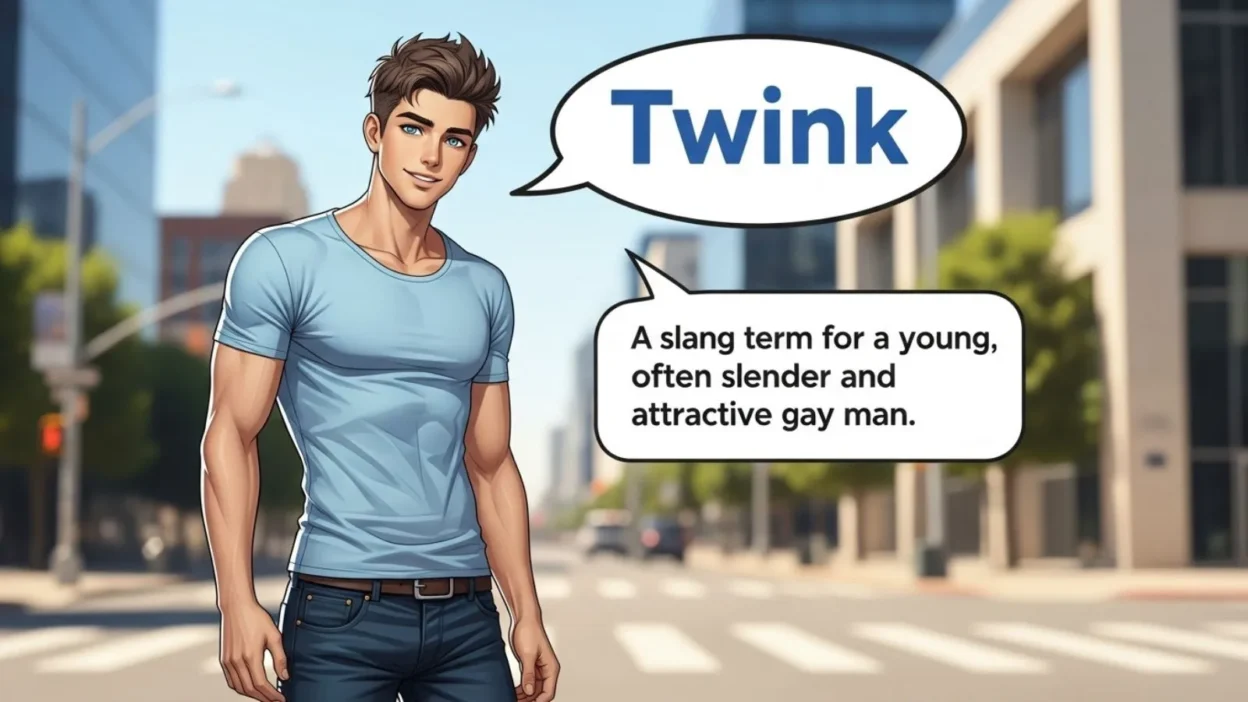
In general, a twink refers to a young, slim, and often youthful looking gay man. However, the meaning can vary depending on context, tone, and who is using the term. For some, it’s a playful or affectionate label. For others, it may feel limiting or stereotypical.
Understanding the full meaning of twink requires exploring its origins, cultural significance, and modern usage. In this article, we’ll break down the definition, history, comparisons with other terms, and whether the word is considered offensive or complimentary today.
What Does Twink Mean? (Clear Definition)
At its core, the term “twink” is used within gay male culture to describe a specific body type and appearance. A twink is typically a young, slim, and youthful-looking gay man, often with little to no body hair and soft facial features. The label focuses primarily on physical traits rather than personality, behavior, or gender identity.
While age can be a factor, “twink” does not refer strictly to a specific number. Instead, it usually suggests someone in their late teens to mid-20s who has a boyish or youthful look. However, appearance plays a larger role than age itself. Someone older who maintains those physical traits might still be described this way in certain contexts.
It’s important to understand that “twink” is not a medical or scientific term. It is a piece of community slang that developed within LGBTQ+ spaces to describe visual categories. Much like terms such as “bear” or “otter,” it helps people express attraction preferences or identity within dating culture.
The meaning can shift depending on tone. Within the community, it is often neutral or even positive. Outside of it, context matters greatly. Ultimately, “twink” describes a body type and aesthetic—not someone’s worth, personality, or character.
Origin and History of the Term Twink
The exact origin of the word “twink” is debated, but most explanations trace it back to gay male slang in the United States during the mid-to-late 20th century. One popular theory suggests the term was inspired by the snack cake “Twinkie.” The comparison was meant to describe someone who appears youthful, sweet, and soft on the outside. Another interpretation connects the word to British slang, where “twank” once referred to a young or inexperienced man. Over time, the spelling and pronunciation evolved into “twink.”
The term gained wider recognition in the 1980s and 1990s as LGBTQ+ communities became more visible in media and pop culture. During this period, gay male subcultures began using body-type labels more openly to describe attraction and identity within dating spaces. “Twink” became one of several descriptive categories, alongside terms like “bear” and “jock.”
As online dating and social networking platforms emerged in the early 2000s, the word spread even further. Dating apps and internet forums helped normalize its use as a self-descriptor. Today, the term is widely recognized beyond LGBTQ+ circles, although its cultural roots remain firmly within gay male communities. Understanding this history helps clarify that “twink” developed as insider slang rather than a mainstream label.
Twink in LGBTQ+ Culture
Within LGBTQ+ culture—particularly among gay men—the term “twink” functions as a body-type category that helps describe attraction, identity, and social grouping. Labels like twink, bear, otter, and jock developed organically within the community as a way to express preferences and create a shared language around dating and relationships. Rather than being random slang, these terms became part of a broader cultural framework.
In many cases, identifying as a twink can be empowering. Some people embrace the label as a confident expression of their appearance and aesthetic. It can signal youthfulness, slim build, and a softer look that others may find attractive. On dating apps, users often include the term in their profiles to quickly communicate how they see themselves or what they’re looking for.
However, the label can also carry stereotypes. Twinks are sometimes portrayed in media as naïve, overly feminine, or superficial—generalizations that do not reflect real individuals. Like any category, it can oversimplify complex identities.
Importantly, the term exists within a cultural context. It emerged from LGBTQ+ spaces as insider language. When used respectfully and appropriately, it can serve as a neutral or positive descriptor. When misused or applied mockingly, it can feel reductive. Context, tone, and intention always matter.
Twink Body Type Explained
When people ask what a twink body type looks like, they are usually referring to a specific set of physical traits commonly associated with the term. A twink is typically described as having a slim or lean build, minimal body hair, and a youthful facial appearance. The overall aesthetic is often soft rather than rugged or muscular.
Height is not a defining factor, and muscle tone can vary. Some twinks may be naturally thin, while others maintain a lean look through fitness or diet. The key element is a relatively slender frame without the bulkiness associated with categories like “jock” or the heavier build linked to “bear.” Facial features are often described as smooth or boyish, which contributes to the youthful impression.
Age is commonly connected to the label, but it’s more about appearance than an exact age range. Someone in their late 20s or even 30s could still be described this way if they maintain those physical traits. Conversely, a younger person who doesn’t fit the body type might not be labeled a twink.
It’s also important to stress that being called a twink does not define personality, gender expression, or masculinity. The term focuses on outward appearance—not character, behavior, or identity.
Is Twink Offensive or a Compliment?
Whether the term “twink” is considered offensive or complimentary depends largely on context, tone, and who is using it. Within LGBTQ+ communities, the label is often neutral or even positive. Many people proudly identify as twinks, using it as a way to describe their aesthetic and embrace their youthfulness or slim body type. In this context, it can function as a simple descriptor, much like “bear” or “otter,” without carrying judgment.
However, outside of these communities or in careless usage, the word can feel reductive or mocking. For example, calling someone a twink as an insult may imply superficiality, immaturity, or weakness. Media portrayals sometimes exaggerate these stereotypes, which can influence how the term is perceived by those unfamiliar with its cultural origins.
Intent and audience are crucial. Among friends or within the LGBTQ+ community, it can be playful or complimentary. When used by strangers or in a derogatory way, it may offend. Therefore, understanding the social context is essential.
It’s also worth noting that labels like twink reflect physical appearance rather than personality, sexual behavior, or moral character. Being called a twink doesn’t inherently carry judgment—it is only when stereotypes or assumptions are added that the term becomes problematic. Ultimately, using the term respectfully and within cultural awareness ensures it remains a descriptive label rather than an insult.
Twink vs Other LGBTQ+ Body Type Terms
In LGBTQ+ culture, “twink” is one of several terms used to describe male body types and aesthetics. Understanding how it compares to other labels can help clarify its meaning and avoid confusion.
Twink vs Bear
A bear is typically a larger, more muscular or heavyset man, often with body and facial hair. Bears are seen as rugged and masculine, which contrasts sharply with the slim, youthful, and smooth appearance of a twink.
Twink vs Otter
An otter falls somewhere between a twink and a bear. Otters usually have a lean build like twinks but have more body hair. They’re considered less boyish and more mature in appearance than twinks.
Twink vs Cub
A cub is generally younger or smaller than a bear, often with a soft, slightly stocky build. Cubs share some youthfulness with twinks but are typically heavier and hairier, making them distinct.
Twink vs Jock
A jock emphasizes athleticism and a toned, muscular body. While twinks are slim and delicate in appearance, jocks have a stronger, more defined physique.
Twink vs Femboy
A femboy focuses on gender expression rather than strictly body type. Femboys may adopt feminine clothing or makeup while remaining male, whereas twink refers mostly to physical traits like slimness and youthfulness.
Comparing these labels highlights that twink is primarily about appearance, not personality, behavior, or masculinity. Each term has its own cultural nuance, and understanding the distinctions helps navigate LGBTQ+ spaces respectfully.
Twink in Social Media & Pop Culture
The term “twink” has evolved beyond LGBTQ+ community spaces and has become a part of broader social media and pop culture. Platforms like TikTok, Instagram, Twitter/X, and even YouTube have contributed to the term’s widespread recognition, often in playful or meme-oriented ways. On these platforms, “twink” is sometimes used to describe a certain aesthetic: youthful, slim, stylish, and smooth-skinned individuals, regardless of sexual orientation.
Dating apps like Grindr, Scruff, and Tinder also frequently use the label. Users often self-identify as twinks in their profiles to signal physical appearance or personal style to potential matches. In this context, the term serves as a shorthand to communicate attractiveness or compatibility preferences.
Pop culture references further reinforced the label. Films, TV shows, and online memes sometimes portray twinks as youthful, fashionable, and flirtatious. While these depictions can exaggerate stereotypes, they have also helped normalize the term for wider audiences.
However, social media usage can blur the original cultural context. Outside LGBTQ+ spaces, “twink” may be applied casually or humorously, which sometimes detaches it from its community roots. Despite this, the term remains recognizable and often carries the same associations with youthfulness, slimness, and soft features.
Understanding the role of social media and pop culture helps readers see how the word has expanded in usage. It shows that while “twink” started as insider slang, today it is part of a broader cultural lexicon, influencing online identity, dating, and humor across multiple platforms.
Stereotypes and Misconceptions
While the term “twink” serves as a simple descriptor of appearance, it has often been accompanied by stereotypes and misconceptions. Media portrayals and popular culture sometimes exaggerate traits, which can create misleading ideas about people labeled as twinks.
A common stereotype is that twinks are overly feminine, naïve, or superficial. In reality, physical appearance alone does not determine personality, behavior, or intelligence. Many individuals who fit the twink aesthetic may be assertive, confident, or deeply complex, defying these simplistic portrayals.
Another misconception is that twinks are inherently young or inexperienced. While youthfulness is associated with the term, it is primarily about appearance, not age or sexual experience. Someone older with a slim, youthful look may still be considered a twink, while a younger person who doesn’t fit the body type may not.
Twinks are also sometimes assumed to be the opposite of masculinity, which can reinforce harmful gender norms. The term is aesthetic, not a judgment of masculinity, confidence, or capability.
Additionally, some believe the term is universally offensive or insulting, but context matters. Within LGBTQ+ communities, it is often neutral or positive. Misunderstandings arise when people outside the culture apply the term carelessly or mockingly.
By recognizing these stereotypes and misconceptions, we can understand that “twink” is a descriptive label, not a judgment. Awareness of these nuances allows for respectful and accurate usage, preventing the reinforcement of negative assumptions or oversimplifications.
Psychological & Social Impact of Labeling
Labels like “twink” can have both positive and negative effects on individuals within the LGBTQ+ community. On the positive side, identifying with a category like twink can provide a sense of belonging and community. For some, it is a way to express pride in their appearance and connect with others who share similar traits. On dating apps or social networks, the label can help communicate attraction preferences clearly, making social interactions smoother.
However, there can also be psychological downsides. Being categorized as a twink may create pressure to maintain a certain body type or youthful appearance. This can lead to body image concerns, anxiety, or stress about aging. The emphasis on slimness and hairlessness can feel exclusive, leaving those who don’t fit the aesthetic to feel marginalized or overlooked.
Socially, labels can influence how people are perceived or treated. Twinks may face assumptions about personality, sexual behavior, or maturity based solely on appearance. Even playful teasing within the community can reinforce stereotypes, affecting self-esteem or social confidence.
It’s important to recognize that while labels like twink can facilitate community identity and self-expression, they are not definitive of an individual’s character, worth, or abilities. Using these terms mindfully and understanding their cultural context helps minimize negative impacts while retaining their descriptive value.
In short, the psychological and social impact of the term depends on context, intention, and personal perspective, highlighting the need for sensitivity and awareness when discussing body-type labels.
Can Straight People Be Called Twinks?
While the term “twink” originated within gay male culture, its use has expanded in modern slang and social media, leading some to wonder whether straight men can be called twinks. Technically, the label refers primarily to physical appearance—slim build, youthful features, and minimal body hair—rather than sexual orientation. In that sense, anyone who fits the aesthetic could be described as a twink.
However, context matters. Within LGBTQ+ spaces, “twink” has specific cultural connotations tied to gay identity and community dynamics. Using the term for someone outside the community may overlook these roots or feel disconnected from its original meaning. For straight men, being called a twink is often playful or humorous rather than a serious descriptor, especially on social media platforms like TikTok or Instagram.
It’s also important to consider intention and audience. Some LGBTQ+ individuals may view applying the term to straight men as cultural appropriation or a casual misuse, while others may not mind. On dating apps or online discussions, context determines whether the term feels appropriate or misplaced.
In essence, straight men can be called twinks in terms of appearance alone, but the label carries more weight within LGBTQ+ culture. Recognizing its origins ensures respectful usage, and understanding context prevents misinterpretation. The term remains primarily a descriptor of aesthetics rather than sexual identity, but cultural awareness is key to using it appropriately.
How to Use the Term Respectfully
The term “twink” can be a neutral or even positive label when used respectfully and in context, but careless use can feel reductive or offensive. Understanding the cultural origins of the word is the first step. It emerged within gay male communities as insider slang to describe a youthful, slim body type, and its meaning is closely tied to LGBTQ+ identity and culture. Using it without awareness of these roots can unintentionally minimize its significance.
Respectful use involves considering tone and audience. Among friends or within LGBTQ+ spaces, the term is often playful or complimentary. It can signal identity, aesthetic preference, or community belonging. Outside these spaces, it’s important to avoid using it to stereotype, mock, or judge someone based on appearance. Labels should describe rather than define a person’s character or value.
Another key point is contextual awareness. For example, using the term on social media in a meme or joke can be harmless if it’s culturally informed and lighthearted. However, using it in a way that implies weakness, superficiality, or inferiority crosses a line.
Lastly, if you’re unsure, it’s always better to ask or avoid. Some people embrace the label, while others may dislike being categorized. Being mindful ensures the term remains a descriptive, culturally aware word rather than a source of offense.
In short, respectful usage combines knowledge, context, and sensitivity, allowing “twink” to function as a meaningful descriptor without reinforcing stereotypes or harming others.
Frequently Asked Questions (FAQs)
1. What does twink mean in slang?
A twink is typically a young, slim, and youthful-looking gay man. The term focuses on physical appearance rather than personality, behavior, or gender identity.
2. Is twink only used for gay men?
Originally, yes. It emerged within gay male culture, but in modern slang, it can sometimes be used more broadly to describe anyone with the twink aesthetic, though context matters.
3. What age is considered a twink?
There is no strict age. While youthfulness is implied, the label is based more on appearance—slim build, soft features—than chronological age.
4. Is being called a twink a compliment?
It depends on context. Within LGBTQ+ communities, it is often neutral or positive. Outside, tone and intention determine whether it feels complimentary or reductive.
5. What is a twink body type?
A twink usually has a lean, slender frame, minimal body hair, smooth facial features, and a youthful appearance. Muscle tone and height can vary.
6. What is the opposite of a twink?
Opposites often include terms like “bear” (heavier, hairier, more muscular) or “jock” (athletic build). Each label highlights different body types and aesthetics.
7. Can straight people be called twinks?
Yes, in terms of appearance alone. However, the term’s cultural roots are in gay male communities, so context and awareness are important.
Conclusion:
The term Twink is more than just slang it is a descriptive label rooted in LGBTQ+ culture that primarily refers to a young, slim, and youthful looking gay man.
Understanding its meaning involves looking beyond stereotypes and appreciating the cultural context in which it developed.
While often used playfully or as a compliment within the community, tone, intention, and audience matter significantly when applying the term.
Twink is not about personality, behavior, or masculinity; it is a visual category that has evolved alongside other labels like bear, otter, and cub.
Social media and pop culture have expanded its recognition, but this broader usage sometimes detaches it from its original context.
By doing so, twink can remain a meaningful and accurate descriptor, helping people express identity, aesthetic, and community belonging without reinforcing negative stereotypes or misconceptions.