
Have you ever come across the word torta on a menu or in a recipe and wondered what it really means? Depending on where you are in the world, torta can take on very different meanings.
Within Mexico, it’s a popular type of sandwich loaded with meats, cheese, and fresh toppings. In Spain, it often refers to a cake or flatbread enjoyed during special occasions.
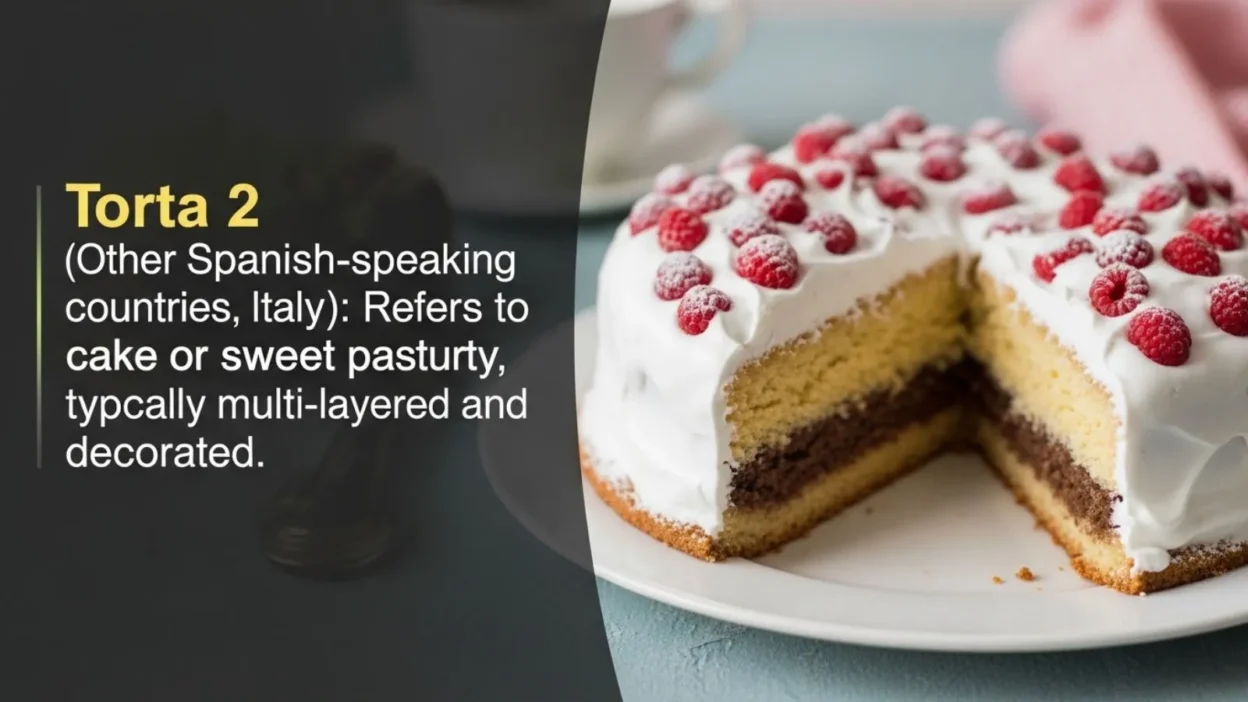
In Italy, torta typically means a sweet cake, while in the Philippines it can even refer to an omelet or dessert.
This fascinating word reflects rich culinary traditions and cultural nuances that vary across regions. Understanding what torta means not only helps travelers and food lovers navigate menus with confidence but also opens a window into the history, flavors, and creativity behind these dishes.
In this article, we’ll explore all aspects of torta—from definitions and origins to recipes, fun facts, and cultural significance.
Definition and Etymology of Torta
The word torta has a fascinating history that reflects its diverse culinary meanings around the world. It originates from the Latin word torta, which means “twisted” or “round cake,” and was later adopted into Spanish and Italian with slightly different connotations. In Spanish-speaking countries, torta can mean either a type of cake, flatbread, or, in Mexico, a hearty sandwich. The context in which it is used usually determines the meaning. For example, if you’re in Spain and someone mentions torta de Santiago, they’re referring to a traditional almond cake from Galicia. Within contrast, in Mexico, ordering a torta de jamón at a street vendor will get you a ham-filled sandwich, often with avocado, beans, and spicy sauces.
In Italian, torta generally refers to cakes, often sweet or layered, such as Torta Caprese, a chocolate and almond cake from the island of Capri. In the Philippines, the term has been borrowed to describe cakes, pancakes, or even omelets, depending on regional traditions.
The versatility of the word torta shows how culinary practices evolve over time and across cultures. From baked goods to sandwiches, the meaning is shaped not just by the ingredients but also by local customs and history. Knowing the etymology helps food enthusiasts, travelers, and cooks alike appreciate the richness and variety behind this seemingly simple word.
Torta in Mexico: The Famous Sandwich
In Mexico, the word torta usually refers to a savory sandwich, a staple of Mexican street food and home cooking. Unlike a typical sandwich, a Mexican torta is made with soft, slightly crusty bread called bolillo or telera, which is sliced open and often lightly toasted. Inside, it’s generously filled with a variety of ingredients that balance flavor, texture, and freshness. Common fillings include sliced or shredded meats such as ham, chicken, beef, or the breaded milanesa. Popular additions include avocado, refried beans, onions, tomatoes, jalapeños, lettuce, and a range of spicy sauces like chipotle mayo or salsa verde.
There are also signature regional varieties of tortas, such as the Torta Cubana, which is loaded with multiple meats and toppings, or the Torta de Jamón, a simpler ham and cheese version. Street vendors, bakeries, and local restaurants all serve tortas, making them widely accessible and beloved across Mexico.
The Mexican torta is more than just a meal—it’s a reflection of the country’s rich culinary culture. It showcases the blend of indigenous and Spanish influences and offers endless customization. For travelers and food enthusiasts, trying a freshly made torta is a must-do culinary experience, providing not only great taste but also insight into the daily life and traditions of Mexico.
Torta in Spain: Cakes and Flatbreads
In Spain, the meaning of torta shifts from savory sandwiches to baked goods, often referring to cakes or flatbreads enjoyed during special occasions. One of the most famous examples is the Torta de Santiago, a traditional almond cake from Galicia. This cake is typically decorated with powdered sugar and the distinctive cross of Saint James, symbolizing both cultural heritage and religious tradition. Spanish tortas can vary widely depending on the region—some are sweet, while others are more bread-like and savory, such as the torta de aceite, a thin, crisp flatbread made with olive oil and anise seeds, commonly served as a snack or accompaniment to meals.
Unlike the Mexican torta, which emphasizes hearty fillings and layers, Spanish tortas focus on flavor, texture, and presentation. Ingredients often include almonds, olive oil, eggs, sugar, and regional flavorings, reflecting the local culinary practices. Some tortas are simple everyday treats, while others are prepared for holidays, festivals, or family celebrations, making them an integral part of Spain’s gastronomic culture.
Understanding the Spanish meaning of torta helps clarify how the same word can represent very different foods in different countries. While in Mexico a torta is a savory sandwich, in Spain it’s often a delicately prepared cake or flatbread. This contrast highlights the rich diversity of culinary traditions tied to language, giving food enthusiasts an opportunity to explore global flavors and histories simply by learning the meaning behind the word torta.
Torta in Italy and Other Countries
In Italy, the word torta typically refers to cakes, often sweet, layered, or rich in flavor. Classic Italian tortas include Torta Caprese, a dense chocolate and almond cake from the island of Capri, and Torta della Nonna, a custard-filled pastry topped with pine nuts. Italian tortas can range from simple homemade cakes to elaborate desserts served during special occasions, such as birthdays, weddings, or religious holidays. The emphasis is on quality ingredients, balanced flavors, and often, artistic presentation.
Beyond Italy, the meaning of torta varies in different countries. In the Philippines, for example, the term has been adapted to refer to both cakes and savory omelets, depending on the region. In other Latin American countries, torta can refer to layered cakes, flatbreads, or even sweet breads. This global diversity shows how a single word can evolve in meaning based on local culture, ingredients, and culinary traditions.
Understanding these variations is essential for travelers, chefs, and food enthusiasts. While a Mexican torta is a hearty sandwich and a Spanish torta may be a flatbread or almond cake, in Italy and other countries, torta is more commonly associated with dessert. Recognizing these differences helps avoid confusion, allows for authentic culinary experiences, and deepens appreciation for the history and creativity behind this versatile word.
By exploring torta across different regions, it becomes clear that this simple term carries centuries of cultural and culinary evolution, connecting people and traditions through food.
Differences Between Torta and Similar Foods
The word torta can be confusing because its meaning changes depending on the country and context. Understanding the differences between a torta and similar foods helps avoid misunderstandings, whether you’re reading a menu, cooking, or traveling.
In Mexico, a torta is a sandwich, but it is distinct from a typical sandwich in several ways. Mexican tortas are usually made with bolillo or telera bread, which has a soft interior and slightly crusty exterior. The fillings are layered generously, often including meats like ham, chicken, or breaded milanesa, along with beans, avocado, cheese, vegetables, and spicy sauces. Unlike standard sandwiches, tortas are usually larger, heartier, and served warm.
In Spain and Italy, torta usually refers to cakes or flatbreads. Here, tortas differ from bread, pastries, and pies because they often involve richer ingredients, special preparation, and cultural traditions. For instance, a Spanish torta de Santiago is an almond cake, while an Italian torta della Nonna is a custard-filled dessert topped with pine nuts. These tortas are not sandwiches—they are baked confections enjoyed as desserts or festive treats.
The confusion often comes when the same word appears in different culinary contexts. By recognizing whether the setting is Mexican, Spanish, Italian, or another country, you can determine if torta means a sandwich, a cake, or a flatbread. This distinction is crucial for travelers, chefs, and food enthusiasts who want to fully appreciate the rich history and flavors behind this versatile term.
How to Make a Mexican Torta at Home
Making a Mexican torta at home is easier than it sounds and allows you to enjoy this classic sandwich anytime. The first step is choosing the right bread. Traditionally, bolillo or telera rolls are used because they are soft inside but have a slightly crispy crust that holds the fillings well. Slice the roll in half and lightly toast it for extra texture and flavor.
Next, select your protein. Common choices include sliced ham, roasted chicken, beef, or breaded milanesa. For a vegetarian option, grilled vegetables, beans, or avocado make delicious substitutes. Spread a layer of refried beans or mayonnaise on the bread, then add the protein, followed by fresh vegetables like lettuce, tomatoes, onions, and jalapeños. Slices of avocado, pickled jalapeños, or cheese can enhance flavor and richness. Finish with your choice of sauce, such as salsa verde, chipotle mayo, or a touch of hot sauce.
Layering is key—build your torta carefully so each bite contains a balanced mix of flavors and textures. Once assembled, press gently and enjoy immediately while the bread is still slightly warm.
Making tortas at home is not only satisfying but also a fun way to experiment with flavors. You can create classic versions or invent your own combinations, reflecting the versatile spirit of Mexican street food. By preparing your torta, you get a delicious sandwich that’s fresh, customizable, and authentically Mexican, bringing the taste of Mexico right into your kitchen.
Fun Facts, Trivia, and Cultural Insights
The word torta carries not just culinary significance but also fascinating cultural insights and trivia. In Mexico, tortas are so popular that street vendors often specialize in just one or two varieties, perfecting the flavor and presentation over decades. The Torta Cubana, despite its name, is a uniquely Mexican creation loaded with multiple meats and toppings, and it is considered a treat for special occasions or hearty lunches.
In Spain, tortas play an important role in regional traditions. For example, Torta de Santiago is associated with pilgrimage routes and religious celebrations, while torta de aceite, a thin olive oil flatbread, is often enjoyed with coffee or wine. These tortas are more than food—they are a way of preserving cultural identity and passing down family recipes through generations.
Pop culture has also embraced tortas. Mexican tortas appear in films, TV shows, and social media, showcasing the vibrant street food culture. They are celebrated in festivals, competitions, and culinary tours, making them both a gastronomic and social experience.
Interestingly, the word torta even shows up in idiomatic expressions in some Spanish-speaking regions, often reflecting local humor or wisdom. This highlights how deeply embedded the concept is in daily life, beyond just being a meal.
Learning about tortas provides a window into the histories, traditions, and creativity of different cultures. From street corners in Mexico to festive kitchens in Spain and Italy, tortas connect people through flavor, storytelling, and shared culinary heritage.
Frequently Asked Questions About Torta
1. What is the difference between a torta and a sandwich?
The difference depends on the country. In Mexico, a torta is a specific type of sandwich made with bolillo or telera bread and layered with meats, beans, cheese, avocado, vegetables, and sauces. It is usually larger and heartier than a regular sandwich. In Spain and Italy, however, torta typically refers to a cake or flatbread rather than a sandwich.
2. Is torta always sweet or can it be savory?
Torta can be either, depending on the region. Within Mexico, tortas are savory sandwiches. In Spain and Italy, tortas are often sweet cakes or desserts, although Spain also has savory flatbreads called torta de aceite. In the Philippines, the term can refer to both sweet cakes and savory omelets.
3. Where can I try an authentic Mexican torta?
Authentic tortas are best found at street vendors, local bakeries, or casual Mexican restaurants. Cities like Mexico City, Guadalajara, and Monterrey are famous for their street tortas. Homemade tortas are also common in Mexican households.
4. Can tortas be made vegetarian or vegan?
Absolutely! Vegetarian versions can include grilled vegetables, beans, cheese, avocado, and sauces. Vegan tortas replace cheese and mayo with plant-based alternatives, while keeping the fresh vegetables and hearty fillings.
5. How do I pronounce torta correctly?
In Spanish and Italian, it is pronounced TOR-tah, with emphasis on the first syllable. Knowing the correct pronunciation is especially helpful when ordering at restaurants or discussing recipes.
Conclusion:
The word torta is much more than a simple culinary term it reflects a rich tapestry of culture, history, and flavor across the globe.
From the hearty, layered sandwiches of Mexico to the sweet almond cakes of Spain and Italy, tortas showcase the diversity of food traditions and regional creativity.
Understanding the meaning of torta in its local context allows travelers, food enthusiasts, and home cooks to fully appreciate the experience, whether ordering at a street vendor, enjoying a festive dessert, or preparing one at home.
Exploring tortas also highlights how a single word can evolve over time, taking on unique meanings in different countries while maintaining its roots in history and language.
If you’re craving a Mexican torta loaded with fresh ingredients or an Italian torta served as a dessert, this versatile word connects people through food, culture, and shared culinary enjoyment. Try a torta yourself and discover the delicious story behind this remarkable dish.

The author behind RiddleBurst.com loves creating fun, clever, and unique riddles for all ages. Their goal is to challenge minds, bring smiles, and make learning through riddles both engaging and enjoyable.