
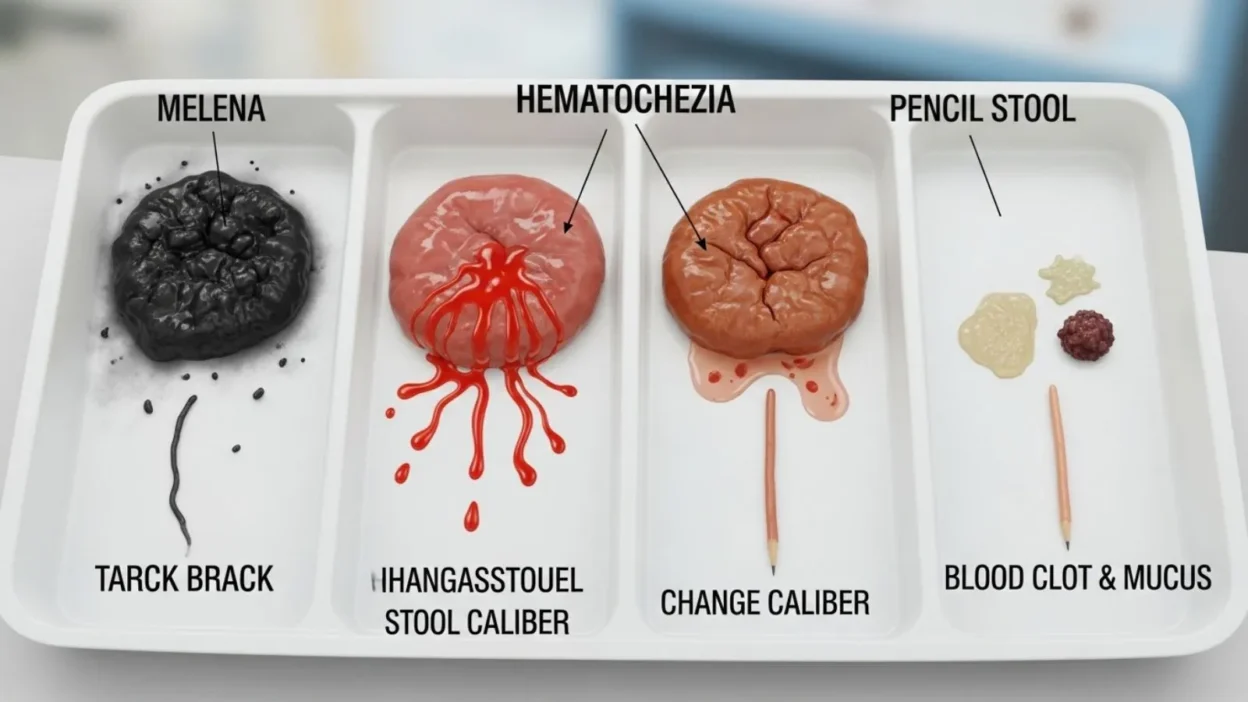
Colon cancer is one of the most common cancers worldwide, and early detection can make a significant difference in treatment outcomes. One of the lesser known but important warning signs of colon cancer is a change in stool appearance.
Your poop can reveal subtle clues about what is happening in your digestive system, and noticing these changes early may help in identifying colon cancer before it progresses.
While occasional changes in bowel habits are normal, persistent differences in color, shape, or consistency could indicate a problem.
Symptoms such as blood in the stool, pencil thin shapes, or mucus presence should never be ignored. Understanding what colon cancer poop looks like, alongside other associated symptoms like abdominal pain, fatigue, or unexplained weight loss, empowers you to seek timely medical attention.
This article will explore the key visual and physical signs in stool that may suggest colon cancer, helping you stay informed and proactive about your health.
Understanding Colon Cancer
Colon cancer, also known as colorectal cancer, develops when abnormal cells in the colon or rectum grow uncontrollably, forming a tumor. These tumors can interfere with normal digestive functions and, if left untreated, may spread to other parts of the body. Colon cancer often begins as small, noncancerous growths called polyps. Over time, some polyps may become cancerous, making regular screening essential, especially for individuals over 45 or those with a family history of the disease.
Several risk factors contribute to the likelihood of developing colon cancer. Age is a significant factor, with most cases occurring in adults over 50. A diet high in red or processed meats, low physical activity, obesity, smoking, and heavy alcohol use can also increase risk. Genetic conditions such as Lynch syndrome or familial adenomatous polyposis further elevate the chances of developing the disease.
Early colon cancer may not cause obvious symptoms, which is why subtle signs, such as changes in stool color, consistency, or frequency, can be crucial indicators. Other symptoms may include unexplained fatigue, anemia, abdominal discomfort, and unintentional weight loss. Recognizing these warning signs promptly can lead to early diagnosis, significantly improving treatment success and survival rates.
By understanding how colon cancer develops and the risk factors involved, you can be more attentive to changes in your body, including alterations in bowel movements that may signal a problem.
How Colon Cancer Affects Stool
Colon cancer can have a direct impact on your stool, often causing noticeable changes in color, shape, and consistency. Tumors in the colon or rectum can partially block the passage of stool, which may lead to narrower, pencil-thin stools or irregular shapes. These changes occur because the tumor restricts the normal flow of bowel movements, making it harder for the body to pass waste comfortably.
Another common sign is the presence of blood in the stool. Depending on the tumor’s location, blood may appear bright red or dark, almost black, if it has been digested as it passes through the intestines. Some individuals may also notice mucus coating the stool, which can result from inflammation caused by the tumor.
Consistency and frequency can also be affected. Some people experience constipation due to partial blockages, while others may notice diarrhea or alternating patterns between diarrhea and constipation. Stool may also float more than usual or appear greasy if fat absorption is affected.
It’s important to note that these changes are not always caused by colon cancer; dietary changes, infections, or other digestive conditions can produce similar symptoms. However, persistent or worsening alterations in stool—especially when combined with blood, mucus, or narrow shapes—should not be ignored. Observing and tracking stool changes can provide valuable early warnings and prompt timely medical evaluation.
Visual Signs of Colon Cancer in Poop
One of the most noticeable indicators of colon cancer can be changes in the appearance of your stool. Recognizing these visual signs early can help prompt timely medical attention.
Color changes are among the most significant. Blood in the stool is a red flag; it may appear as bright red streaks or darker, tarry black stool, depending on where the bleeding occurs in the colon. Bright red blood often indicates bleeding from the lower colon or rectum, while dark stools suggest bleeding from the upper colon.
Shape and size changes are also critical. Tumors can narrow the passage in the colon, resulting in pencil-thin or unusually narrow stools. Consistently thin or irregularly shaped stool can be a warning sign that shouldn’t be overlooked.
Texture and consistency may vary as well. Some people notice harder, lumpy stools, while others experience soft, loose stools or mucus-coated bowel movements. Floating stools or greasy textures may indicate issues with digestion or fat absorption.
Frequency changes can accompany these visual signs. You might experience constipation, diarrhea, or alternating bouts of both. A feeling of incomplete evacuation, urgency, or straining may also be present.
While these changes do not always confirm colon cancer—many can result from hemorrhoids, infections, or dietary issues—persistent or worsening symptoms should prompt a visit to a healthcare professional. Paying attention to your stool’s visual characteristics can be one of the earliest and most telling clues to potential colon health issues.
Other Symptoms Accompanying Stool Changes
Changes in stool appearance are often the first signs of colon cancer, but they are rarely the only symptoms. Paying attention to other accompanying signs can help identify the condition earlier and prompt timely medical evaluation.
Abdominal discomfort is common. This may include cramps, bloating, or gas that doesn’t go away. Tumors in the colon can create partial blockages, leading to persistent discomfort or a feeling of fullness even after small meals.
Fatigue and weakness can result from anemia caused by slow, chronic bleeding in the colon. Even small amounts of blood loss over time can reduce red blood cell levels, leaving you feeling unusually tired, lightheaded, or short of breath.
Unexplained weight loss is another warning sign. If colon cancer affects digestion or causes loss of appetite, noticeable weight loss can occur without intentional dieting or increased physical activity.
Changes in bowel habits often accompany stool appearance changes. This can include diarrhea, constipation, or alternating patterns of both. Some individuals may also feel an incomplete evacuation after a bowel movement, or experience a sudden urge to go.
Other signs may include nausea, vomiting, or general malaise. While these symptoms can also result from less serious conditions, when combined with persistent changes in stool—especially blood, mucus, or unusual shapes—they warrant medical attention.
Recognizing these accompanying symptoms alongside visual changes in stool provides a more complete picture, making it easier to detect colon cancer early when treatment options are most effective.
When to See a Doctor
Recognizing changes in stool and other symptoms is important, but knowing when to consult a doctor can make a life-saving difference. Persistent or unusual changes in bowel habits, especially when accompanied by blood, mucus, or pencil-thin stools, should never be ignored.
If you notice blood in your stool, whether bright red or dark, it’s crucial to seek medical attention promptly. While bleeding can result from hemorrhoids or minor injuries, it can also indicate a tumor in the colon. Persistent constipation or diarrhea, particularly when alternating, or stools that remain unusually narrow over several weeks, should also raise concern.
Other warning signs that require a doctor’s evaluation include unexplained fatigue, weight loss, or abdominal pain. Even subtle symptoms, when combined with changes in stool, may signal colon cancer in its early stages. Early consultation allows for timely diagnostic testing and improves treatment outcomes.
Recommended diagnostic tests include a colonoscopy, which allows direct visualization of the colon and removal of polyps, as well as stool-based tests like fecal occult blood tests (FOBT) or fecal immunochemical tests (FIT). Imaging tests such as CT colonography may also be used if necessary.
In summary, any persistent or unusual change in bowel habits or stool appearance should be evaluated by a healthcare professional. Early detection through prompt medical attention is the most effective way to improve outcomes and potentially save lives. Don’t wait for severe symptoms to appear—your stool could be the first warning sign.
Differentiating Colon Cancer from Other Causes
While changes in stool can signal colon cancer, it’s important to understand that similar symptoms can also result from less serious conditions. Differentiating between colon cancer and other causes can help determine when medical evaluation is truly necessary.
Hemorrhoids, for example, often cause bright red blood on the stool or toilet paper. Unlike colon cancer, hemorrhoidal bleeding is usually painless and not accompanied by significant changes in stool shape or consistency. Anal fissures can also lead to minor bleeding and discomfort but are typically associated with straining during bowel movements.
Irritable Bowel Syndrome (IBS) and other digestive disorders can produce alternating diarrhea and constipation, mucus in the stool, and abdominal cramps. However, IBS rarely causes blood in the stool or pencil-thin stools, which are more characteristic of colon tumors.
Infections such as bacterial gastroenteritis can result in diarrhea, mucus, or blood in stool, but these symptoms are often acute, short-lived, and accompanied by fever or nausea. Dietary factors, like high-fat meals or certain medications, may also temporarily affect stool consistency and frequency without indicating cancer.
Red flags that lean more toward colon cancer include persistent blood in the stool, narrow or pencil-thin stools, unexplained weight loss, and chronic fatigue. If any of these signs are present for several weeks, it is essential to consult a doctor.
Understanding these differences can help you remain vigilant without panicking over minor or temporary changes. When in doubt, medical evaluation is always the safest approach.
Prevention and Risk Reduction
While recognizing the signs of colon cancer is crucial, prevention and risk reduction are equally important. Making lifestyle and dietary changes can significantly lower the risk of developing colon cancer and support overall colon health.
Diet plays a major role in prevention. A diet high in fiber from fruits, vegetables, and whole grains promotes regular bowel movements and may reduce the risk of tumor formation. Limiting red and processed meats, which have been linked to increased colon cancer risk, is also recommended. Incorporating healthy fats, lean proteins, and plenty of water can improve digestive health and prevent constipation.
Regular exercise is another key factor. Physical activity helps maintain a healthy weight, improves digestion, and reduces inflammation—all of which contribute to lower colon cancer risk. Adults should aim for at least 150 minutes of moderate exercise per week.
Screening and early detection are essential. Colonoscopies and stool-based tests can identify polyps or early-stage cancer before symptoms appear, dramatically increasing treatment success. High-risk individuals, such as those with a family history of colorectal cancer, should follow screening recommendations closely and start earlier than the general population.
Lifestyle choices also matter. Avoiding smoking and limiting alcohol consumption can reduce colon cancer risk. Managing stress and maintaining overall health through regular check-ups contribute to early detection and prevention.
By combining healthy lifestyle habits, regular screenings, and attentiveness to bowel changes, you can actively reduce your risk of colon cancer and improve long-term digestive health.
Myths and Misconceptions
When it comes to colon cancer and changes in stool, many myths and misconceptions can create unnecessary fear or, conversely, lead to ignoring important warning signs. Understanding the truth behind these myths is essential for proactive health management.
One common myth is that all blood in the stool indicates colon cancer. While blood can be a warning sign, it is more often caused by less serious issues such as hemorrhoids or anal fissures. However, persistent or unexplained bleeding should never be dismissed and should always be evaluated by a healthcare professional.
Another misconception is that colon cancer always causes symptoms early. In reality, early-stage colon cancer often develops silently, with subtle or no noticeable changes in stool. This is why regular screening is crucial, even if you feel healthy and show no symptoms.
Some people believe that diet alone can completely prevent colon cancer. While a healthy diet rich in fiber, fruits, and vegetables reduces risk, it cannot eliminate it entirely, especially in individuals with genetic predispositions.
There is also a myth that pencil-thin stools are always normal. While occasional variations in stool shape are common, consistently narrow stools may indicate a blockage in the colon and should be monitored.
Finally, some think self-diagnosis based on stool appearance is sufficient. While noticing changes is important, it cannot replace professional evaluation. Accurate diagnosis requires medical tests, such as colonoscopy or stool analysis.
By understanding and dispelling these myths, individuals can take colon health seriously without unnecessary panic, ensuring timely medical attention when needed.
FAQs About Colon Cancer and Stool Changes
1. Can colon cancer always be detected through stool appearance?
No. While changes in stool can be a warning sign, not all colon cancers cause noticeable changes. Early-stage colon cancer may develop silently, which is why regular screening is essential, even if stool appears normal.
2. How long do stool changes need to persist before worrying?
Persistent changes that last more than a couple of weeks should be evaluated by a healthcare professional. Occasional variations in stool are normal, but ongoing issues like blood, pencil-thin stools, or mucus should not be ignored.
3. Can hemorrhoids cause similar symptoms to colon cancer?
Yes. Hemorrhoids may cause bright red blood on the stool or toilet paper and minor discomfort. However, they rarely cause pencil-thin stools or chronic digestive changes, which can indicate colon cancer.
4. Are diet and lifestyle changes enough to prevent colon cancer?
While a healthy diet, regular exercise, and avoiding smoking or excessive alcohol can reduce risk, they cannot fully prevent colon cancer, especially in individuals with genetic predispositions. Regular screenings remain critical.
5. What tests can detect colon cancer early?
Common tests include colonoscopy, fecal occult blood test (FOBT), fecal immunochemical test (FIT), and CT colonography. Colonoscopy is the most comprehensive, as it allows direct visualization and removal of polyps before they become cancerous.
6. Should I consult a doctor for mild stool changes?
Yes. Even mild but persistent changes, especially if accompanied by blood, mucus, or abdominal discomfort, warrant a medical evaluation. Early detection significantly improves treatment success and outcomes.
Conclusion:
Changes in stool can be one of the earliest indicators of colon cancer, making it essential to pay attention to your bowel habits and stool appearance.
Signs such as blood in the stool, pencil thin shapes, mucus, or persistent diarrhea and constipation should never be ignored, especially when accompanied by other symptoms like abdominal pain, fatigue, or unexplained weight loss.
While not all stool changes indicate cancer, being vigilant and consulting a healthcare professional promptly can lead to early detection, which is critical for effective treatment and improved survival rates.
Preventive measures, including a high fiber diet, regular exercise, avoiding smoking and excessive alcohol, and following recommended colon cancer screening schedules, play a significant role in reducing risk.
By understanding what colon cancer poop may look like and remaining attentive to other warning signs, you empower yourself to take proactive steps for your digestive health.
Early awareness and timely medical evaluation are the most effective ways to protect your colon and overall well-being.

The author behind RiddleBurst.com loves creating fun, clever, and unique riddles for all ages. Their goal is to challenge minds, bring smiles, and make learning through riddles both engaging and enjoyable.