The liver is one of the hardest working organs in the human body, yet many people don’t fully understand what it actually does.
Located in the upper right side of your abdomen, the liver performs hundreds of vital functions that keep your body healthy and balanced.
From filtering harmful toxins out of your blood to helping digest food and store essential nutrients, your liver plays a central role in everyday survival.
Every time you eat, drink, or take medication, your liver is working behind the scenes to process those substances safely.
It also helps regulate blood sugar levels, supports your immune system, and produces bile needed for fat digestion. Because the liver is so important, even small problems with liver function can affect your overall health.
In this article, we’ll explain what your liver does, how it works with other organs, and why taking care of your liver is essential for long term well being.
What Is the Liver?
The liver is a large, vital organ that plays a central role in keeping your body functioning properly. It is the largest internal organ in the human body and is responsible for carrying out hundreds of essential tasks every day. Without a healthy liver, the body cannot properly digest food, filter toxins, or manage nutrients needed for energy and growth.
Anatomically, the liver is a soft, reddish-brown organ that weighs about three pounds in an average adult. It is divided into two main lobes—a larger right lobe and a smaller left lobe—and is made up of thousands of tiny functional units called lobules. These lobules contain specialized cells known as hepatocytes, which perform most of the liver’s critical functions, including metabolism and detoxification.
What makes the liver unique is its ability to interact with nearly every system in the body. It works closely with the digestive system, circulatory system, and immune system to maintain balance and overall health. Blood from the digestive tract passes directly through the liver, allowing it to process nutrients and remove harmful substances before the blood circulates throughout the body.
Another remarkable feature of the liver is its regenerative ability. Unlike most organs, the liver can repair and regrow damaged tissue to a certain extent. This makes it incredibly resilient, but it also means liver damage can go unnoticed until serious problems develop. Understanding what the liver is and how it functions is the first step toward protecting this essential organ.
Where Is the Liver Located in the Body?
The liver is located in the upper right side of the abdomen, just beneath the rib cage. It sits above the stomach, right kidney, and intestines, and below the diaphragm, which helps with breathing. Because of its size and importance, the liver is well protected by the ribs, reducing the risk of injury from everyday movement.
Most of the liver lies on the right side of the body, but a smaller portion extends toward the left side of the abdomen. This is why some people may feel liver-related discomfort in the upper middle or right side of the belly. The liver is positioned in a way that allows it to easily receive blood from the digestive system through a large blood vessel called the portal vein. This blood carries nutrients, medications, and toxins that the liver must process.
The liver’s location is also important for its connection to nearby organs. It works closely with the gallbladder, which is located just underneath it. The gallbladder stores bile produced by the liver and releases it into the small intestine to help digest fats. The liver is also connected to the pancreas and intestines, forming a critical network for digestion and metabolism.
Because the liver has few pain receptors, problems with liver health often don’t cause noticeable pain in the early stages. Instead, symptoms may appear as fatigue, nausea, or digestive issues. Knowing where the liver is located can help people better understand symptoms and recognize when something may be wrong.
What Does Your Liver Do? (Overview of Its Functions)
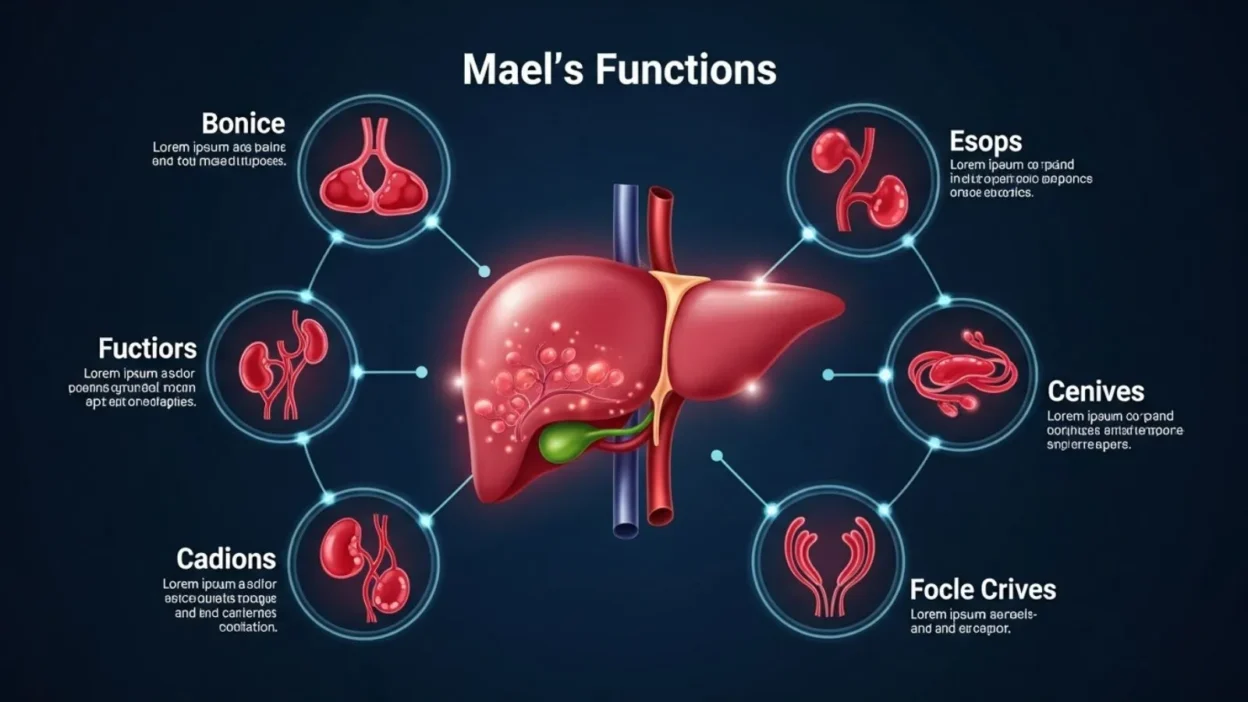
The liver performs a wide range of essential functions that keep the body healthy and functioning properly. It acts as a processing center, filter, storage unit, and protector—all at the same time. In fact, the liver is involved in more than 500 vital tasks, making it one of the most important organs in the body.
One of the liver’s primary roles is detoxification. Every day, it filters harmful substances such as alcohol, drugs, chemicals, and waste products from the blood. These toxins are broken down into safer compounds that can be eliminated through urine or bile. Without this function, harmful substances would quickly build up and damage the body.
The liver also plays a key role in metabolism. It helps convert the food you eat into energy and nutrients your body can use. Carbohydrates are turned into glucose and stored as glycogen, fats are processed for energy, and proteins are broken down into amino acids. This process helps maintain stable blood sugar levels throughout the day.
Another major function of the liver is bile production. Bile is a digestive fluid that helps break down fats in the small intestine, allowing your body to absorb fat-soluble vitamins like A, D, E, and K. In addition, the liver stores essential vitamins, minerals, and iron for future use.
Beyond digestion and metabolism, the liver supports the immune system by removing bacteria and toxins from the blood. It also helps regulate blood clotting and hormone levels. Together, these functions show why the liver is essential for overall health and survival.
Major Functions of the Liver Explained
The liver carries out many complex tasks that are essential for keeping the body balanced and healthy. One of its most important functions is detoxification. As blood flows through the liver, harmful substances such as alcohol, medications, and environmental toxins are broken down into less harmful compounds. These substances are then removed from the body through urine or bile, helping prevent damage to other organs.
Another key function of the liver is nutrient metabolism. After you eat, nutrients from the digestive system travel directly to the liver. The liver processes carbohydrates by converting them into glucose and storing excess amounts as glycogen for later energy needs. It also helps break down fats into usable forms and processes proteins into amino acids, which are necessary for tissue repair and growth.
The liver also produces bile, a greenish-yellow fluid that plays a crucial role in digestion. Bile helps break down fats in the small intestine, making it easier for the body to absorb fat-soluble vitamins such as vitamins A, D, E, and K. Without enough bile, digestion and nutrient absorption would be severely impaired.
In addition to digestion and detoxification, the liver serves as a storage center. It stores essential vitamins, iron, and minerals that the body can access when needed. The liver also helps regulate blood clotting by producing proteins that prevent excessive bleeding.
Lastly, the liver supports the immune system by filtering bacteria and other harmful microorganisms from the blood. These combined functions highlight why the liver is vital for everyday health and long-term survival.
How the Liver Works With Other Organs
The liver does not work alone. It closely cooperates with several other organs to keep the body functioning smoothly, especially when it comes to digestion, metabolism, and detoxification. This teamwork is essential for maintaining overall health.
One of the liver’s closest partners is the digestive system. After you eat, nutrients from the intestines are absorbed into the bloodstream and sent directly to the liver through the portal vein. The liver then processes these nutrients, deciding what should be used immediately for energy, stored for later, or converted into other substances the body needs. This process helps regulate blood sugar levels and ensures the body gets a steady supply of fuel.
The liver also works closely with the gallbladder. The liver produces bile, which is stored in the gallbladder until it is needed. When you eat fatty foods, the gallbladder releases bile into the small intestine to help break down fats and improve digestion. Without this cooperation, fat digestion would be inefficient.
Another important relationship is between the liver and the pancreas. While the pancreas produces enzymes and insulin to regulate blood sugar, the liver stores and releases glucose as needed. Together, they help maintain stable blood sugar levels throughout the day.
The liver also supports the kidneys by filtering toxins and waste products from the blood before they reach the kidneys for final removal. In addition, it works with the immune system to remove bacteria and harmful substances from circulation. These connections show how central the liver is to nearly every major bodily function.
Why the Liver Is So Important
The liver is one of the most important organs in the human body because it supports many functions that are essential for survival. Unlike some organs that perform a limited number of tasks, the liver is involved in digestion, metabolism, detoxification, blood regulation, and immune defense. If the liver stops working properly, many other systems in the body are quickly affected.
One major reason the liver is so important is its role in filtering the blood. Everything you eat, drink, or absorb eventually passes through the liver. It removes harmful toxins, breaks down drugs and alcohol, and converts waste products into forms that the body can safely eliminate. Without this filtering process, toxins would build up in the bloodstream and cause serious damage.
The liver is also crucial for energy balance. It stores glucose as glycogen and releases it when blood sugar levels drop. This helps prevent dangerous highs and lows in blood sugar, especially between meals or during physical activity. In addition, the liver produces proteins that are essential for blood clotting, helping the body stop bleeding after injuries.
Another key reason the liver is so vital is its support of the immune system. It removes bacteria and viruses from the blood and helps the body respond to infections. When liver function is compromised, the immune system becomes weaker, increasing the risk of illness.
Because the liver affects so many bodily processes, liver damage can lead to serious health problems, including fatigue, digestive issues, bleeding disorders, and organ failure. This is why maintaining liver health is critical for overall well-being and long-term survival.
Can the Liver Regenerate?
One of the most remarkable features of the liver is its ability to regenerate. Unlike most organs in the body, the liver can regrow damaged or lost tissue, making it incredibly resilient. This unique capability allows people to recover from certain liver injuries and even donate a portion of their liver for transplantation.
Liver regeneration occurs when healthy liver cells, called hepatocytes, begin to multiply and replace damaged tissue. Even if up to 70% of the liver is removed or damaged, it can often regrow to its original size. However, regeneration does not mean the liver is invincible. Continuous damage from alcohol, drugs, fatty liver disease, or viral infections can overwhelm the liver’s ability to heal, leading to permanent scarring or cirrhosis.
Regeneration is most effective when the liver is supported by a healthy lifestyle. Adequate nutrition, regular exercise, avoiding excessive alcohol, and controlling body weight all help the liver recover. In some cases, medical intervention may be needed to assist regeneration, especially after surgery or injury.
It’s also important to note that while the liver can regrow in size, the function of newly regenerated tissue may be impaired if the underlying cause of damage isn’t addressed. For example, someone with chronic hepatitis may regrow liver tissue, but the new cells may not function optimally if the infection continues.
This remarkable regenerative ability highlights the liver’s resilience, but it also underscores the importance of protecting it from repeated damage. Taking care of your liver can ensure it continues to perform its critical functions for years to come.
Signs Your Liver Isn’t Working Properly
Because the liver has very few pain receptors, problems often develop silently. Many people don’t realize there’s an issue until the damage is advanced. Recognizing early warning signs is critical for maintaining liver health and preventing serious complications.
One of the most common indicators of liver trouble is fatigue and weakness. Since the liver plays a central role in energy metabolism, a struggling liver can leave you feeling unusually tired even after rest. Digestive problems are another sign. This may include bloating, nausea, or loss of appetite, as the liver struggles to produce bile and process nutrients efficiently.
Changes in skin and eyes can also signal liver issues. Yellowing of the skin or eyes, known as jaundice, occurs when the liver cannot properly filter bilirubin, a byproduct of red blood cell breakdown. Swelling in the abdomen or legs may occur due to fluid retention, a condition linked to impaired liver function. Dark urine and pale stools are additional warning signs that the liver is not processing waste correctly.
Other subtle signs include easy bruising or bleeding, caused by the liver’s reduced ability to produce blood-clotting proteins, and chronic itching, which can result from bile salt buildup in the skin. Emotional changes, such as mood swings or confusion, can appear in advanced liver disease due to the buildup of toxins affecting the brain.
If you notice any of these symptoms, it’s important to consult a healthcare professional promptly. Early detection and intervention can prevent further liver damage and support recovery.
Common Causes of Liver Problems
Liver problems can develop for many reasons, ranging from lifestyle choices to infections and genetic conditions. Understanding the most common causes can help you protect this vital organ and maintain overall health.
One of the leading causes of liver damage is fatty liver disease, which occurs when excess fat builds up in liver cells. This condition is often linked to obesity, poor diet, and lack of exercise, and it can progress to inflammation, scarring, and even cirrhosis if left untreated. Alcohol abuse is another major contributor to liver problems. Excessive alcohol consumption over time overwhelms the liver’s ability to process toxins, leading to alcoholic liver disease.
Viral infections, such as hepatitis A, B, and C, also pose a significant threat. These viruses attack liver cells, causing inflammation, long-term damage, and in some cases, liver failure. Certain medications and toxins can harm the liver when taken in large amounts or over a long period. Painkillers, antibiotics, and some herbal supplements are examples of substances that may have liver-related side effects.
Other factors include genetic conditions, such as hemochromatosis, which causes iron buildup in the liver, and autoimmune liver diseases, where the body’s immune system attacks liver cells. Chronic health problems like diabetes and high cholesterol can also increase the risk of liver disease.
Many liver problems develop slowly and silently, making prevention and regular check-ups crucial. Maintaining a healthy lifestyle, limiting alcohol, avoiding harmful substances, and monitoring underlying health conditions are key steps in keeping your liver functioning optimally.
Liver Diseases You Should Know About
The liver can be affected by a variety of diseases, ranging from mild conditions to life-threatening illnesses. Understanding these diseases can help you recognize risks and take preventive steps.
One of the most common liver conditions is fatty liver disease, which occurs when fat accumulates in liver cells. It can be caused by obesity, poor diet, or alcohol consumption. Fatty liver disease is often silent, but if left untreated, it may progress to non-alcoholic steatohepatitis (NASH), causing inflammation, scarring, and even cirrhosis.
Hepatitis is another significant liver disease, caused by viral infections such as hepatitis A, B, or C. These viruses attack liver cells, leading to inflammation. Chronic hepatitis B or C infections can result in long-term liver damage, cirrhosis, or liver cancer if not properly managed.
Cirrhosis is a serious condition in which healthy liver tissue is replaced by scar tissue, impairing liver function. It is often caused by chronic alcohol abuse, viral hepatitis, or long-term liver diseases. Cirrhosis can lead to complications such as fluid buildup in the abdomen, bleeding disorders, and liver failure.
Liver cancer is another serious disease, usually developing after long-term liver damage or cirrhosis. Early detection is crucial for effective treatment. Less common but important conditions include autoimmune liver diseases, where the immune system attacks liver cells, and genetic disorders like hemochromatosis, which causes excessive iron buildup.
Recognizing these liver diseases early and maintaining a healthy lifestyle can prevent serious complications. Regular check-ups, proper diet, and avoiding alcohol and harmful substances are key to keeping the liver healthy.
How to Keep Your Liver Healthy
Maintaining a healthy liver is essential for overall well-being, as this organ plays a central role in digestion, detoxification, metabolism, and immunity. Fortunately, there are many practical steps you can take to support liver function and prevent damage.
1. Eat a balanced diet:
Consuming plenty of fruits, vegetables, whole grains, and lean proteins provides essential nutrients that support liver health. Foods rich in antioxidants, such as berries and leafy greens, help protect liver cells from damage caused by toxins and free radicals.
2. Limit alcohol consumption:
Excessive alcohol intake is a leading cause of liver disease, including fatty liver, hepatitis, and cirrhosis. Drinking in moderation or abstaining entirely reduces the risk of liver damage.
3. Maintain a healthy weight:
Obesity and excess body fat can contribute to fatty liver disease. Regular exercise combined with a balanced diet helps maintain a healthy weight and supports proper liver metabolism.
4. Avoid harmful substances:
Certain medications, over-the-counter painkillers, and herbal supplements can harm the liver if taken in excess. Always follow recommended dosages and consult a healthcare professional before starting new medications.
5. Stay hydrated and exercise:
Drinking enough water helps flush toxins from the body, while regular physical activity improves overall metabolic function and reduces fat buildup in the liver.
6. Get vaccinated:
Vaccines for hepatitis A and B can protect the liver from viral infections.
Myths and Facts About the Liver
Many myths and misconceptions about the liver circulate online and in everyday conversation. Understanding the facts can help you take better care of this vital organ and avoid unnecessary risks.
Myth 1: You can detox your liver with special cleanses or supplements.
Fact:
The liver naturally detoxifies your body every day. Most “liver cleanses” or detox drinks have little scientific evidence to support their effectiveness. In fact, some supplements can even harm the liver if taken in excess.
Myth 2: Only alcohol damages the liver.
Fact:
While excessive alcohol is a leading cause of liver disease, other factors such as fatty liver disease, viral infections, medications, obesity, and poor diet can also damage the liver. Alcohol is not the only culprit.
Myth 3: The liver causes pain when it’s sick.
Fact:
The liver has very few pain receptors. Liver problems often develop silently, and pain is usually a late symptom. Fatigue, nausea, jaundice, or digestive problems are more common early warning signs.
Myth 4: You can live without a liver.
Fact:
Humans cannot survive without a functioning liver. It performs critical tasks like detoxification, nutrient storage, and bile production. However, liver transplants or partial liver donation are possible because the liver can regenerate.
Myth 5: Liver disease only affects older adults.
Fact:
Liver problems can occur at any age, including children and young adults, especially due to infections, genetic conditions, or lifestyle factors.
Liver Tests and Diagnosis
Regular liver check-ups are important for detecting problems early, especially since many liver conditions develop silently. Medical professionals use a variety of liver function tests (LFTs) and diagnostic tools to evaluate how well the liver is working.
Blood tests are the most common way to assess liver health. Liver function tests measure levels of enzymes, proteins, and bilirubin in the blood. Elevated liver enzymes, such as ALT (alanine aminotransferase) and AST (aspartate aminotransferase), can indicate inflammation or liver cell damage. High bilirubin levels may cause jaundice and suggest that the liver is not processing waste properly. Additionally, doctors may check albumin and clotting factors to assess the liver’s protein-producing capabilities.
In some cases, imaging tests like ultrasound, CT scans, or MRI are used to examine the liver’s size, structure, and presence of abnormalities such as tumors, cysts, or fatty deposits. These scans can provide a detailed view of the organ without invasive procedures.
For more precise evaluation, a liver biopsy may be performed, in which a small tissue sample is removed and examined under a microscope. This test helps identify liver diseases like cirrhosis, hepatitis, or fatty liver disease and determines the extent of damage.
It’s important to have routine liver tests if you have risk factors such as heavy alcohol use, obesity, diabetes, or a family history of liver disease. Early detection allows for timely treatment, lifestyle adjustments, and better long-term liver health.
Frequently Asked Questions About the Liver
1. What does the liver do every day?
The liver performs hundreds of vital tasks daily. It filters toxins from the blood, processes nutrients, produces bile for digestion, stores essential vitamins and minerals, regulates blood sugar, and supports the immune system. Essentially, it keeps the body functioning smoothly and efficiently.
2. Can you live without a liver?
No. The liver is essential for survival. It performs critical functions like detoxification, nutrient storage, and bile production. However, the liver can regenerate, which allows partial liver transplants or donations.
3. How long does it take for the liver to heal?
The liver can start to repair itself within weeks after damage, depending on the severity and cause. Mild damage, such as fatty liver from diet, may improve in a few months with lifestyle changes. Chronic damage from alcohol or hepatitis may take longer and might not fully reverse.
4. What foods are good for liver health?
Fruits, vegetables, whole grains, lean proteins, and healthy fats support liver function. Foods rich in antioxidants, like berries and leafy greens, help protect liver cells from damage. Limiting alcohol, sugar, and processed foods also reduces strain on the liver.
5. What are the early signs of liver problems?
Early signs can include fatigue, nausea, loss of appetite, digestive issues, and mild jaundice. Advanced problems may cause swelling, dark urine, pale stools, and easy bruising. Regular check-ups can help detect issues before they become serious.
Conclusion:
The liver is truly one of the most important organs in the human body. It performs hundreds of vital functions, from filtering toxins and processing nutrients to producing bile, storing essential vitamins, regulating blood sugar, and supporting the immune system.
Without a healthy liver, these processes would fail, leading to serious health problems and, in severe cases, life threatening conditions.
One of the most remarkable aspects of the liver is its ability to regenerate. Even when a portion of it is damaged or removed, the liver can grow back and restore its functions, provided it is protected from ongoing harm. This resilience highlights the liver’s vital role but also emphasizes the need for proper care.
Maintaining liver health requires a combination of healthy lifestyle choices and regular medical check ups.
Eating a balanced diet, staying physically active, limiting alcohol, avoiding harmful substances, and getting vaccinated against hepatitis can significantly reduce the risk of liver disease.
Being aware of early warning signs, such as fatigue, digestive issues, or jaundice, allows for timely intervention and prevents long term damage.
In addition, understanding common myths and facts about the liver ensures you make informed decisions about your health. There is no shortcut or magic cleanse that can replace proper care and prevention.
In short, your liver is a multitasking powerhouse that deserves attention and protection. By prioritizing liver health, you not only support this vital organ but also enhance your overall well being and quality of life. A healthy liver truly is the foundation of a healthy body.
Discover More Articles:
- What Does the Cytoplasm Do? Key Functions Explained
- What Does Potassium Do in the Body? Functions You Should Know
- What Does Your Thyroid Do? Discover Its Vital Role