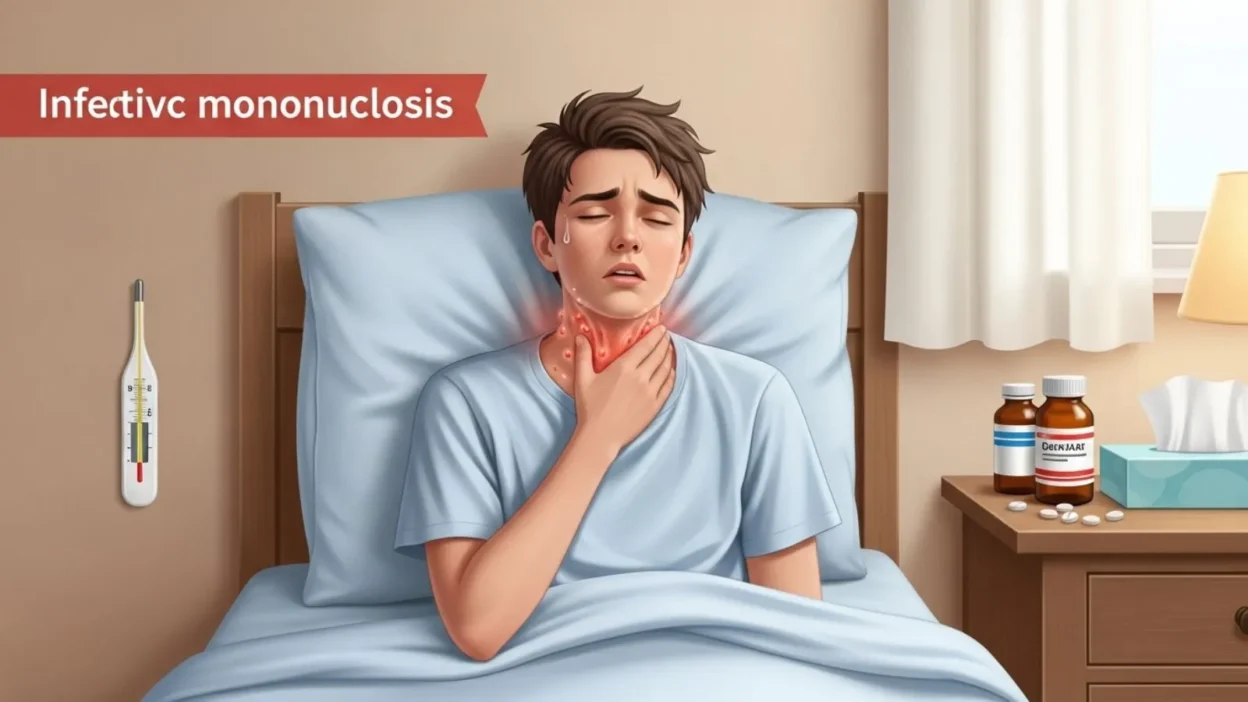
What does mono look like? This is a common question for people who suddenly feel extreme fatigue, develop a painful sore throat, or notice swollen glands in their neck.
Mono, medically known as infectious mononucleosis, is a viral infection most often caused by the Epstein-Barr virus.
Because its symptoms can resemble the flu, strep throat, or even COVID-19, many people struggle to recognize it at first.
Visually, mono doesn’t show up as one single sign. Instead, it appears through a combination of physical changes such as white patches on the tonsils, swollen lymph nodes, puffy eyes, skin rashes, and an overall tired or unwell appearance.
These symptoms can vary from person to person and often change as the illness progresses.
In this guide, we’ll break down exactly what mono looks like at each stage, how it appears on different parts of the body, and how to tell it apart from similar illnesses, so you know when it’s time to see a doctor.
What Is Mono (Infectious Mononucleosis)?
Mono, short for infectious mononucleosis, is a viral illness most commonly caused by the Epstein-Barr virus (EBV). It’s often called the “kissing disease” because it spreads through saliva, but kissing isn’t the only way to catch it. Sharing drinks, utensils, toothbrushes, or being exposed to coughs and sneezes can also transmit the virus.
Once EBV enters the body, it targets white blood cells and the immune system, which explains why mono often causes extreme fatigue and prolonged illness. After exposure, symptoms usually appear within four to six weeks, making it hard for many people to pinpoint exactly when they were infected. Some individuals may carry the virus without noticeable symptoms, while others develop clear physical signs that affect the throat, skin, face, and lymph nodes.
Mono is most common in teenagers and young adults, especially students and people living in close-contact environments. Children can also get mono, but their symptoms are usually milder or may go unnoticed. Adults who didn’t contract EBV earlier in life may experience stronger and more visible symptoms.
Although mono is rarely dangerous, it can look and feel intense. Swollen tonsils, enlarged lymph nodes, fever, and exhaustion are hallmark features. In some cases, the spleen becomes enlarged, which is why doctors often advise avoiding sports during recovery. Understanding what mono is helps explain why its appearance changes over time and why proper rest and diagnosis are so important.
What Does Mono Look Like at First?
In its early stages, mono can be difficult to recognize because the symptoms often appear mild and look similar to common viral illnesses. Many people don’t immediately realize they have mono and assume they’re dealing with a cold, flu, or seasonal infection. During this phase, the physical signs are subtle but still noticeable if you know what to look for.
One of the first visible signs of mono is an overall tired or run-down appearance. People may look unusually fatigued, with pale skin, dark circles under the eyes, and low energy levels. A mild fever may develop, often accompanied by chills or body aches. The throat may feel slightly sore or scratchy at first, without the severe pain seen in later stages.
Another early sign is the gradual swelling of lymph nodes, especially in the neck. These glands may feel tender when touched and can become visibly enlarged over a few days. Some people also notice headaches, loss of appetite, or a general feeling of weakness. At this stage, the symptoms may come and go, which can be misleading and delay diagnosis.
Because early mono doesn’t always look serious, many people continue their daily activities, which can worsen fatigue and slow recovery. Paying attention to these initial changes is important, as early rest and medical evaluation can help prevent complications. As mono progresses, the symptoms become more intense and more visually obvious, especially in the throat and lymph nodes.
What Does Mono Look Like in the Throat?
One of the most noticeable and uncomfortable signs of mono appears in the throat. As the infection progresses, the throat often becomes red, swollen, and very painful, making swallowing difficult. This is one of the main reasons people start searching for what mono looks like, as the throat symptoms can look severe and alarming.
The tonsils are commonly affected and may become enlarged, sometimes touching each other. White, gray, or yellowish patches often form on the tonsils, which can easily be mistaken for strep throat. However, unlike strep, mono throat symptoms are usually accompanied by extreme fatigue and swollen lymph nodes rather than sudden sharp throat pain alone.
In some cases, the throat may look inflamed with visible redness extending toward the back of the mouth. Bad breath is also common due to bacterial buildup around the swollen tonsils. As swelling increases, some people experience a muffled or nasal-sounding voice.
Another key feature of mono in the throat is how long it lasts. While a regular sore throat may improve within a few days, mono-related throat symptoms can persist for one to two weeks or longer. Drinking fluids, resting the voice, and using doctor-recommended pain relief can help manage discomfort, but antibiotics are not effective unless a secondary bacterial infection is present.
Because mono throat symptoms can become severe, it’s important to seek medical care if swallowing becomes extremely painful or breathing feels restricted. Understanding how mono looks in the throat helps differentiate it from other infections and prevents unnecessary antibiotic use.
What Does Mono Look Like on the Body?
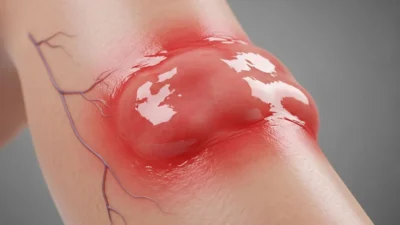
Mono doesn’t only affect the throat—it can also produce visible changes throughout the body. One of the most common signs is swollen lymph nodes, which appear as tender lumps under the jaw, in the neck, armpits, or even the groin. These nodes may feel firm and sensitive to touch, and in some cases, they become noticeably large enough to alter the contour of the neck or jawline. This swelling is a hallmark visual symptom of mono.
Another visible effect of mono is fatigue-related appearance. People with mono often look unusually tired or drained, with pale or sallow skin, drooping eyelids, and dark circles under the eyes. Their posture may appear slumped, and energy levels are generally very low, which can make someone look more unwell than they feel physically sick at first.
In some cases, facial puffiness may occur, particularly around the eyes or cheeks. This swelling is usually mild but can make the face appear slightly rounded or bloated. Less commonly, mono may cause mild skin rashes, which are usually flat, red, or blotchy and can appear on the torso or limbs. These rashes are often mistaken for allergic reactions or other viral infections.
The spleen and liver can also enlarge during mono. While these changes are internal, in some people, abdominal bloating or tenderness may be visible. Medical evaluation is crucial because an enlarged spleen is fragile, and physical activity may need to be restricted.
Recognizing how mono affects the body visually, alongside fatigue and throat symptoms, can help people identify the illness early and avoid spreading it to others while seeking proper care.
Mono Rash What It Looks Like and Why It Appears
One of the more noticeable visual signs of mono is a rash, though not everyone with mono develops one. The rash typically appears as flat or slightly raised red spots that can be blotchy or spread across the torso, arms, or legs. In some cases, the rash may resemble small hives or a mild measles-like pattern, though it usually doesn’t itch as intensely as an allergic reaction.
A common reason the rash develops is the body’s immune response to the Epstein-Barr virus. However, one of the most well-known triggers occurs when antibiotics, particularly amoxicillin or ampicillin, are taken to treat mono mistakenly diagnosed as strep throat. In these cases, the rash can be more pronounced, appearing within days of starting the antibiotic.
The appearance of the rash can vary depending on the individual. In lighter skin tones, it may look like pale pink or red blotches, while in darker skin tones, it can appear slightly darker or reddish-brown. Typically, the rash isn’t painful, though it can sometimes be mildly tender to the touch.
The mono rash usually lasts a few days to a week and fades on its own without special treatment. It’s important to note that while the rash may look concerning, it generally isn’t dangerous. Medical advice is recommended if the rash is accompanied by high fever, severe swelling, or signs of liver involvement, such as yellowing of the skin or eyes.
Understanding the mono rash helps distinguish it from other viral rashes and confirms the need for proper diagnosis rather than self-treatment.
What Does Mono Look Like on the Face and Eyes?
Mono can noticeably affect the face and eyes, giving a distinct “tired” or unwell appearance. One of the most common visual signs is puffy or swollen eyelids. This puffiness is usually mild but can make the eyes appear smaller or more closed than usual. It is caused by inflammation and fluid retention associated with the body’s immune response to the virus.
In addition to eyelid swelling, dark circles under the eyes are often visible. Unlike typical fatigue-related dark circles, those caused by mono may persist longer and appear alongside other symptoms such as pale skin, low energy, and overall facial fatigue. These changes can make a person look noticeably exhausted, even if they are trying to rest.
Some people with mono also experience facial puffiness, particularly in the cheeks or jaw area. This mild swelling can be linked to swollen lymph nodes in the neck and under the jaw. When combined with a sore throat or swollen tonsils, these facial changes contribute to a visibly sick appearance that is distinct from a common cold or flu.
Other subtle facial changes may include a paler complexion or a slightly flushed look when a mild fever is present. While these signs are not dangerous, they are often the first visual cues that someone may be dealing with mono, especially when accompanied by fatigue, throat pain, or swollen lymph nodes.
Recognizing these facial and eye changes is helpful for early identification of mono and can guide individuals to seek medical care or rest before the infection worsens.
What Does Mono Look Like in Teens vs Adults?
Mono can appear differently depending on a person’s age, and understanding these differences helps in recognizing the infection early. Teens and young adults are the most commonly affected group, and their symptoms are often more visible and intense compared to children. In teenagers, mono typically presents with severe fatigue, puffy eyelids, swollen neck glands, and a reddish or blotchy rash. Their sore throat is usually pronounced, with white or gray patches on the tonsils, making it one of the clearest visual indicators of mono.
In contrast, children often experience milder or even unnoticed symptoms. They may only show slight tiredness, a mild sore throat, or temporary low-grade fever, which means mono in kids can go undetected. Because the visual signs are subtle, parents may only notice the illness through behavioral changes, such as irritability or decreased activity, rather than obvious physical symptoms.
Gentleman who didn’t contract EBV earlier in life may have symptoms that are stronger and more prolonged. Adults often experience more severe fatigue, enlarged lymph nodes, and intense throat pain, along with visible facial puffiness and dark under-eye circles. Adults are also more likely to experience liver or spleen enlargement, which can cause slight abdominal swelling or discomfort.
Overall, the intensity of visual and physical symptoms of mono generally increases with age, which means that while teens and adults may show obvious signs of illness, children often present with mild or subtle changes. Recognizing these age-specific differences is important for early detection, proper care, and preventing the spread of the virus.
What Does Severe Mono Look Like?
While most cases of mono are mild to moderate, some individuals develop severe symptoms that are visually striking and can require medical attention. Severe mono usually presents with extreme fatigue that makes even simple daily activities difficult. People may appear drained, pale, and unusually weak, often needing to lie down for most of the day. Dark circles under the eyes and puffiness of the face can become more pronounced, giving a distinctly ill appearance.
The throat is another area where severe mono is obvious. Tonsils may swell dramatically, sometimes almost touching each other, and are covered with thick white or gray patches. Swallowing becomes painful and difficult, and speaking may be affected. Swollen lymph nodes throughout the neck, underarms, and groin become larger and more tender, sometimes visibly altering the shape of the neck and jawline.
In severe cases, the spleen and liver may enlarge, which can cause noticeable abdominal bloating or tenderness. Facial puffiness and a flushed complexion may appear due to fever and inflammation. Some people may also develop a pronounced red or blotchy rash, especially if antibiotics were mistakenly taken.
Other visual cues of severe mono include slowed movement, drooping posture, and general exhaustion. Because these signs indicate a heavier viral load or prolonged immune response, medical evaluation is essential, particularly if breathing, swallowing, or abdominal discomfort becomes severe. Recognizing severe mono not only helps in early treatment but also prevents complications like spleen rupture or prolonged illness.
Mono Symptom Timeline How It Changes Over Time
Week 1 (Early Stage):
During the first few days after infection, symptoms are usually mild. Fatigue may appear first, along with a slight sore throat, low-grade fever, and mild swelling of the neck lymph nodes. Because these signs resemble a common cold or flu, mono is often overlooked at this stage.
Week 2–3 (Peak Stage):
By the second week, the classic visual signs of mono become more noticeable. The throat may become red and inflamed, with white or gray patches on the tonsils. Lymph nodes in the neck, armpits, and groin often swell noticeably, sometimes causing visible lumps. Fatigue intensifies, and facial puffiness or dark under-eye circles may appear. In some cases, a red or blotchy rash develops, particularly if antibiotics were mistakenly taken.
Week 4–6 (Recovery Stage):
Symptoms start to gradually improve during this period, though fatigue often lingers. Swelling of the throat and lymph nodes decreases, and the rash typically fades. Some individuals may still appear tired or pale, but visible signs of illness become less pronounced.
Beyond Six Weeks:
While most mono symptoms resolve within a month or two, some people experience lingering fatigue for several more weeks. During this time, the face may still look slightly puffy, and mild weakness can persist, even though the throat and lymph nodes appear normal.
Mono vs Other Illnesses How They Look Different
Mono can easily be confused with other common illnesses because several symptoms overlap, such as sore throat, fever, and fatigue. However, there are distinct visual differences that can help identify mono.
Mono vs Strep Throat:
Both illnesses can cause a red, inflamed throat with white patches on the tonsils. The key difference is that mono often comes with pronounced fatigue, swollen lymph nodes in multiple areas, facial puffiness, and sometimes a skin rash. Strep throat usually appears suddenly with intense throat pain but doesn’t cause long-lasting fatigue or swollen eyelids.
Mono vs Flu:
Influenza often develops rapidly with high fever, body aches, and chills. While flu can make someone look unwell, mono tends to cause longer-lasting fatigue, visible lymph node swelling, and throat patches. Flu symptoms usually improve within a week, whereas mono symptoms persist for weeks.
Mono vs COVID-19:
COVID-19 can cause fatigue, sore throat, fever, and sometimes a rash. However, COVID-19 often comes with respiratory symptoms such as cough, shortness of breath, and loss of taste or smell, which are rare in mono. Mono is more likely to produce visible swelling of the lymph nodes and facial puffiness.
Mono vs Tonsillitis:
Both involve red, inflamed tonsils. Mono’s distinguishing features are white or gray tonsil patches, swollen lymph nodes throughout the body, prolonged fatigue, and sometimes a rash. Tonsillitis without mono usually resolves faster and is often bacterial.
FAQs About Mono
1. What does mild mono look like?
Mild mono may cause only slight fatigue, a mildly sore throat, or barely noticeable swollen lymph nodes. Often, children and some adults with mild mono show very subtle visual symptoms, making the infection easy to miss.
2. Does mono always cause a rash?
No, not everyone with mono develops a rash. When it does occur, it usually appears as flat or slightly raised red or blotchy spots on the torso, arms, or legs. A rash is more common if certain antibiotics like amoxicillin are taken during the infection.
3. Can mono look like allergies?
Yes, early mono can be mistaken for allergies due to mild fatigue, puffy eyes, and nasal congestion. However, mono also causes additional visual signs, like white throat patches, swollen lymph nodes, and prolonged fatigue, which are not typical of allergies.
4. Can mono appear without fever?
Yes, some people, especially children, may carry mono with minimal or no fever. Other visual signs like swollen glands, tired appearance, or sore throat may still be present.
5. Is mono contagious by appearance?
No, you cannot catch mono simply by seeing someone who looks sick. Mono spreads through saliva, close contact, or sharing items, not through visual exposure.
6. How long does it take for mono to look better?
Visible symptoms like throat inflammation, lymph node swelling, and rash usually start improving within 2–4 weeks, though fatigue and mild facial puffiness can last several more weeks.
Conclusion:
Mono can present with a wide range of visible signs, from mild fatigue and subtle swollen glands to pronounced throat inflammation, facial puffiness, and rashes.
While symptoms vary by age and severity, common visual cues include white or gray patches on the tonsils, enlarged lymph nodes, dark circles under the eyes, and a generally tired appearance.
Recognizing these signs early can help individuals rest appropriately, prevent the spread of the virus, and seek medical care when necessary.
It’s important to remember that mono may look different in children, teens, and adults, and not every person will show all symptoms.
Severe cases can affect internal organs like the spleen and liver, making monitoring crucial.
By understanding how mono appears at different stages and comparing it with similar illnesses such as strep throat, flu, or COVID-19, you can better identify the infection and manage it safely.
Rest, hydration, and medical guidance are key to recovery, and paying attention to these visual and physical changes ensures you know when it’s time to consult a healthcare professional.

The author behind RiddleBurst.com loves creating fun, clever, and unique riddles for all ages. Their goal is to challenge minds, bring smiles, and make learning through riddles both engaging and enjoyable.