Watermelon Sugar isn’t just a catchy summer anthem it’s a phrase that has left fans curious and intrigued.
Released by Harry Styles in 2019 as part of his Fine Line album, the song quickly became a cultural phenomenon, topping charts and inspiring viral trends.
But beyond the upbeat melody and sun soaked vibe, many listeners wonder: what does watermelon sugar really mean? Is it simply about sweetness and summer fun, or is there a deeper, metaphorical message?
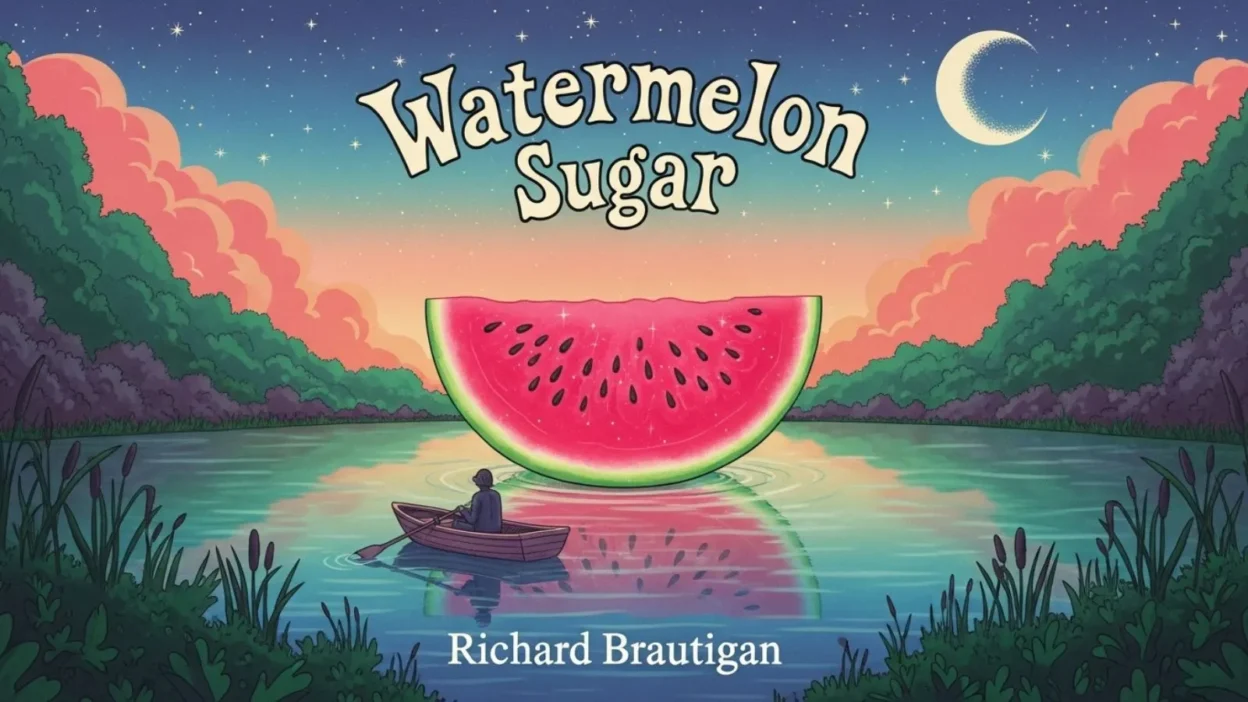
The term actually has roots in literature, drawing inspiration from Richard Brautigan’s 1968 novel In Watermelon Sugar, while Styles’ playful interpretation adds a modern twist of joy, love, and intimacy.
In this article, we’ll explore the origins, symbolic meanings, Harry Styles’ perspective, and the cultural impact of watermelon sugar, helping you understand why this phrase resonates with so many and has become synonymous with carefree summer bliss.
The Origin of Watermelon Sugar
The phrase “Watermelon Sugar” has an intriguing origin that stretches back long before Harry Styles turned it into a pop hit. Its earliest known appearance is in Richard Brautigan’s 1968 novel, In Watermelon Sugar, a surreal work of American literature. Brautigan’s book describes a strange, idyllic world made of watermelon sugar, blending whimsy, nostalgia, and a subtle commentary on human emotions. While the novel is abstract and open to interpretation, it evokes a sense of sweetness, pleasure, and dreamlike simplicity—qualities that resonate with the playful energy of Styles’ song decades later.
When Harry Styles wrote Watermelon Sugar, he adapted the phrase into a musical context that emphasizes joy, warmth, and summer vibes. While Brautigan’s original work is more literary and metaphorical, Styles transforms the idea into a sensory experience: the taste, the touch, and the feeling of fleeting happiness. This clever adaptation shows how a literary phrase can evolve into a cultural phenomenon, carrying forward its symbolic meaning while creating something entirely new.
The connection between the novel and the song demonstrates how art can transcend mediums, from literature to music, and from metaphor to pop culture. By borrowing this evocative phrase, Styles taps into a nostalgic and whimsical imagery that is both familiar and fresh, creating a term that fans continue to interpret and enjoy in diverse ways.
Literal Meaning vs. Symbolic Meaning
At first glance, “watermelon sugar” might seem simple—a sweet, fruity image that evokes summer fun. Literally, it brings to mind the juicy, refreshing taste of watermelon, a fruit synonymous with warm, carefree days. The bright imagery of watermelon and its natural sweetness creates a sensory association with pleasure, indulgence, and joy. For many listeners, the literal interpretation of the phrase is enough to spark feelings of nostalgia, summer parties, and lighthearted happiness.
However, the phrase also carries a rich symbolic meaning that extends beyond fruit. In Harry Styles’ song, “watermelon sugar” is often interpreted as a metaphor for love, intimacy, and fleeting pleasure. Fans and critics alike have suggested it represents moments of sensuality, summer romance, or the simple joy of being present in the moment. This duality—literal sweetness and metaphorical depth—is what makes the term so intriguing.
By blending literal and symbolic meanings, Styles crafts a song that is both playful and emotionally resonant. The literal imagery draws listeners in, while the symbolic layer allows each person to form a personal connection. Whether you see it as a celebration of summer, a metaphor for romance, or simply a catchy phrase, “watermelon sugar” creates a universal feeling of joy and nostalgia that has helped the song resonate worldwide.
Harry Styles Perspective
Harry Styles has often spoken about Watermelon Sugar in interviews, emphasizing that the song was meant to capture feelings of joy, fun, and the carefree energy of summer. While many fans search for a deep or hidden meaning, Styles himself has acknowledged that he intentionally left the phrase open to interpretation. This ambiguity allows listeners to connect with the song in their own personal way, whether through memories of summer romance, friendship, or simple happiness.
Styles also revealed that the song was inspired by sensory experiences—the taste, touch, and warmth associated with intimate or joyful moments. By focusing on these physical and emotional sensations, he created a track that is both playful and evocative, leaving room for metaphorical interpretation. In his perspective, “watermelon sugar” is less about a literal object and more about capturing an emotion or state of mind—a feeling of sweetness, pleasure, and nostalgia.
The artist’s choice to keep the meaning flexible contributes to the song’s universal appeal. Fans around the world interpret it differently: some see it as a metaphor for summer love, others as a celebration of indulgence, and some simply as a fun, feel-good anthem. Styles’ approach demonstrates how music can be both specific and universal, literal and symbolic. By embracing ambiguity, he allows Watermelon Sugar to remain timeless, adaptable, and resonant with diverse audiences across cultures and generations.
Cultural and Pop Impact
Watermelon Sugar quickly transcended the music charts to become a cultural phenomenon. Beyond its catchy tune, the song influenced fashion, social media trends, and even lifestyle aesthetics. On platforms like TikTok and Instagram, fans recreated the song through dances, challenges, and summer-themed content, helping it go viral and cementing its status as a summer anthem. Its upbeat, playful energy made it the perfect soundtrack for lighthearted, visually vibrant content, spreading the phrase “watermelon sugar” far beyond the song itself.
The impact also extended into fashion and pop culture. Bright, summery colors, retro-inspired outfits, and even merchandise were associated with the song, reinforcing the carefree and joyful vibe Styles aimed to capture. The term “watermelon sugar” became more than lyrics—it became a shorthand for fun, sensuality, and nostalgic summer experiences. Bars and cafes even adopted watermelon-themed drinks or desserts inspired by the song, showing how pop culture can influence lifestyle trends in unexpected ways.
Additionally, the song sparked discussions among fans and media about its meaning, further embedding it into cultural conversation. Whether interpreted as a metaphor for love, a celebration of pleasure, or simply a catchy summer anthem, Watermelon Sugar demonstrates how music can shape culture, inspire creativity, and leave a lasting imprint on social consciousness. It’s this combination of musical appeal and cultural resonance that has made the phrase a memorable symbol of joy and summertime fun.
How to Use the Term in Everyday Life
Beyond the song, “watermelon sugar” has taken on a life of its own in everyday language, pop culture, and social media. People often use the term metaphorically to describe experiences that are sweet, joyful, or fleetingly pleasurable—moments that evoke happiness similar to the carefree energy captured in Harry Styles’ song. For instance, someone might caption a summer photo with “feeling that watermelon sugar vibe” to convey warmth, fun, and lighthearted enjoyment.
The phrase is also increasingly popular in lifestyle branding and creative expression. Cafes, bars, and dessert shops have used it to name drinks, cocktails, or summer-themed treats, emphasizing indulgence and delight. Similarly, influencers and content creators incorporate “watermelon sugar” in captions, aesthetic posts, or fashion themes to evoke a playful, whimsical, and summery mood. This usage highlights how the phrase has evolved beyond lyrics to become part of cultural and social shorthand.
On a personal level, using “watermelon sugar” can add a poetic or nostalgic touch to casual conversation, social posts, or writing. It can describe a particularly sweet memory, a romantic moment, or the simple joy of summer. By adopting the phrase, people capture the essence of fleeting happiness, joy, and indulgence, making their communication feel more vivid and emotionally resonant. In this way, “watermelon sugar” transcends music to inspire creativity and connection in daily life.
FAQs About Watermelon Sugar
1. Is watermelon sugar a real thing?
Literally, no. The term isn’t a common ingredient or product. In Harry Styles’ song, it serves as a metaphor for sweetness, joy, and pleasure, blending literal and figurative meanings.
2. Did Harry Styles invent the phrase?
Not exactly. The phrase was inspired by Richard Brautigan’s 1968 novel In Watermelon Sugar. Styles adapted it for a musical context, giving it new life and meaning in modern pop culture.
3. What does it symbolize in the song?
Watermelon sugar symbolizes happiness, summer fun, intimacy, and fleeting pleasures. Listeners interpret it in different ways: some as romance, others as celebration of carefree moments or simple joy.
4. Why is the song so popular?
Its catchy melody, summery vibe, and ambiguous yet evocative lyrics make it relatable. Coupled with TikTok trends, summer playlists, and viral challenges, the song’s reach expanded beyond music to lifestyle and pop culture.
5. Can “watermelon sugar” be used outside the song?
Yes! Many use it metaphorically in social media captions, fashion, drinks, or personal conversations to evoke sweetness, nostalgia, or joy. It has become a cultural shorthand for positive, playful experiences.
6. How should I interpret it personally?
The beauty of “watermelon sugar” is its flexibility. Interpret it as a joyful memory, a summer romance, or simply a playful, feel-good phrase. Its meaning is ultimately shaped by your experience and perspective.
Conclusion:
Watermelon Sugar is more than just a catchy summer song it’s a phrase that combines literal sweetness, nostalgic imagery, and metaphorical depth.
Inspired by Richard Brautigan’s novel and transformed by Harry Styles into a musical celebration, the term captures joy, fleeting pleasure, and carefree moments.
Its playful ambiguity allows listeners to connect with it in personal ways, whether through memories of summer love, intimate moments, or simple happiness.
Beyond music, watermelon sugar has permeated pop culture, social media, fashion, and lifestyle trends, becoming a symbol of joy, indulgence, and summertime energy.
Using the phrase in everyday life through captions, descriptions, or creative expression can evoke warmth, nostalgia, and emotional resonance.
Ultimately, atermelon sugar reminds us to savor life’s sweet moments, celebrate simple pleasures, and embrace the carefree, joyous spirit that makes memories linger long after the music fades.

The author behind RiddleBurst.com loves creating fun, clever, and unique riddles for all ages. Their goal is to challenge minds, bring smiles, and make learning through riddles both engaging and enjoyable.