
Streaming has become a part of everyday life, even if many people don’t realize how often they use it. From watching movies on Netflix and YouTube to listening to music on Spotify or joining a live class online.
But what does streaming actually mean? In simple terms, streaming allows you to watch, listen to, or experience content over the internet in real time without having to download the entire file first.
Instead of waiting for a complete download and starts playing almost instantly, making it fast and convenient.
It has changed how we enjoy entertainment, learn new skills, and even communicate with others through live videos and events.
Understanding what streaming means and how it works can help you make better choices about internet usage, data consumption, and the platforms you use. In this guide, we’ll break down streaming in simple, easy-to-understand language for everyone.
What Does Streaming Mean?
Streaming means delivering digital content—such as video, music, or live broadcasts—over the internet in a continuous flow, allowing you to start watching or listening almost instantly without downloading the entire file first. When you stream something, the data is sent in small pieces and played in real time as it arrives on your device. This is why you can press “play” on a movie or song and begin enjoying it within seconds.
In simpler words, streaming is like turning on a tap rather than filling a bucket first. You don’t need to wait for the whole file to be saved on your phone, computer, or TV. As long as you have an internet connection, the content keeps playing smoothly while the remaining data continues to load in the background. This is very different from traditional downloading, where you must wait until the full file is downloaded before you can open or play it.
The term “streaming” comes from the idea of data flowing steadily, similar to a stream of water. Today, streaming is commonly used for entertainment, education, communication, and even gaming. Popular examples include watching videos on YouTube, streaming movies on Netflix, listening to music on Spotify, or watching a live event on Facebook Live.
Streaming has become so popular because it is fast, convenient, and saves storage space on devices. You don’t need to keep large files stored locally, and you can access content from almost anywhere. As long as your internet connection is stable, streaming provides instant access to a massive library of digital content, making it the preferred way people consume media online.
How Does Streaming Work?
Streaming works by sending digital content from a server to your device in small, continuous chunks of data rather than as one large file. When you click “play” on a video or song, your device connects to the streaming service’s server, which starts transmitting the content immediately. As the first pieces of data arrive, your device begins playing them while the rest continues to download in the background.
This process relies heavily on your internet connection. The data is broken into packets and delivered in sequence, allowing smooth playback as long as the connection remains stable. To prevent interruptions, streaming platforms use buffering. Buffering temporarily stores a small amount of data ahead of what you’re watching or listening to, so if your internet slows down briefly, the content can continue playing without stopping.
Modern streaming services also use adaptive streaming technology. This means the video or audio quality automatically adjusts based on your internet speed. If your connection is fast, you get higher quality, such as HD or 4K video. If it slows down, the quality is reduced slightly to avoid constant buffering.
Behind the scenes, many platforms use Content Delivery Networks (CDNs). CDNs distribute copies of content across multiple servers in different locations, so the data reaches you from the nearest server. This reduces delays and improves performance.
In simple terms, streaming works by delivering content in real time, adjusting to your internet speed, and using smart technologies to ensure smooth playback. This is why streaming feels fast, responsive, and easy to use on most modern devices.
Types of Streaming
Streaming is not limited to just one kind of content. In fact, there are several types of streaming, each designed for different purposes and user experiences. Understanding these types helps you see how streaming fits into daily digital life.
Video streaming is the most common form of streaming today. It allows users to watch movies, TV shows, and short videos online without downloading them first. Platforms like Netflix, YouTube, and Amazon Prime Video are popular examples. Video streaming can be on-demand, where you watch content anytime, or live, where events are broadcast in real time.
Music and audio streaming focuses on delivering sound-based content such as songs, podcasts, and online radio. Services like Spotify, Apple Music, and SoundCloud let users listen instantly and often create playlists without storing files on their devices. Audio streaming generally uses less data than video streaming, making it accessible even on slower internet connections.
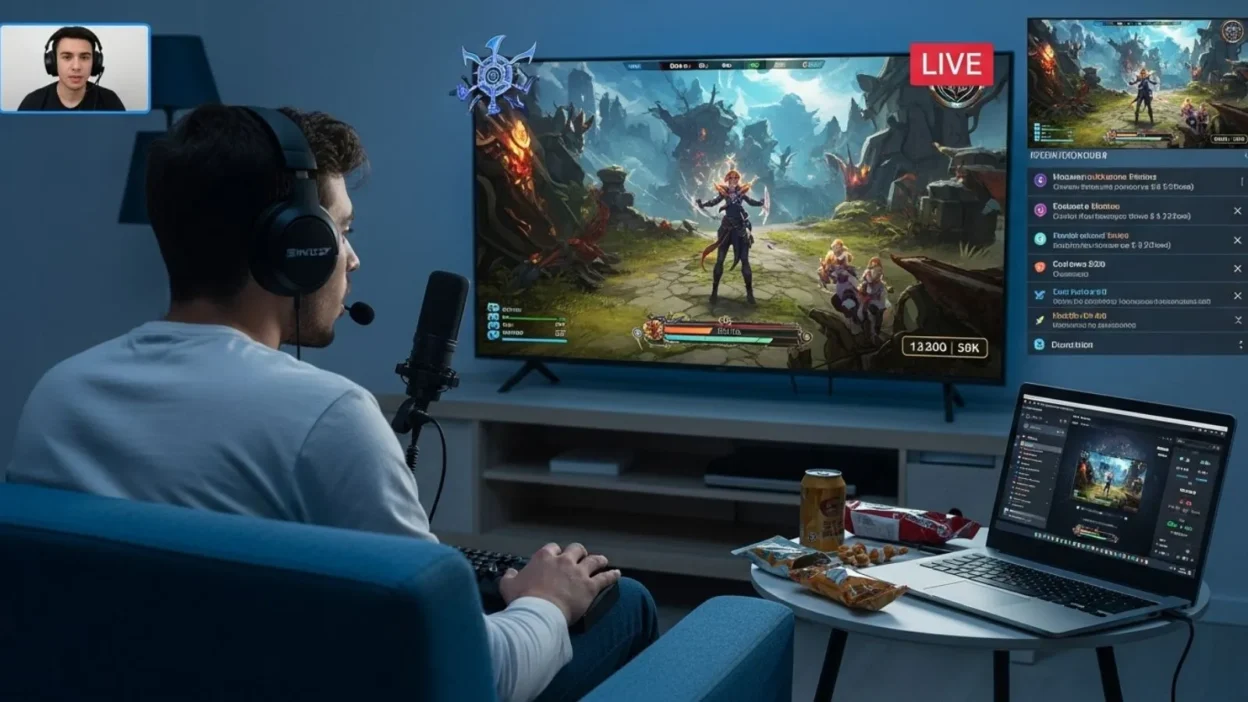
Live streaming involves broadcasting content in real time to an audience. This type of streaming is widely used for gaming, live sports, news, webinars, and social media events. Platforms such as Twitch, YouTube Live, and Facebook Live allow viewers to interact through comments and reactions while the stream is happening.
Game streaming comes in two forms: watching gameplay and cloud gaming. Watching gameplay is popular on platforms like Twitch, while cloud gaming allows users to play games streamed from remote servers without needing powerful hardware.
Streaming vs Downloading
Streaming and downloading are two different ways of accessing digital content, and understanding the difference helps you choose the best option for your needs. While both methods allow you to watch videos, listen to music, or access files, they work in very different ways.
Streaming lets you play content instantly over the internet without saving the entire file on your device. The data is delivered in small chunks and played in real time. Once you stop streaming, the content is no longer stored on your device unless the app specifically allows offline viewing. This makes streaming ideal for quick access, saving storage space, and enjoying content on demand.
Downloading, on the other hand, requires you to save the complete file to your device before you can use it. You must wait for the entire download to finish, which can take time depending on file size and internet speed. However, once downloaded, the content can be accessed offline without an internet connection.
One major difference is internet dependency. Streaming requires a stable internet connection at all times, while downloaded content can be used anywhere, even without internet. Storage is another key factor. Streaming uses minimal device storage, while downloads can take up significant space.
In terms of convenience, streaming is faster and more flexible, especially for entertainment. Downloading is better when you need offline access, such as during travel or in areas with limited connectivity.
Both methods have advantages and disadvantages, but for everyday media consumption, streaming has become the preferred choice due to its speed, ease of use, and instant accessibility.
Examples of Streaming in Everyday Life
Streaming is now a normal part of daily life, appearing in many ways that people often take for granted. One of the most common examples is watching movies and TV shows online. Platforms like Netflix, Amazon Prime Video, Disney+, and YouTube allow viewers to watch content instantly without waiting for downloads, making entertainment convenient and accessible from anywhere.
Listening to music and podcasts is another popular form of streaming. Services like Spotify, Apple Music, and SoundCloud provide millions of songs and episodes on-demand. Users can create playlists, explore new content, and enjoy high-quality audio without storing large music files on their devices. This also applies to internet radio, where streaming allows live broadcasts from around the world to be accessed instantly.
Live streaming is increasingly used for events, news, webinars, and social media broadcasts. Platforms such as Twitch, YouTube Live, and Facebook Live enable users to watch events as they happen, interact through comments, and participate in online communities. This real-time access is especially popular for gaming, educational sessions, and live concerts.
Online classes and webinars are other practical examples. Educational platforms use streaming to deliver lectures, tutorials, and interactive sessions in real time, making remote learning possible and effective.
Even social media stories, reels, and live updates rely on streaming technology to provide instant content. From entertainment to education, streaming has transformed how people consume digital media, offering instant access, convenience, and interactivity across multiple devices. In everyday life, it is the bridge between users and the vast world of online content.
Advantages of Streaming
Streaming offers numerous benefits that have made it the preferred way to access digital content for millions of people worldwide. One of the biggest advantages is instant access. Unlike downloading, streaming allows users to start watching a video or listening to music almost immediately, without waiting for the entire file to download. This convenience makes it perfect for people with busy schedules or those who want entertainment on demand.
Another advantage is storage efficiency. Streaming does not require large amounts of space on your device because the content is played in real time and not permanently saved. This allows users to access vast libraries of movies, shows, music, and podcasts without worrying about storage limits. It also reduces the need for multiple devices to store content locally.
Portability and device compatibility are additional benefits. Streaming works across smartphones, tablets, laptops, smart TVs, and even gaming consoles. Users can enjoy the same content on different devices without transferring files or worrying about compatibility issues. This flexibility has contributed to the widespread adoption of streaming services.
Variety and personalization also make streaming appealing. Platforms like Netflix, YouTube, and Spotify provide access to millions of titles and songs, often with personalized recommendations based on user preferences. This allows users to discover new content easily and create curated experiences tailored to their tastes.
Finally, streaming often comes with cost efficiency. Instead of buying individual movies, albums, or shows, subscription services give access to extensive libraries for a fixed monthly fee. Overall, streaming provides fast, flexible, and convenient access to digital content, transforming how people consume media today.
Disadvantages of Streaming
While streaming has become extremely popular, it also comes with certain disadvantages that users should be aware of. One of the main drawbacks is dependence on a stable internet connection. Since streaming relies on real-time data transfer, any interruption, slow speed, or weak signal can cause buffering, reduced quality, or even the inability to play content. Unlike downloaded files, streaming cannot function offline unless the platform specifically allows temporary offline access.
Another issue is data usage. Streaming high-quality videos, music, or live broadcasts can consume significant amounts of data. For users with limited internet plans or slow connections, this can result in extra costs or throttled speeds. Video streaming, especially in HD or 4K, requires much more data than audio streaming, which can also be a concern for mobile users.
Buffering and quality fluctuations are common complaints. Even with fast internet, adaptive streaming technology may lower video or audio quality temporarily to maintain smooth playback. This can affect the overall experience, particularly for live events where uninterrupted streaming is important.
Content availability restrictions are another disadvantage. Streaming services often limit content based on region or licensing agreements, meaning users may not have access to certain shows, movies, or music in their country. Unlike downloaded media, which can be accessed anytime, streaming is subject to these restrictions.
Finally, subscription fatigue is becoming an issue. With multiple streaming platforms available, users may need to pay for several services to access all desired content, which can be expensive. Despite these drawbacks, streaming remains convenient, but understanding its limitations can help users make informed choices.
Devices Used for Streaming
Streaming is designed to work across a wide variety of devices, making digital content accessible virtually anywhere. One of the most common devices for streaming is the smartphone or tablet. With apps like YouTube, Netflix, Spotify, and Twitch, users can watch videos, listen to music, or join live streams on the go. Mobile devices are especially popular because they combine portability with high-quality screens and speakers, allowing for a convenient entertainment experience anywhere.
Smart TVs and streaming devices such as Roku, Amazon Fire Stick, and Apple TV have transformed living rooms into home theaters. These devices connect to the internet and allow users to access multiple streaming platforms from one interface. Smart TVs often come with pre-installed apps, making it easy to browse and watch content without additional hardware.
Computers and laptops are also widely used for streaming. They offer flexibility, a larger screen, and better processing power, which is ideal for video streaming, gaming, and online classes. Laptops are particularly useful for professional purposes, such as attending webinars or live conferences.
Gaming consoles like PlayStation, Xbox, and Nintendo Switch support streaming through dedicated apps and services. Gamers can stream gameplay, watch tournaments, or use cloud gaming services without needing high-end PCs.
Finally, smart speakers and connected home devices are increasingly supporting audio streaming. Devices like Amazon Echo and Google Nest allow users to play music, podcasts, or radio stations using voice commands.
By supporting multiple devices, streaming ensures that users can enjoy content wherever they are, whether on the move, at home, or in professional settings. This accessibility has been a major factor in the popularity of streaming services worldwide.
Is Streaming Legal and Safe?
Streaming is legal and safe when it is done through authorized platforms and services, but using illegal sources can lead to serious consequences. Legal streaming occurs when content is provided by licensed providers who have obtained rights from creators, studios, or record labels. Examples include Netflix, Amazon Prime Video, Spotify, YouTube, and Twitch. These platforms pay for content licensing, ensuring creators are compensated and users can enjoy content safely.
Illegal streaming, on the other hand, involves accessing pirated content from unauthorized websites or apps. While these platforms may offer free access to movies, TV shows, music, or live events, they often carry risks such as malware, viruses, and personal data theft. Using such sites can also violate copyright laws, potentially leading to fines or legal action depending on the country’s regulations.
Safety tips for streaming include always choosing reputable platforms, avoiding suspicious links, and using strong passwords for accounts. Many legal streaming services also offer secure payment methods, parental controls, and privacy settings to protect users. Additionally, using ad-blockers or VPNs for unauthorized platforms may seem convenient, but they do not make illegal streaming safe or legal.
Legal streaming not only ensures safety but also supports the content creators and the industry. By paying for subscriptions or using ad-supported legal platforms, users help fund future movies, shows, music, and live events. Streaming legally also guarantees better quality, reliability, and uninterrupted access compared to risky, unauthorized services. Understanding these differences is essential for enjoying content safely in the digital world.
Future of Streaming
The future of streaming looks exciting and full of innovation, driven by advances in technology and changing user habits. One major trend is higher-quality content. As internet speeds improve and 5G networks expand, streaming platforms are increasingly offering 4K, 8K, and even HDR video. Audio streaming is also evolving, with high-resolution and immersive sound formats providing a more lifelike listening experience.
Artificial Intelligence (AI) and personalization are shaping how users discover content. AI algorithms analyze viewing and listening habits to recommend movies, shows, songs, or live streams that match individual preferences. This not only improves user satisfaction but also keeps audiences engaged for longer periods, benefiting both creators and platforms.
Live and interactive streaming is also expected to grow significantly. Platforms are adding features that allow viewers to participate in real time through polls, chats, and virtual events. Gaming and esports streaming, in particular, are expanding rapidly, with millions tuning in to watch live competitions and tournaments globally.
Cloud and edge computing are further enhancing streaming by reducing latency and delivering content faster, regardless of location. This allows for smoother live broadcasts, cloud gaming, and instant access to global content libraries. Content Delivery Networks (CDNs) continue to expand, making streaming more reliable and scalable.
Finally, integration with emerging technologies like virtual reality (VR) and augmented reality (AR) will transform the streaming experience. Users may soon watch movies, concerts, or educational content in fully immersive environments, bridging the gap between digital and real-life experiences. Streaming’s future promises faster, smarter, and more interactive ways to enjoy digital media.
FAQs About Streaming
1. What does streaming mean on the internet?
Streaming on the internet refers to delivering digital content, such as videos, music, or live broadcasts, in real time. Instead of downloading a complete file, small chunks of data are sent continuously, allowing you to start watching or listening immediately.
2. Is streaming better than downloading?
Both have pros and cons. Streaming is faster, doesn’t require large storage, and allows instant access. Downloading, however, is useful for offline access and doesn’t rely on an internet connection. Streaming is ideal for convenience, while downloading is better for limited connectivity.
3. Can streaming work without the internet?
Streaming requires an active internet connection. However, some platforms like Netflix or Spotify offer offline modes, allowing temporary downloads of content to access without the internet. True streaming without internet is not possible.
4. Does streaming use a lot of data?
Yes, streaming can consume significant data, especially for high-definition videos or live streams. Audio streaming uses less data compared to video. Users with limited data plans should monitor usage or lower streaming quality.
Conclusion:
Streaming has transformed the way people access and enjoy digital content. From watching movies and TV shows to listening to music, joining live classes, or participating in real time events, streaming provides instant, convenient, and flexible access without the need to download large files.
By delivering content in small chunks over the internet allows users to start viewing or listening immediately, adapting to varying internet speeds to ensure a smooth experience.
The technology behind streaming such as adaptive content delivery networks (CDNs), and cloud storage has made it possible to access high-quality video, audio, and interactive content from virtually any device.
Smartphones, tablets, smart TVs, computers, and gaming consoles all support streaming, making it a universal solution for entertainment, learning, and communication.
However, it is important to be aware of the disadvantages, such as reliance on stable internet connections, data usage, potential buffering, subscription costs, and regional restrictions.
Discover More Article:
- What Does IP Stand For? Complete Guide for 2026
- What Does PC Stand For? Full Meaning in Simple Words
- What Does ETF Stand For? A Simple Guide for Beginners

The author behind RiddleBurst.com loves creating fun, clever, and unique riddles for all ages. Their goal is to challenge minds, bring smiles, and make learning through riddles both engaging and enjoyable.