
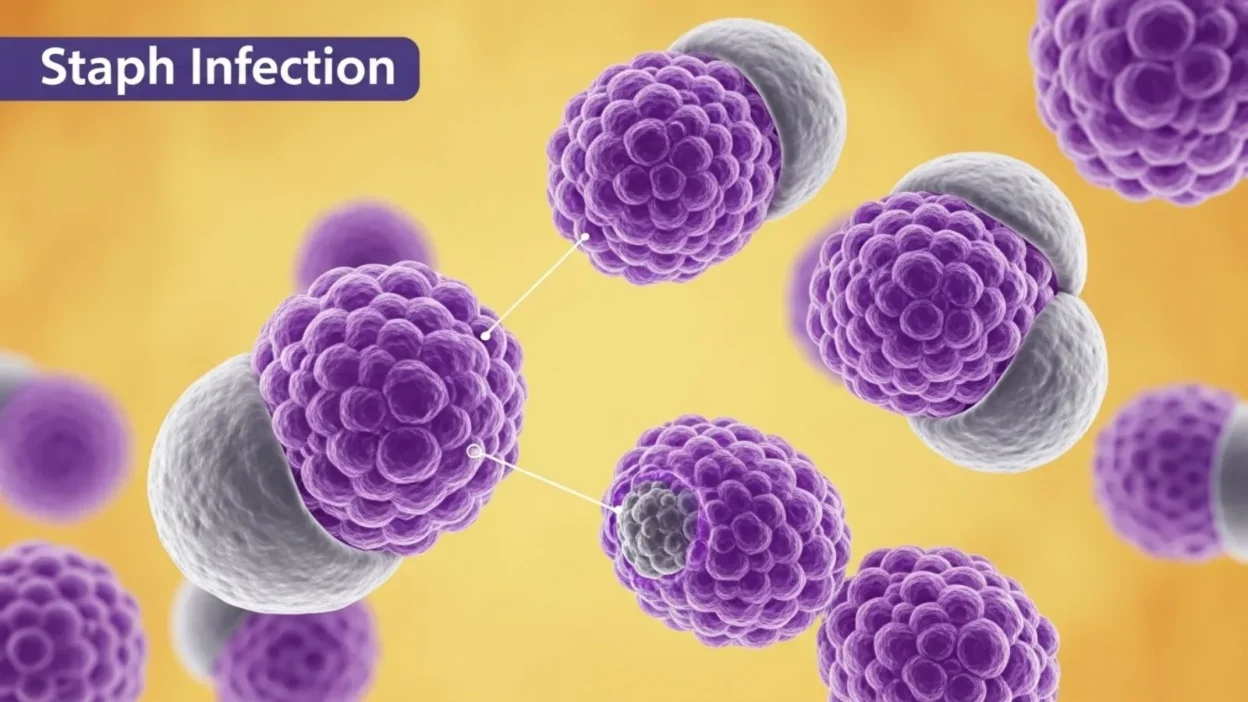
Staph infections are caused by Staphylococcus bacteria and can appear on the skin in many different forms, ranging from minor irritations to serious, potentially dangerous infections.
Recognizing what a staph infection looks like is crucial for timely treatment and preventing complications.
Many people confuse staph infections with common skin problems like pimples, insect bites, or minor rashes, which can delay proper care.
Typically, staph infections present as red, swollen, or painful bumps, sometimes filled with pus, and may be accompanied by warmth or tenderness.
In more severe cases, infections can spread rapidly or even enter the bloodstream, leading to serious health risks.
This article will guide you through the common visual signs of staph infections, how to identify them on different parts of the body, and when to seek medical attention.
Understanding these symptoms can help protect you and your loved ones from more serious complications.
What is a Staph Infection?
A staph infection is caused by Staphylococcus bacteria, commonly found on the skin or in the nose of healthy individuals. While these bacteria usually live harmlessly on the body, they can sometimes enter through cuts, scrapes, or other breaks in the skin and cause an infection. Staph infections vary in severity, ranging from minor skin irritations to serious conditions that require immediate medical attention.
The most common type of staph infection affects the skin. These infections often appear as red, swollen, or painful bumps and can develop into boils, abscesses, or pus-filled lesions. More severe infections can spread to deeper tissues, bones, or the bloodstream, leading to life-threatening complications. One of the more concerning types of staph infection is MRSA (Methicillin-resistant Staphylococcus aureus), which is resistant to many standard antibiotics and requires specialized treatment.
Anyone can get a staph infection, but certain factors increase the risk. People with weakened immune systems, chronic illnesses, recent surgery, or those who spend time in crowded places like gyms or hospitals are more susceptible. Practicing proper hygiene, cleaning wounds promptly, and avoiding sharing personal items can help reduce the risk.
Understanding the basics of staph infections is the first step in recognizing the visual signs and seeking timely treatment, which can prevent complications and promote faster healing.
Common Symptoms of a Staph Infection
Recognizing the symptoms of a staph infection is essential for early treatment and preventing complications. While staph infections can appear in various forms, most start on the skin and can vary from mild irritation to severe, painful lesions.
One of the earliest signs is redness and inflammation around a cut, scrape, or other skin injury. The affected area may feel warm to the touch and can become swollen or tender, often causing discomfort or pain. Small red bumps resembling pimples or insect bites may develop initially, gradually turning into larger, raised lumps.
Many staph infections produce pus or other drainage, which can be yellow or green and sometimes have a foul odor. Boils or abscesses are common and often appear as painful, fluid-filled lumps that may need to be drained by a healthcare professional. In some cases, multiple bumps can merge, forming a larger area of infection.
In more serious infections, symptoms can extend beyond the skin. Individuals may experience fever, chills, or fatigue, indicating that the bacteria could be spreading deeper into the body. Rapidly spreading redness, streaks, or swelling are also warning signs that require prompt medical attention.
It’s important to differentiate staph infections from minor skin issues like acne or insect bites. Early recognition of symptoms such as redness, swelling, pain, and pus formation can help prevent complications and ensure timely medical treatment, especially in cases involving MRSA or systemic infection.
How a Staph Infection Appears on Skin
Staph infections on the skin can appear in several forms, making it important to recognize the visual signs early. Typically, the infection starts as small, red bumps that may resemble pimples, insect bites, or minor rashes. These bumps are often tender, warm, and slightly swollen. In some cases, the center of the bump may develop a white or yellow tip, indicating the presence of pus.
As the infection progresses, these small bumps can grow larger and develop into boils or abscesses, which are painful, pus-filled lumps beneath the skin. Boils may continue to enlarge and can merge with nearby bumps, forming clusters that require medical drainage. The surrounding skin may appear reddish, inflamed, and warm to the touch, often causing significant discomfort.
Certain staph infections, like cellulitis, affect deeper layers of the skin, resulting in widespread redness, swelling, and tenderness. Unlike minor infections, cellulitis spreads quickly and may form streaks along the lymphatic system.
MRSA infections, a resistant form of staph, often look similar to spider bites or cysts, but they progress rapidly and are more likely to cause severe pain, swelling, and pus. Unlike typical staph bumps, MRSA lesions can develop systemic symptoms such as fever or fatigue, indicating that the infection may be spreading.
Being able to identify these visual signs—red bumps, pus-filled lumps, swelling, and redness—is crucial for early intervention, preventing complications, and determining whether professional medical treatment is necessary.
Staph Infection Pictures / Visual Guide
Understanding what a staph infection looks like at different stages can help you recognize it early and seek proper treatment. While actual images are helpful, describing the visual signs in detail is essential for identification.
In the early stage, staph infections usually appear as small red bumps, often mistaken for pimples or insect bites. These bumps may be slightly raised, tender, and warm to the touch. Sometimes, a tiny white or yellow tip forms, indicating pus accumulation beneath the skin. Early recognition and proper hygiene can prevent the infection from worsening.
As the infection progresses, the bumps can develop into boils or abscesses, which are larger, painful lumps filled with pus. The surrounding skin becomes more inflamed and swollen, sometimes creating a cluster of bumps. Boils may eventually rupture or require medical drainage to remove the pus.
Cellulitis, another form of staph infection, can cause widespread redness, swelling, and streaking, often extending beyond the initial site of infection. This type can progress quickly and may indicate that the infection is affecting deeper layers of the skin.
MRSA infections can resemble spider bites or cysts, but they tend to worsen rapidly. Key warning signs include intense pain, spreading redness, pus drainage, and systemic symptoms like fever or chills.
By familiarizing yourself with these visual cues—early red bumps, pus-filled boils, cellulitis streaks, and MRSA lesions—you can identify staph infections promptly. Early detection is critical to prevent complications and ensure proper medical treatment.
How Staph Infections Are Diagnosed
Proper diagnosis is crucial for effectively treating staph infections, especially since they can mimic other skin conditions like acne, insect bites, or allergic reactions. Doctors rely on both physical examination and medical testing to confirm the infection and determine its severity.
The first step in diagnosis is a clinical evaluation. A healthcare professional examines the affected area, looking for key visual signs such as redness, swelling, warmth, tenderness, and pus-filled bumps. They may also check for spreading patterns, streaks, or clusters that could indicate a more serious infection like cellulitis.
For more precise identification, doctors often perform a swab or culture test. This involves collecting a small sample of pus or fluid from the infected site to identify the type of bacteria causing the infection. In cases where antibiotic resistance is suspected, such as MRSA, a sensitivity test may be done to determine the most effective treatment.
If the infection appears to be severe or systemic, additional tests may include blood work or imaging studies to check whether the bacteria have spread to the bloodstream, bones, or internal organs. This is especially important for high-risk individuals, such as those with weakened immune systems or chronic conditions.
Early and accurate diagnosis helps ensure the proper antibiotic therapy or medical intervention is applied promptly. Recognizing the signs, combined with laboratory testing, allows for effective treatment, reduces the risk of complications, and promotes faster recovery.
Treatment Options for Staph Infections
Treatment for staph infections depends on the severity, location, and type of infection. Mild infections on the skin can sometimes be managed at home, while more severe cases may require medical intervention.
For minor skin infections, doctors often recommend keeping the area clean and covered. Applying warm compresses several times a day can help reduce pain and promote drainage if pus is present. Over-the-counter antiseptics or antibiotic ointments may also help prevent the infection from spreading.
When the infection is more serious, such as larger boils or abscesses, oral antibiotics are often prescribed. Common antibiotics target Staphylococcus aureus, but in cases of MRSA, doctors may use specific medications that the bacteria are not resistant to. It’s important to complete the full course of antibiotics to prevent recurrence or antibiotic resistance.
Severe infections or those involving deep tissue, bloodstream, or systemic symptoms may require hospitalization. In some cases, a doctor may need to drain abscesses surgically to remove pus and relieve pressure. Intravenous (IV) antibiotics may be necessary for serious or widespread infections.
Home care continues to play a role alongside medical treatment. Keeping the infection clean, avoiding touching or squeezing the area, and practicing proper hygiene are all critical for faster healing and preventing spread to others.
Timely treatment is key. Early intervention not only helps resolve the infection faster but also reduces the risk of complications such as cellulitis, sepsis, or recurrent infections.
Home Care and Management Tips
Proper home care is essential for managing staph infections and preventing them from worsening or spreading. Even when under medical treatment, simple steps at home can speed healing and reduce discomfort.
The first priority is keeping the affected area clean and covered. Wash your hands thoroughly before and after touching the infected site. Clean the area gently with soap and water, then apply a sterile bandage to protect it from bacteria and prevent spreading to others. Avoid scratching, picking, or squeezing boils or pustules, as this can worsen the infection and increase the risk of scarring.
Warm compresses applied several times a day can help relieve pain, reduce swelling, and encourage drainage of pus in minor boils. Over-the-counter antiseptic creams or ointments may be used as directed to prevent bacterial growth.
It’s also important to avoid sharing personal items such as towels, razors, or clothing, as staph bacteria can easily spread through contact. Regularly wash clothing, bedding, and towels in hot water to kill bacteria.
Monitor the infection closely for signs of worsening, such as spreading redness, increased pain, or pus discharge. If any of these occur, or if fever or fatigue develops, contact a healthcare professional immediately.
Maintaining overall good hygiene and healthy habits—including handwashing, keeping cuts covered, and not touching the face—can help prevent new infections. Combining proper home care with medical treatment ensures faster recovery and reduces the likelihood of recurrence.
Prevention of Staph Infections
Preventing staph infections is often easier than treating them, and it mainly involves good hygiene practices and careful wound management. Since Staphylococcus bacteria can live harmlessly on the skin but become dangerous when entering cuts or abrasions, keeping the skin clean and intact is crucial.
One of the most effective prevention strategies is frequent handwashing with soap and warm water, especially after touching potentially contaminated surfaces, participating in sports, or handling wounds. Using alcohol-based hand sanitizers can also help when soap and water are not available.
Proper wound care is equally important. Even small cuts or scrapes should be cleaned immediately and covered with a sterile bandage until healed. Change bandages daily and monitor the area for signs of infection, such as redness, swelling, or pus.
Avoiding the sharing of personal items like towels, razors, clothing, or athletic equipment is another key preventive measure. Staph bacteria can spread through direct contact with contaminated items or skin. For athletes or gym-goers, disinfecting equipment before and after use reduces the risk of infection.
Maintaining a healthy immune system through a balanced diet, regular exercise, adequate sleep, and stress management can also help the body resist infections.
For families and caregivers, educating children about hygiene and safe practices, such as not picking at skin or wounds, is critical. By combining cleanliness, proper wound care, and responsible habits, staph infections can often be avoided altogether, protecting both individuals and their communities.
When to See a Doctor
Knowing when to seek medical attention for a staph infection is critical to prevent serious complications. While minor infections can sometimes be managed at home, certain signs indicate that professional care is necessary.
If the infection is spreading rapidly, with redness or swelling moving beyond the initial site, it may be a sign of cellulitis, a more serious skin infection that requires medical treatment. Intense pain, tenderness, or swelling that worsens over time is another warning signal.
The presence of pus-filled boils or abscesses that do not heal or continue to enlarge should also prompt a doctor’s visit. In many cases, medical intervention may involve draining the abscess or prescribing stronger antibiotics, especially if the infection is caused by MRSA.
Systemic symptoms such as fever, chills, fatigue, or body aches indicate that the bacteria may have entered the bloodstream. This can be life-threatening and requires immediate medical attention. People with weakened immune systems, diabetes, or chronic illnesses should be extra cautious and consult a healthcare professional at the first sign of infection.
Additionally, infections on sensitive areas like the face, hands, or near surgical wounds should always be evaluated promptly, as these areas are prone to complications.
Early medical intervention can prevent the infection from spreading, reduce pain, and decrease the risk of serious complications. When in doubt, it’s safer to contact a doctor promptly rather than attempting to manage a potentially severe staph infection at home.
FAQs About Staph Infections
1. Can staph infections spread to others?
Yes, staph infections are contagious. They can spread through direct contact with an infected wound or by sharing personal items like towels, clothing, or razors. Proper hygiene and covering infected areas help prevent transmission.
2. How long does a staph infection last?
The duration depends on severity. Mild skin infections may heal within a week or two with home care, while boils or abscesses treated with antibiotics may take several weeks to fully resolve. MRSA infections often require longer treatment.
3. Can staph infections heal without antibiotics?
Minor staph infections may sometimes resolve on their own with proper wound care and hygiene, but medical treatment is recommended to prevent complications or recurrence. Persistent, spreading, or painful infections usually require antibiotics.
4. How do MRSA infections differ from regular staph infections?
MRSA is a resistant strain of staph bacteria. It often spreads quickly, causes severe pain, and is harder to treat because common antibiotics are ineffective. MRSA infections require specialized medical care.
5. Can staph infections become life-threatening?
While most skin infections are mild, staph can become dangerous if it enters the bloodstream, bones, lungs, or heart. Severe infections can cause sepsis, a life-threatening condition that requires immediate medical attention.
6. How can I prevent staph infections?
Frequent handwashing, keeping wounds clean and covered, avoiding sharing personal items, and maintaining a healthy lifestyle are all effective preventive measures.
Conclusion:
Staph infections are common bacterial infections that can appear in various forms, from small red bumps to painful boils and severe skin infections like cellulitis or MRSA.
Recognizing the visual signs such as redness, swelling, warmth, pus filled lumps, or rapidly spreading lesions is essential for timely treatment. Early detection helps prevent complications, including deeper tissue infections, bloodstream involvement, or recurrent infections.
Proper hygiene, careful wound care, and avoiding the sharing of personal items are key preventive measures.
Mild infections may be managed at home, but persistent, worsening, or severe cases require professional medical attention. Antibiotics, drainage procedures, and supportive care can effectively treat most staph infections when addressed promptly.
By understanding what staph infections look like, knowing the common symptoms, and following preventive steps, individuals can protect themselves and their families.
Timely action, combined with good hygiene and awareness, is the best way to manage staph infections and ensure a full, healthy recovery.

The author behind RiddleBurst.com loves creating fun, clever, and unique riddles for all ages. Their goal is to challenge minds, bring smiles, and make learning through riddles both engaging and enjoyable.