Blood plasma is often called the lifeline of our circulatory system, yet many people don’t fully understand its role. Plasma is the liquid portion of blood, making up about 55% of its total volume, and it serves as a critical transport system for the body.
It carries nutrients, hormones, and proteins to cells while removing waste products like carbon dioxide and metabolic byproducts.
Beyond transport, plasma plays a vital role in immune defense, blood clotting, and maintaining fluid balance, making it essential for survival.
From supporting daily bodily functions to serving in life-saving medical treatments like plasma transfusions, this remarkable fluid is more than just water with a yellow tint.
In this article, we’ll explore what plasma does, its composition, key functions, medical uses, and why it’s indispensable for maintaining health.
What Is Plasma?
Plasma is the liquid component of blood that serves as a vital medium for transporting substances throughout the body. It appears as a pale yellow fluid, mainly composed of water, which accounts for about 90–92% of its volume. Despite its watery appearance, plasma is packed with important components that support nearly every bodily function.
Think of plasma as the highway of the circulatory system. It carries red blood cells that deliver oxygen, white blood cells that fight infections, and platelets that help with clotting. In addition to blood cells, plasma transports nutrients like glucose, amino acids, and fatty acids, as well as hormones that regulate metabolism and growth. It also serves as a carrier for waste products, such as carbon dioxide and urea, moving them to the lungs and kidneys for removal from the body.
Plasma plays a key role in maintaining blood pressure and fluid balance, ensuring that cells receive adequate hydration and nutrients. It also contains plasma proteins like albumin, globulin, and fibrinogen, which are crucial for immunity, clotting, and overall health.
Without plasma, blood cells would not be able to travel efficiently, and essential substances could not reach the tissues that need them. Its unique composition and functions make plasma a critical component of life, supporting both everyday bodily processes and advanced medical treatments like plasma transfusions.
What Is Plasma Made Of?
Plasma may look like a simple liquid, but it is actually a complex mixture that performs multiple essential functions in the body. Its main component is water, making up about 90–92% of plasma’s total volume. This high water content allows plasma to act as a transport medium, carrying vital substances to cells and removing waste products efficiently.
In addition to water, plasma contains several important proteins. Albumin helps maintain proper blood volume and pressure, globulins support the immune system by transporting antibodies, and fibrinogen is essential for blood clotting to prevent excessive bleeding. These proteins make plasma much more than just a watery fluid—they give it the ability to support health and recovery.
Plasma also carries electrolytes, including sodium, potassium, calcium, and magnesium, which are critical for nerve signaling, muscle contraction, and maintaining fluid balance. Nutrients like glucose, amino acids, and fatty acids travel through plasma to nourish cells, while hormones act as messengers to regulate bodily functions.
Finally, plasma serves as a medium for transporting waste products like carbon dioxide and urea to the lungs and kidneys for elimination. This careful balance of water, proteins, electrolytes, nutrients, and waste ensures the body functions smoothly.
Understanding what plasma is made of highlights its role as the body’s transportation and support system, carrying everything that cells need while removing what they don’t.
Key Functions of Plasma
Plasma is much more than just a liquid; it is a lifeline for the body’s cells, performing several critical functions that keep us healthy and alive. One of its main roles is transportation. Plasma carries red blood cells, which deliver oxygen to tissues, and white blood cells, which defend against infections. It also transports nutrients like glucose, amino acids, and fats to cells and removes waste products such as carbon dioxide and urea for excretion.
Another essential function of plasma is supporting immunity. Plasma contains antibodies and immune proteins, known as globulins, that help the body fight off bacteria, viruses, and other pathogens. This makes plasma a key player in maintaining overall health and preventing illness.
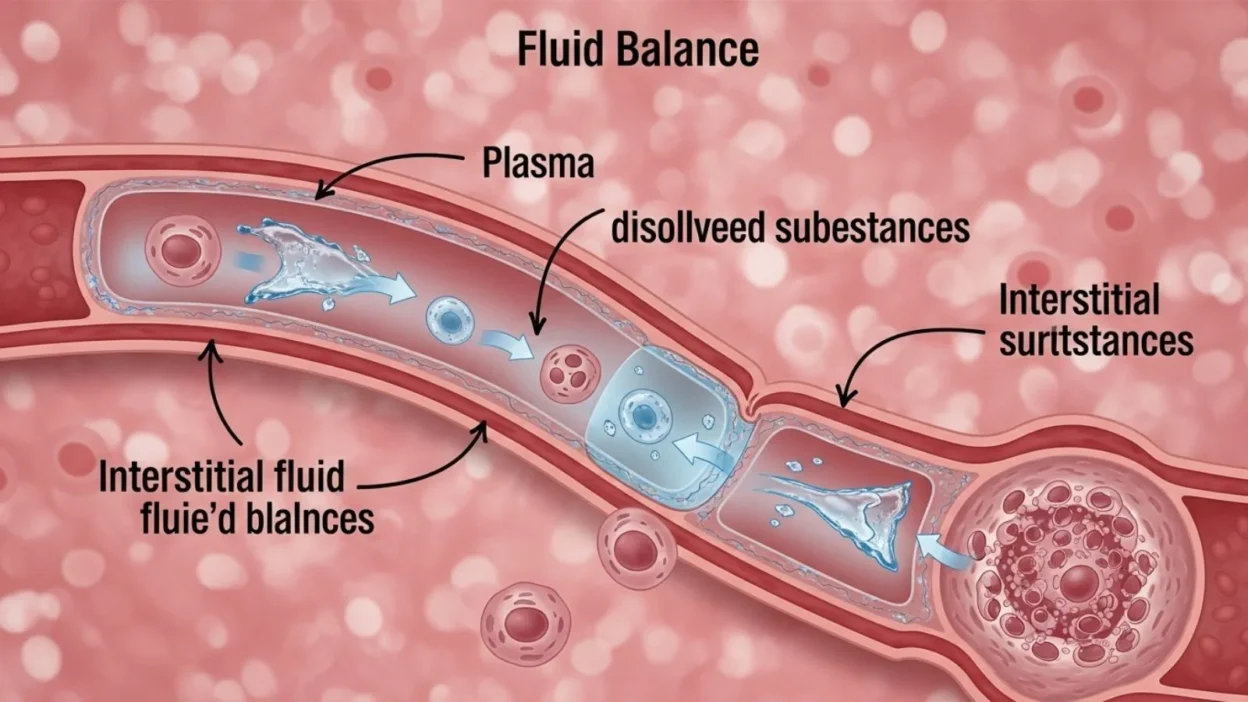
Plasma also plays a vital role in blood clotting. Fibrinogen, a protein present in plasma, is converted into fibrin during injury, helping to form clots and prevent excessive bleeding. Additionally, plasma contributes to regulating fluid balance and blood pressure, ensuring that cells receive adequate hydration and nutrients while removing excess fluids.
Beyond these functions, plasma helps in transporting hormones, which are chemical messengers that regulate metabolism, growth, and other bodily functions. It even aids in temperature regulation, distributing heat throughout the body to maintain a stable internal environment.
In short, plasma acts as the body’s transport system, immune supporter, and regulator, making it indispensable for survival and proper functioning of all organ systems. Without plasma, cells would struggle to receive nutrients, eliminate waste, and defend against disease.
Plasma vs Blood Cells
Blood is made up of two main components: plasma and blood cells. While plasma serves as the liquid medium, blood cells are the solid elements that perform specific functions. Understanding the difference between plasma and blood cells helps explain why plasma is so essential for overall health.
Red blood cells (RBCs) carry oxygen from the lungs to tissues and bring carbon dioxide back for removal. White blood cells (WBCs) are the body’s defense system, fighting infections and pathogens. Platelets play a critical role in clotting, stopping bleeding when injuries occur. While blood cells perform these specialized tasks, plasma acts as the transport system, carrying these cells throughout the body so they can function efficiently.
Plasma also transports nutrients, hormones, and waste products that blood cells cannot carry on their own. For example, RBCs can deliver oxygen but rely on plasma to travel through the bloodstream and reach every tissue. Similarly, immune proteins in plasma help WBCs target harmful invaders more effectively.
A simple analogy is that plasma is like the highway, and blood cells are the vehicles traveling on it. Without plasma, blood cells would be unable to move efficiently, and their critical functions—oxygen delivery, immunity, and clotting—would be severely compromised.
In short, while blood cells have specialized roles, plasma ensures that these cells reach the right place at the right time, making it an indispensable component of the circulatory system.
Why Plasma Is Essential for Survival
Plasma is not just a part of blood—it is a vital component that sustains life. One of its primary roles is maintaining fluid balance and blood pressure, which ensures that oxygen, nutrients, and hormones are efficiently delivered to every cell in the body. Without plasma, cells would be starved of nutrients, and waste products could accumulate, leading to serious health problems.
Another critical reason plasma is essential is its role in immune defense. Plasma carries antibodies and immune proteins that help the body fight infections. These proteins alert white blood cells to pathogens and help neutralize harmful bacteria and viruses, keeping the body healthy.
Plasma also plays a key role in blood clotting, which is crucial for preventing excessive bleeding during injuries. Fibrinogen and other clotting factors transported in plasma ensure that wounds heal properly and the body maintains homeostasis.
Furthermore, plasma is responsible for transporting hormones and chemical signals, which regulate metabolism, growth, and organ function. It also helps in removing waste products, such as carbon dioxide and urea, sending them to the lungs and kidneys for elimination.
In situations like severe dehydration or blood loss, low plasma levels can lead to shock, organ failure, or even death. This underscores the importance of plasma not only in daily bodily functions but also in emergency medical situations.
In short, plasma is the body’s transport system, protector, and regulator, making it absolutely indispensable for survival and overall health.
Medical Uses of Plasma
Plasma is not only vital for everyday bodily functions—it also plays a critical role in modern medicine. One of the most common medical uses of plasma is plasma transfusions, which help patients recover from severe blood loss, burns, or shock. These transfusions restore blood volume, improve circulation, and provide essential proteins that support healing.
Plasma is also used to produce plasma-derived therapies. For example, clotting factor concentrates are made from plasma to treat patients with hemophilia, a condition where blood does not clot properly. Immunoglobulins, another plasma-derived product, are used to boost immunity in patients with weakened immune systems or autoimmune disorders.
In addition, plasma therapy is used in critical care situations. For patients suffering from liver disease, severe infections, or trauma, plasma transfusions provide proteins and clotting factors that the body cannot produce on its own. Plasma can even be used in advanced treatments such as convalescent plasma therapy, which was employed during viral outbreaks to help patients fight infections by transferring antibodies from recovered individuals.
Medical professionals also rely on plasma for diagnostic tests. Plasma samples help doctors monitor electrolytes, liver function, hormone levels, and immune responses, making it essential for accurate diagnosis and treatment planning.
Overall, the medical uses of plasma demonstrate its versatility and life-saving potential. From emergency transfusions to specialized therapies, plasma continues to be an indispensable tool in healthcare, highlighting its value beyond natural bodily functions.
Plasma Donation: Why It Matters
Plasma donation is a simple yet life-saving process that helps countless patients around the world. During donation, a specialized machine separates plasma from whole blood and returns the remaining blood components—like red and white blood cells—back to the donor. This process is safe, quick, and can be done regularly, making plasma donation a sustainable way to support medical treatments.
Plasma donations are especially crucial for patients with blood clotting disorders, immune deficiencies, burns, and trauma injuries. Donated plasma provides the proteins and antibodies that these patients need to recover, often serving as the difference between life and death. It is also the source for plasma-derived medications, including clotting factor concentrates, immunoglobulins, and albumin solutions.
One of the unique aspects of it’s donation is its global importance. Unlike blood, it can be frozen and stored for months, making it a reliable resource for hospitals and clinics worldwide. This long shelf life ensures that plasma can be used whenever emergencies arise, from natural disasters to critical surgeries.
Donating plasma is more than just a medical procedure—it is a generous contribution to public health. Each donation helps improve the quality of life for patients in need and supports ongoing medical research and therapies. By giving plasma, donors become an essential part of the healthcare system, directly impacting the lives of patients who rely on this life-saving fluid.
Disorders Related to Plasma Problems
It is essential for maintaining the body’s balance and proper functioning, so any disruption in its levels or composition can lead to serious health issues. One common problem is low it’s volume, also known as hypovolemia. This condition can occur due to severe dehydration, blood loss, or burns, and it can cause low blood pressure, rapid heartbeat, and in extreme cases, shock or organ failure.
Another disorder involves plasma protein deficiencies. Proteins like albumin, globulin, and fibrinogen are critical for blood pressure regulation, immunity, and clotting. A lack of these proteins can lead to edema (swelling due to fluid retention), weakened immune response, and poor wound healing. Certain liver diseases or malnutrition can also reduce plasma protein levels, further compromising health.
Problems with clotting factors in plasma can result in excessive bleeding or clotting disorders. For instance, insufficient fibrinogen can prevent proper clot formation, while abnormal clotting proteins can lead to dangerous blood clots, increasing the risk of strokes or heart attacks.
Other disorders related to plasma include autoimmune conditions, where plasma proteins mistakenly attack healthy tissues, and electrolyte imbalances, which can disrupt nerve signaling, muscle function, and heart rhythm.
Understanding these plasma-related disorders emphasizes how vital plasma is for survival. Maintaining healthy plasma levels ensures nutrient transport, waste removal, immune support, and proper clotting, all of which are critical for the body’s daily functions and overall health.
Interesting Facts About Plasma
Plasma is an extraordinary component of blood, often overlooked despite its critical role in the body. One fascinating fact is that plasma makes up over half of the total blood volume—about 55%—yet most people rarely think about it. Its pale yellow color comes from dissolved proteins and other substances, giving it a distinctive appearance compared to red blood cells.
Another remarkable aspect of plasma is its composition and versatility. Plasma is mostly water, but it also contains proteins, electrolytes, nutrients, hormones, and waste products, all working together to support health. For example, plasma proteins like albumin, globulin, and fibrinogen are crucial for immune defense, clotting, and fluid balance. This makes plasma a multi-functional fluid, serving many purposes beyond simple transport.
Plasma is also essential in modern medicine. Plasma can be separated from blood through centrifugation, allowing it to be stored and used for transfusions, plasma-derived therapies, and emergency treatments. It can even be frozen for long-term use, making it a critical resource during natural disasters or medical emergencies.
A lesser-known fact is that plasma donation has a global impact. Donated plasma helps treat patients with clotting disorders, immune deficiencies, and severe injuries. Convalescent plasma, collected from recovered patients, has even been used in fighting viral infections.
These facts highlight that plasma is more than just a liquid—it is a life-supporting fluid, essential for health, medical treatments, and scientific research. Understanding its properties helps us appreciate its vital role in the human body.
FAQs About Plasma
1. What is plasma in simple terms?
Plasma is the liquid part of blood that carries blood cells, nutrients, hormones, and waste products throughout the body. It is pale yellow and makes up about 55% of blood volume.
2. How much plasma is in the human body?
An average adult has about 2.7 to 3 liters of plasma, depending on body size. This is over half of the total blood volume.
3. What does plasma carry in the body?
Plasma transports red and white blood cells, platelets, nutrients, hormones, proteins, and waste products. It helps maintain fluid balance, supports immune function, and aids in clotting.
4. Why is plasma important for survival?
Without plasma, cells would not receive the oxygen, nutrients, and immune proteins they need. Plasma also removes waste products, regulates blood pressure, and supports clotting, making it essential for life.
5. Can plasma be donated?
Yes. Plasma donation is safe and involves separating plasma from blood and returning the other components to the donor. Donated plasma is used in transfusions and for making life-saving medications.
6. What happens if plasma levels are low?
Low plasma levels, known as hypovolemia, can lead to dehydration, low blood pressure, shock, or organ failure. Low plasma protein levels may cause swelling, poor immunity, and clotting problems.
7. How is plasma different from serum?
Serum is the fluid that remains after plasma clots and removes fibrinogen. Plasma contains all clotting factors, while serum does not.
Conclusion:
Plasma is far more than just the liquid part of blood it is a vital lifeline for the human body. Acting as a transport system, plasma carries nutrients, hormones, blood cells, and waste products, ensuring that every part of the body functions efficiently.
Its unique composition, including water, proteins, and electrolytes, allows it to support immune defense, blood clotting, fluid balance, and overall cellular health.
Beyond its role in daily bodily functions, plasma has significant medical applications, from life saving transfusions to plasma derived therapies that treat clotting disorders, immune deficiencies, and severe injuries. Plasma donation further highlights its global importance, helping patients and advancing healthcare worldwide.
Understanding plasma and its functions allows us to appreciate this remarkable fluid as an essential component of life. By maintaining healthy plasma levels and supporting plasma related therapies, we ensure that the body and modern medicine continues to function at its best.
Discover More Articles:
- What Does Selenium Do for the Body: Boost Health Naturally
- What Does Magnesium Citrate Do for Digestion and Health
- What Does Colon Cancer Poop ? Signs You Shouldn’t Ignore

The author behind RiddleBurst.com loves creating fun, clever, and unique riddles for all ages. Their goal is to challenge minds, bring smiles, and make learning through riddles both engaging and enjoyable.