
When people casually say they’re obsessed about organizing their desk or color-coding their wardrobe, it’s easy to assume we all understand what obsessed means.
But what does obsessed really stand for? The truth is, obsessed is an acronym for Obsessive Compulsive Disorder, a serious mental health condition that affects millions of people worldwide.
It goes far beyond the simple habits or preferences that many associate with the term in everyday conversation.
Understanding obsessed requires looking at both the obsessive thoughts that create anxiety and the compulsive behaviors that attempt to reduce it.
Many misconceptions surround the disorder, from thinking it’s just about neatness to underestimating its impact on daily life.
In this article, we’ll break down exactly what obsessed stands for, explore its symptoms, causes, treatments, and clarify the difference between casual usage and the clinical disorder, giving you a clearer, more informed perspective on this often misunderstood condition.
What OCD Stands For
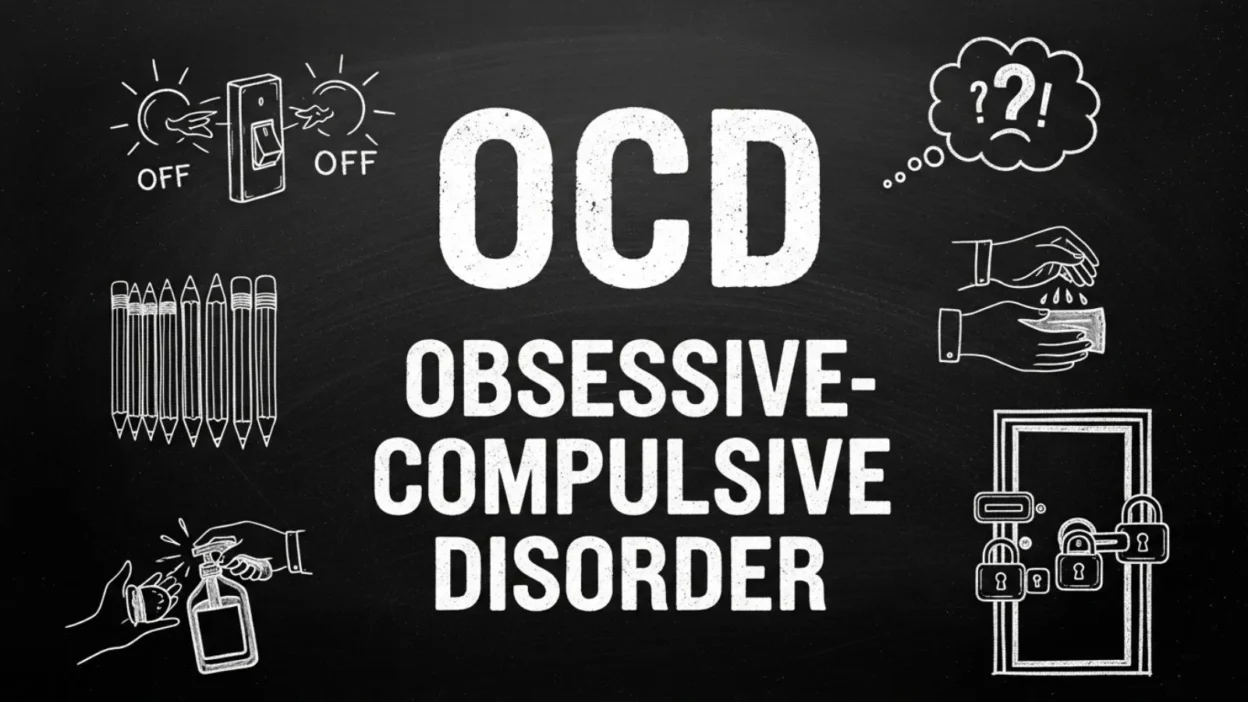
OCD stands for Obsessive Compulsive Disorder, a mental health condition that is often misunderstood. Breaking down the acronym helps clarify its meaning:
- Obsessive: This refers to persistent, unwanted thoughts, images, or urges that repeatedly enter a person’s mind. These obsessions are often distressing and can create significant anxiety or discomfort. Common obsessions include fears of contamination, harming others, or making a mistake. Unlike normal worries, these thoughts are intrusive and difficult to control.
- Compulsive: Compulsions are the repetitive behaviors or mental rituals that a person feels compelled to perform in response to their obsessions. These actions are usually meant to reduce the anxiety caused by the obsessive thoughts. Examples include repeatedly washing hands, checking locks, counting, or organizing items in a specific way. While performing these behaviors may provide temporary relief, the cycle often repeats, keeping the person trapped in a pattern that can interfere with daily life.
- Disorder: The term disorder indicates that OCD is a clinically recognized mental health condition. It’s not just a personality quirk or a preference for order; it can significantly affect relationships, work, and overall quality of life.
Symptoms of OCD
Obsessive-Compulsive Disorder manifests through a combination of obsessions and compulsions, each affecting daily life in unique ways. Understanding the symptoms can help distinguish clinical OCD from ordinary habits or preferences.
Obsessions are persistent, intrusive thoughts, urges, or images that cause anxiety or distress. Common obsessions include fear of germs or contamination, concerns about safety, unwanted aggressive or violent thoughts, or a constant need for symmetry and order. These thoughts are involuntary, often disturbing, and difficult for a person to ignore or suppress.
Compulsions are repetitive behaviors or mental rituals performed to reduce the anxiety caused by obsessions. Examples include frequent handwashing, repeatedly checking locks or appliances, counting, arranging items in a precise order, or mentally reviewing past actions. Although these behaviors may temporarily relieve distress, they rarely eliminate the obsessive thoughts, creating a cycle that can dominate daily life.
Other signs of OCD can include excessive time spent on routines, difficulty making decisions due to perfectionism, and avoidance of situations that trigger anxiety. The severity of symptoms varies widely—some individuals experience mild interference, while others struggle with behaviors that significantly disrupt work, relationships, and social life.
OCD often co-occurs with other mental health conditions such as anxiety disorders, depression, or eating disorders, which can complicate diagnosis and treatment. Recognizing symptoms early and seeking professional help is crucial, as effective treatments like therapy and medication can greatly improve quality of life.
Causes and Risk Factors of OCD
The exact cause of Obsessive-Compulsive Disorder (OCD) is not fully understood, but research suggests it arises from a combination of genetic, neurological, and environmental factors. Understanding these causes can help explain why some people develop OCD while others do not.
Genetics play a significant role. Studies show that individuals with a family history of OCD are more likely to develop the disorder themselves. Certain genes may affect brain chemicals involved in regulating mood and behavior, making some people more susceptible.
Brain structure and chemistry also contribute. OCD is associated with irregularities in areas of the brain that regulate decision-making, fear responses, and behavior. Imbalances in neurotransmitters such as serotonin can influence obsessive thoughts and compulsive behaviors, highlighting why medications that target serotonin can be effective in treatment.
Environmental factors can trigger or worsen OCD symptoms. Stressful life events, trauma, or abusive experiences may contribute to the onset of the disorder. Some individuals develop OCD following illnesses or infections that affect the nervous system, a condition sometimes referred to as Pediatric Autoimmune Neuropsychiatric Disorders Associated with Streptococcal infections (PANDAS) in children.
Other risk factors include personality traits such as extreme perfectionism, high sensitivity to stress, or a tendency toward anxiety. It’s important to note that OCD is rarely caused by a single factor; instead, it is multifactorial, meaning genetics, brain chemistry, environment, and personality interact in complex ways.
Recognizing these causes and risk factors can help individuals seek early intervention and tailor treatment strategies for more effective management of OCD symptoms.
OCD vs. Being Neat or Perfectionist
A common misconception about OCD is that it simply describes people who like things neat or organized. While tidiness and attention to detail can be personality traits, Obsessive-Compulsive Disorder is far more complex and disruptive. Understanding the difference is essential for awareness and empathy.
People who are neat or perfectionist may enjoy order, follow routines, or prefer things to be symmetrical, but these behaviors usually do not interfere with daily life. In contrast, OCD compulsions are driven by intense anxiety caused by intrusive obsessions. For example, someone with OCD may feel compelled to wash their hands dozens of times, not because they like cleanliness, but because they fear germs and cannot control the urge, even if it disrupts their schedule.
Another difference lies in flexibility. A perfectionist can usually tolerate minor deviations without significant distress, whereas a person with OCD may experience extreme discomfort or panic when routines are interrupted. OCD behaviors are time-consuming, repetitive, and often irrational, whereas neatness or perfectionism is generally manageable and chosen.
It’s also important to note that OCD affects mental and emotional well-being, not just behavior. Intrusive thoughts and anxiety can cause distress, depression, and social isolation, aspects rarely associated with simple neatness.
Recognizing this distinction helps reduce casual misuse of the term “OCD” and encourages understanding that the disorder is a serious mental health condition requiring support and treatment, rather than just a quirk of personality.
Diagnosis and Treatment of OCD
Diagnosing Obsessive-Compulsive Disorder requires a thorough evaluation by a qualified mental health professional. The process typically begins with a detailed interview about symptoms, including the nature, frequency, and intensity of obsessive thoughts and compulsive behaviors. Clinicians may use diagnostic criteria from the DSM-5 (Diagnostic and Statistical Manual of Mental Disorders) to confirm whether a person meets the requirements for OCD. Sometimes, standardized questionnaires or psychological assessments are used to measure severity and impact on daily life.
Early diagnosis is crucial, as untreated OCD can significantly disrupt relationships, work, and overall quality of life. Recognizing symptoms and seeking professional help can prevent the disorder from worsening.
Treatment options for OCD are highly effective and often involve a combination of therapy and medication. Cognitive Behavioral Therapy (CBT), particularly Exposure and Response Prevention (ERP), is considered the gold standard. ERP gradually exposes individuals to situations that trigger obsessions while helping them resist performing compulsive behaviors, reducing anxiety over time.
Medications, especially Selective Serotonin Reuptake Inhibitors (SSRIs), can help regulate brain chemistry and reduce obsessive-compulsive symptoms. In some cases, therapy and medication are combined for optimal results.
In addition to professional treatment, lifestyle changes such as stress management, mindfulness practices, and support from family or OCD support groups can improve outcomes. With proper care, individuals with OCD can manage symptoms effectively, regain control over daily life, and maintain emotional well-being.
Living with OCD
Living with Obsessive-Compulsive Disorder can be challenging, but with the right strategies and support, individuals can lead fulfilling lives. Managing OCD involves a combination of professional treatment, personal coping mechanisms, and support from loved ones.
Therapy and treatment adherence are essential. Regular sessions of Cognitive Behavioral Therapy (CBT) or Exposure and Response Prevention (ERP) can help reduce compulsions and manage obsessive thoughts. Medications, when prescribed, should be taken consistently, as they help regulate brain chemistry and ease symptoms.
Daily coping strategies can also make a significant difference. Techniques such as mindfulness meditation, deep-breathing exercises, and journaling can help manage anxiety and reduce stress. Structuring daily routines while allowing some flexibility prevents OCD from controlling every aspect of life.
Support networks play a critical role. Family, friends, or peer support groups provide encouragement and understanding, helping reduce feelings of isolation. Talking openly about OCD can normalize the experience and reduce stigma.
Additionally, setting realistic goals and celebrating small victories can boost confidence and improve mental well-being. It’s important to remember that progress may be gradual, and setbacks are normal, but consistent effort often leads to significant improvement.
By combining professional care, coping strategies, and social support, people with OCD can maintain healthy relationships, succeed at work or school, and enjoy daily life. Understanding and managing OCD empowers individuals to regain control and live life beyond the constraints of the disorder.
Frequently Asked Questions (FAQs) About OCD
1. What does OCD stand for?
OCD stands for Obsessive Compulsive Disorder, a mental health condition characterized by intrusive thoughts (obsessions) and repetitive behaviors (compulsions) performed to reduce anxiety.
2. Is being neat or organized the same as having OCD?
No. Liking order or cleanliness is normal. OCD involves persistent, distressing obsessions and compulsions that interfere with daily life.
3. What are common symptoms of OCD?
Symptoms include intrusive thoughts about contamination, safety, or harm, and compulsive behaviors like excessive handwashing, checking, counting, or arranging items in a specific order.
4. What causes OCD?
OCD arises from a combination of genetic, neurological, and environmental factors, including brain chemistry imbalances, family history, stress, and personality traits.
5. Can OCD be treated?
Yes. OCD is highly treatable with therapy (CBT and ERP), medications (SSRIs), lifestyle changes, and support from family or peer groups.
6. How is OCD diagnosed?
A mental health professional diagnoses OCD using clinical interviews, symptom assessments, and criteria from the DSM-5 to ensure accuracy.
7. Can children have OCD?
Yes. OCD can begin in childhood, adolescence, or adulthood. Early diagnosis and treatment are important for better outcomes.
8. Is OCD just anxiety?
While anxiety is a key component of OCD, it is a distinct disorder involving specific obsessions and compulsions, not just general anxiety.
Conclusion:
Understanding what obsessed stands for is the first step in recognising its impact on millions of people worldwide.
Obsessive Compulsive Disorder is much more than a casual term used for tidiness or perfectionism it is a serious mental health condition involving persistent, intrusive thoughts and repetitive behaviours that can interfere with daily life.
By learning about the symptoms, causes, and treatment options, we can distinguish between everyday habits and clinical obsessed, reducing misconceptions and stigma.
Early diagnosis and professional care, including therapy, medication, and supportive strategies, can help individuals manage their symptoms effectively and improve their quality of life.
Awareness, empathy, and education are essential for supporting those living with obsessed. By promoting understanding, we not only empower those affected to seek help but also create a more informed and compassionate society that recognizes the challenges of living with this often misunderstood disorder.