
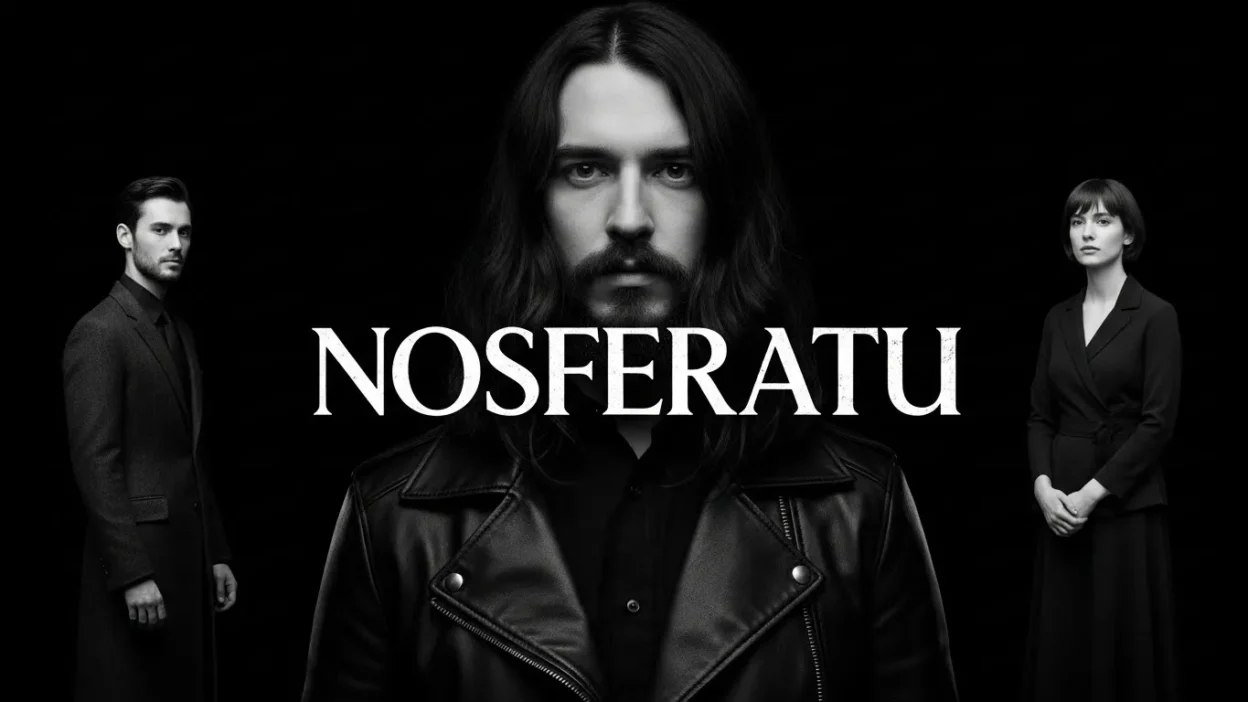
The word Nosferatu has haunted popular culture for over a century, conjuring images of eerie vampires and shadowy figures lurking in the night.
But what does Nosferatu mean, and where does this mysterious term come from? While many associate it simply with vampires or the iconic 1922 silent film, its roots are far deeper and more fascinating.
Scholars trace the word’s origin to Eastern European folklore, where it described a type of undead or disease-bringing spirit.
Over time, Nosferatu evolved into a symbol of fear and supernatural horror, inspiring countless stories, movies, and legends.
From the chilling figure of Count Orlok in cinema to its influence on modern vampire myths, understanding Nosferatu’s meaning reveals not just a word, but a rich tapestry of history, culture, and imagination.
In this article, we’ll explore Nosferatu’s definition, origin, folklore, and lasting impact on pop culture.
Definition of Nosferatu
Nosferatu is a term most commonly associated with vampires, but its meaning is richer and more complex than popular culture suggests. At its core, Nosferatu refers to a supernatural being believed to feed on the life force of the living. Scholars describe it in several ways: some define Nosferatu simply as a “vampire” or “undead spirit,” while others interpret it as “plague-bringer” or “deathly one.”
The term has its roots in Eastern European folklore, particularly Romanian and Transylvanian legends, where it represented a dark force capable of spreading disease, misfortune, or death. Unlike romanticized vampires such as Dracula, Nosferatu is often grotesque and terrifying, emphasizing fear, illness, and supernatural menace rather than charm.
In modern usage, Nosferatu symbolizes the unknown and the macabre. Its meaning has been popularized through media, most notably the 1922 silent film Nosferatu, introducing Count Orlok to global audiences. The word itself can be understood in English as “vampire,” “undead,” or “plague-bearer,” depending on context. Questions such as “what does Nosferatu mean?”, “define Nosferatu”, “Nosferatu meaning in English”, or “does Nosferatu mean vampire?” are all answered through this folklore-rooted definition.
By understanding Nosferatu’s meaning, one appreciates not only a word but also a cultural symbol of fear, death, and the supernatural, connecting centuries-old myths to modern horror storytelling.
At its core, Nosferatu is a term most often associated with vampires and the undead, but its meaning is richer and more complex than popular culture suggests. In general, Nosferatu refers to a type of supernatural being believed to feed on the life force of the living. Unlike the familiar Dracula archetype, Nosferatu often represents a more grotesque and terrifying creature, emphasizing disease, death, and fear rather than romantic allure.
The term itself has been defined in various ways by scholars and historians. Some sources describe Nosferatu simply as a “vampire” or “undead spirit,” while others suggest a literal meaning of “plague bringer” or “deathly one.” In Eastern European folklore, Nosferatu was considered a dark force, haunting villages and spreading illness, highlighting its association with both the supernatural and the real dangers of disease.
In literature and film, Nosferatu has become synonymous with the archetypal vampire. The 1922 silent film Nosferatu, directed by F.W. Murnau, popularized the term worldwide, introducing the terrifying Count Orlok and cementing the word’s place in horror history. Today, the definition of Nosferatu extends beyond folklore and cinema—it symbolizes fear, the unknown, and the darker aspects of human imagination. Understanding its definition is the first step in exploring its fascinating origins and cultural significance.
Origins and Etymology of Nosferatu
The word Nosferatu has mysterious origins, adding to its eerie allure. Scholars generally trace it to Eastern European folklore, particularly Romanian and Transylvanian traditions, but its exact linguistic roots are debated. One theory links it to the Romanian word nesuferit, meaning “offensive” or “loathsome.” Another theory connects it to the Greek term nosophoros, meaning “plague-bearer.” Both interpretations reinforce Nosferatu’s historical association with disease, death, and fear.
The term first appeared in European texts during the 18th and 19th centuries, when travelers documented vampire legends in rural villages. It described an undead or supernatural creature capable of preying on the living, often tied to unexplained deaths or epidemics. Over time, the word entered cinematic history, notably in F.W. Murnau’s 1922 silent film, which popularized the term globally.
This etymology explains why Nosferatu is sometimes referred to as a “plague-carrier” or “deathly one” and helps clarify queries such as “Nosferatu origin”, “Nosferatu word origin”, “why is it called Nosferatu?”, or “Nosferatu translation”. Understanding its linguistic roots offers insight into the cultural fears and legends that shaped the term, connecting folklore, language, and history.
The origins of the word Nosferatu remain mysterious, adding to its eerie allure. Scholars generally agree that it emerged from Eastern European folklore, particularly Romanian and Transylvanian traditions, but its exact linguistic roots are debated. Some researchers trace it to the Romanian word nesuferit, meaning “offensive” or “loathsome,” while others suggest a link to the Greek term nosophoros, which translates to “disease-bearer” or “plague-carrier.” These interpretations align with the historical portrayal of Nosferatu as a harbinger of sickness and death.
The earliest known appearances of the term in texts date back to the 18th and 19th centuries, when European travelers and writers documented vampire legends from rural regions. Nosferatu was described as a dark, undead creature that could prey on the living, often associated with mysterious deaths or epidemics. Unlike the romanticized vampires of later literature, Nosferatu was depicted as grotesque and terrifying, emphasizing fear and superstition.
Over time, the word Nosferatu evolved in usage. By the early 20th century, it became popularized through German expressionist cinema, most notably in F.W. Murnau’s 1922 film, where Count Orlok introduced international audiences to the term. This blend of folklore, linguistic mystery, and cinematic portrayal cemented Nosferatu as a symbol of horror. Understanding its etymology not only explains the word’s literal meaning but also sheds light on the cultural fears and legends that shaped it.
Nosferatu in Folklore
Nosferatu was more than a fictional vampire—it was a malevolent force in Eastern European folklore. In Romanian and Transylvanian villages, Nosferatu was believed to rise from the grave to prey on the living, often spreading disease or misfortune. Its appearance was grotesque, with elongated features, sharp teeth, and a cadaverous visage, emphasizing terror rather than charm.
Unlike Dracula-like vampires, Nosferatu represented death, decay, and supernatural punishment. Protective rituals—such as garlic, holy symbols, or specific burial practices—were used to prevent its rise. These stories were deeply rooted in attempts to explain epidemics, unexplained deaths, and misfortune.
This folklore provides context for queries like “Nosferatu legend”, “Nosferatu mythology”, “Nosferatu folklore”, “who is Nosferatu?”, “what is the story of Nosferatu?”, or “how did Nosferatu become a vampire?”. Far from being a purely fictional creation, Nosferatu reflects centuries-old cultural fears that continue to influence modern horror narratives.
Nosferatu has deep roots in Eastern European folklore, where it was viewed not merely as a fictional monster but as a malevolent force with tangible consequences for communities. In Romanian and Transylvanian villages, Nosferatu was often described as an undead being that rose from the grave to prey on the living, particularly spreading disease or misfortune. Unlike the elegant vampires popularized by later literature, Nosferatu was grotesque, sometimes depicted with elongated features, sharp teeth, and a cadaverous appearance, reflecting the fear it inspired.
Folklore also distinguished Nosferatu from other types of vampires. While Dracula-like vampires might seduce or charm their victims, Nosferatu was associated primarily with death and decay. It represented the unknown dangers lurking in the shadows—illness, death, and supernatural punishment. Local legends often included protective measures, such as garlic, holy symbols, or specific burial rituals, aimed at preventing the rise of a Nosferatu from a grave.
These folkloric descriptions were not merely stories but reflected cultural attempts to explain mysterious deaths, epidemics, and unexplained misfortunes. Nosferatu became a symbol of collective fear, embodying both the literal threat of disease and the psychological terror of the unknown. Understanding these folklore roots provides valuable insight into why Nosferatu later became an enduring figure in literature and film, bridging the gap between ancient myth and modern horror culture.
Nosferatu in Film History
Nosferatu gained international fame through cinema with the 1922 silent horror film directed by F.W. Murnau. Titled Nosferatu: A Symphony of Horror, the movie introduced audiences to Count Orlok, a terrifying vampire whose appearance and demeanor defined the archetype of horror on screen. Unlike later vampires in literature or films, Count Orlok was gaunt, rat-like, and unsettlingly unnatural, staying true to the grotesque roots of Nosferatu from Eastern European folklore.
The film’s story closely mirrored Bram Stoker’s Dracula, but legal issues forced the filmmakers to change names and settings. Despite these challenges, Nosferatu became a landmark in cinema, pioneering techniques in lighting, shadows, and camera angles that heightened suspense and fear. Murnau’s use of expressionist visuals emphasized the eerie, supernatural quality of the vampire, turning Nosferatu into a symbol of both dread and artistry in film.
The influence of the 1922 Nosferatu extends far beyond its era. Count Orlok inspired countless filmmakers, writers, and artists, shaping how vampires were portrayed in horror culture. From shadowy cinematography in modern films to Gothic literature, Nosferatu’s legacy is evident across multiple media. Understanding Nosferatu in film history not only highlights its role in popularizing the word but also illustrates how folklore evolved into a visual and cultural icon that continues to captivate audiences nearly a century later.
Nosferatu in Pop Culture and Modern Media
Beyond folklore and film, Nosferatu has become a lasting figure in modern pop culture. Its influence extends across books, television, video games, and even music, often serving as a symbol of fear, mystery, and the supernatural. Writers and creators have drawn on the grotesque imagery of Count Orlok and traditional vampire myths to craft new interpretations of Nosferatu, maintaining its eerie and unsettling presence.
In literature, Nosferatu-inspired characters appear in horror novels, comic books, and Gothic fiction, often emphasizing the darker, plague-associated qualities of the creature rather than romanticized vampire traits. Television shows, from classic horror anthologies to modern series, frequently reference Nosferatu as a legendary or historical vampire figure, reinforcing its cultural significance. Video games also capitalize on its terrifying appearance, incorporating Nosferatu-like enemies or storylines that echo its folkloric origins.
Even outside storytelling, Nosferatu has inspired artists, illustrators, and musicians. Its iconic imagery—the gaunt figure, elongated features, and shadowy silhouette—has become a symbol of classic horror, influencing Halloween costumes, graphic art, and popular iconography. The continued use of the term in pop culture highlights how Nosferatu has evolved from a regional myth into a universal symbol of fear. Understanding Nosferatu’s role in modern media shows how folklore, film, and art converge to keep this legendary vampire alive in collective imagination.
Common Misinterpretations & Myths
Despite its long history, Nosferatu is often misunderstood. Many people assume it is simply another name for Dracula or a generic vampire, but traditional Nosferatu myths differ significantly from the romanticized vampire archetypes popularized in literature and film. Unlike Dracula, who is often depicted as charming and sophisticated, Nosferatu is grotesque, terrifying, and closely tied to death, disease, and misfortune.
Another common misconception is that Nosferatu is purely a fictional creation. While the 1922 silent film introduced the name to global audiences, the concept of Nosferatu existed in Eastern European folklore for centuries. It represented real fears in rural communities, including unexplained deaths, plagues, and supernatural forces. This historical basis is often overlooked in modern retellings, which focus more on entertainment than cultural accuracy.
People also confuse Nosferatu with other undead creatures or vampires from different regions. In folklore, Nosferatu’s traits—such as spreading disease, preying on villagers, and avoiding sunlight—distinguish it from Dracula-like vampires, who are more socially interactive and often seductive. Misinterpretations often arise from films, books, and media that blend different vampire traditions, sometimes diluting the original folkloric meaning of Nosferatu.
Understanding these myths and misinterpretations is crucial for appreciating Nosferatu’s true significance. Far from being just a horror icon, Nosferatu embodies the fears, beliefs, and cultural history of the communities that first told its story, making it one of the most compelling figures in both folklore and modern horror.
Cultural Impact & Legacy
Nosferatu’s influence extends far beyond folklore and early cinema, cementing its place as a lasting cultural icon. From the 1922 silent film to modern horror media, the figure of Nosferatu has shaped the way audiences perceive vampires, death, and supernatural fear. Its grotesque appearance, eerie movements, and association with disease created a template for horror that continues to inspire filmmakers, writers, and artists.
In literature, Nosferatu has influenced Gothic fiction, horror novels, and comic books. Writers often draw on its unsettling characteristics—decay, darkness, and supernatural menace—to craft stories that explore fear and mortality. In film, directors and cinematographers reference Nosferatu’s signature shadowy visuals and haunting atmosphere, ensuring its stylistic legacy endures in horror and suspense genres.
Beyond storytelling, Nosferatu has inspired visual art, illustrations, video games, and even music, demonstrating its versatility as a cultural symbol. Halloween costumes, artwork, and pop culture references frequently borrow from its iconic imagery, from the elongated fingers and gaunt figure of Count Orlok to the symbolic themes of death and plague.
Nosferatu’s enduring appeal lies in its ability to bridge history, folklore, and modern entertainment. It is not just a word or a character—it represents centuries of human fascination with the unknown and the supernatural. Understanding Nosferatu’s cultural impact shows how a term from regional legend became a universal emblem of fear, creativity, and imagination, continuing to captivate audiences worldwide.
Nosferatu Meaning in Different Languages
Nosferatu has been interpreted in various languages and cultural contexts. In English, it is commonly understood as “vampire,” “undead,” or “plague-bringer.” In German, the word carries the same horror-associated meaning, largely popularized by the 1922 silent film. There are also speculative interpretations in Hebrew and biblical studies, where Nosferatu is sometimes referenced as a symbol of disease or demonic plague, though these are modern extrapolations rather than historical usage.
For Urdu readers, Nosferatu can be described as an evil supernatural being associated with death and disease, often translated a(shaytani Creation) or (plague-bringing creature).
Questions such as Nosferatu meaning in Urdu, what does Nosferatu mean in German?, what does Nosferatu mean in Hebrew?, and what does Nosferatu mean in the Bible? are clarified through these linguistic interpretations, showing how the concept transcends cultures while retaining its association with fear, disease, and the supernatural.
FAQs About Nosferatu
1. What is the origin of Nosferatu?
Nosferatu originated in Eastern European folklore, particularly Romanian and Transylvanian legends. It referred to an undead or supernatural creature associated with death, disease, and misfortune. Scholars also suggest possible Greek or Slavic linguistic roots, such as nosophoros, meaning “plague-bearer.”
2. Who was Count Orlok?
Count Orlok is the main vampire character in the 1922 silent film Nosferatu by F.W. Murnau. He is portrayed as a grotesque and terrifying figure, embodying the traditional characteristics of Nosferatu from folklore rather than the romanticized vampire of later literature.
3. Is Nosferatu a real vampire?
While Nosferatu is based on folklore, it is not a “real” vampire in a literal sense. It represents the fears and superstitions of Eastern European communities and was used to explain unexplained deaths, disease, and misfortune.
4. How is Nosferatu different from Dracula?
Unlike Dracula, who is often charming and seductive, Nosferatu is grotesque, sinister, and associated with disease. Nosferatu emphasizes fear, death, and supernatural menace, while Dracula represents a more romanticized vampire archetype.
5. Why is Nosferatu important in horror history?
Nosferatu is one of the earliest cinematic vampires and has heavily influenced horror films, literature, and pop culture. Its eerie visual style, gothic atmosphere, and cultural symbolism set a standard for modern horror storytelling.
6. How has Nosferatu influenced modern media?
Nosferatu continues to appear in books, TV shows, video games, and art. Its iconic image—the gaunt figure, sharp features, and shadowy presence—remains a universal symbol of horror and the supernatural.
Conclusion:
In exploring what Nosferatu means, we uncover more than just a word—it is a symbol of fear, folklore, and enduring cultural fascination.
Originating from Eastern European legends, the term Nosferatu described an undead or plague-bringing creature that inspired generations of myths, cautionary tales, and superstition.
Its literal meaning, etymology, and historical context highlight the deep connection between language, culture, and human fear of the unknown.
The 1922 silent film Nosferatu brought the term to global audiences, immortalizing Count Orlok as an icon of horror.
From folklore to film, literature, and modern pop culture, Nosferatu has shaped how we imagine vampires, death, and supernatural threats.
Understanding Nosferatu provides insight into the evolution of horror and the ways in which legends influence media and storytelling across centuries.
If in shadowy cinema, Gothic literature, or video games, Nosferatu continues to captivate and terrify, proving that some myths never truly die—they only evolve.
Discover More Articles:
- What Does Prejudice Really Mean? A Simple Explanation
- What Does TMI Really Mean? Your Complete Guide
- What Does GS Mean in Shoes? Simple Guide for Buyers