Mold is a common household problem that often goes unnoticed until it causes visible damage or health issues. Identifying mold early is essential to protect both your home and your well being.
But what does mold look like? Mold can appear in various colors, textures, and patterns, making it tricky to spot, especially in hidden areas like behind walls, under sinks, or on ceilings.
Understanding its appearance, along with the types of mold that commonly grow in homes, can help you detect and address it before it spreads.
From black, green, and white mold to fuzzy or slimy patches, each type has distinct characteristics that signal its presence.
In this guide, we will explore how to recognize mold, the risks it poses to health, and practical tips for safe identification and prevention, so you can keep your living space healthy and mold-free.
What Mold Looks Like?
Mold can vary widely in appearance, making it essential to know what to look for when inspecting your home. One of the most noticeable characteristics is color. Mold can appear black, green, white, gray, brown, or even orange. Black mold, for example, often forms slimy, dark patches, while green mold tends to be fuzzy or powdery and is commonly found on food or damp surfaces. White mold can appear fluffy or powdery, often resembling a layer of dust or frost on walls and ceilings.
Texture is another important clue. Mold can be fuzzy, slimy, or powdery, depending on the type and the surface it grows on. Fuzzy mold usually develops on surfaces with prolonged moisture exposure, like wood or drywall, while slimy mold may grow on areas with constant water contact, such as sinks or leaky pipes. Powdery molds, on the other hand, may appear as a thin layer on walls or furniture.
Mold also has distinct growth patterns. It often forms circular patches or clusters that expand over time, sometimes following streaks of moisture. It can grow in hidden corners, behind furniture, or under carpets, making detection more difficult. In bathrooms, kitchens, basements, and attics, mold often develops in damp or poorly ventilated areas. By paying attention to these visual cues—color, texture, and growth patterns—you can identify potential mold problems early and take steps to remove it safely.
Common Types of Mold and Their Appearance
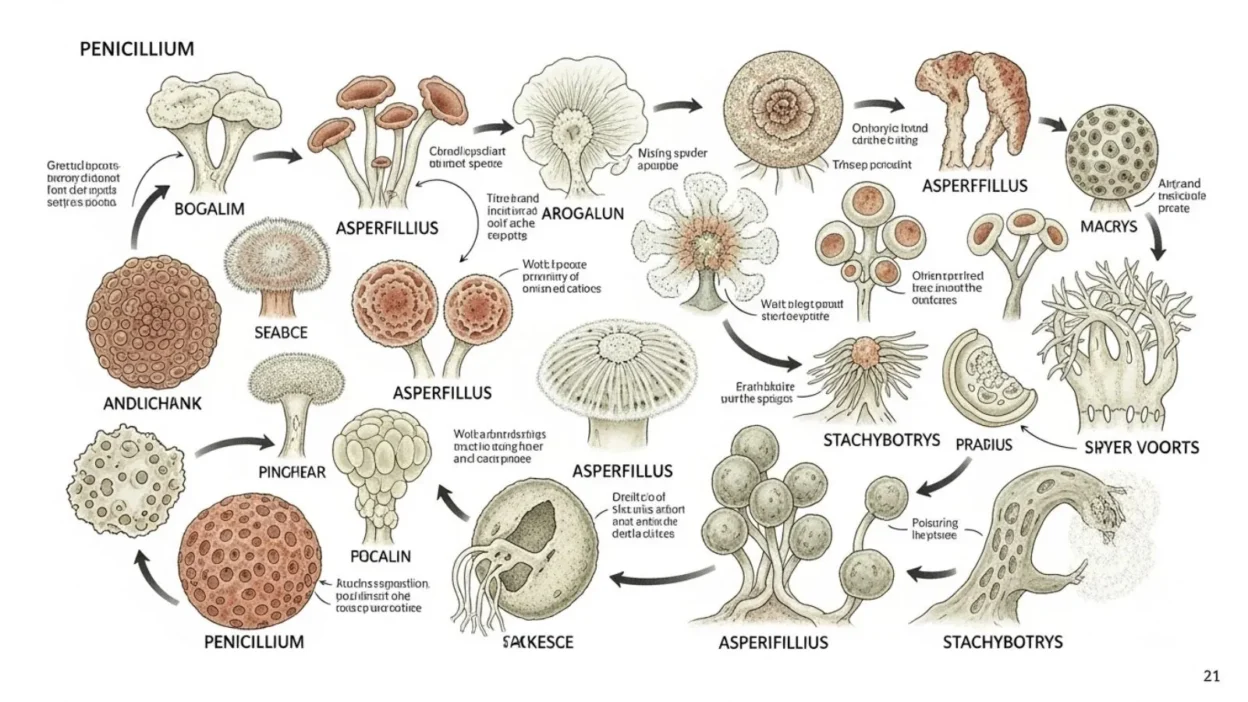
Mold comes in many varieties, each with unique characteristics that can help you identify it. Black mold (Stachybotrys) is one of the most notorious types. It typically appears as dark green to black patches and often grows in areas with chronic moisture, such as leaky roofs, bathrooms, or basements. Black mold is slimy to the touch and can pose serious health risks if left untreated.
Green mold is very common in households, often found on food, walls, and damp surfaces. It usually has a fuzzy texture and can range from light to dark green. While generally less harmful than black mold, prolonged exposure may still trigger allergic reactions.
White mold often looks powdery or fluffy, resembling a thin layer of dust or frost. It tends to grow on damp wood, drywall, or plaster and can be difficult to spot in low-light areas.
Other molds include brown, orange, or pink mold, which typically thrive on wood, wallpaper, or fabrics in humid environments. These molds are usually less toxic but can still cause respiratory irritation and structural damage if ignored.
Recognizing these different types is crucial for early intervention. Knowing whether the mold is black, green, white, or another color, along with its texture—fuzzy, slimy, or powdery—helps determine the proper cleaning or remediation method. By understanding the appearance of common mold types, you can more accurately assess the risk and take prompt action to protect your home and health.
Signs of Mold Beyond Visual Clues
While mold is often identifiable by its color and texture, it can sometimes grow in hidden areas, making visual detection difficult. Fortunately, there are other warning signs that indicate mold may be present in your home. One of the most common indicators is a musty or earthy odor. Even if you cannot see mold, a persistent, unpleasant smell often signals its growth behind walls, under carpets, or inside ventilation systems.
Water damage or discoloration on walls, ceilings, or floors is another key sign. Yellow, brown, or dark stains often point to moisture issues, which create an ideal environment for mold. Similarly, peeling paint or wallpaper can indicate underlying dampness and potential mold growth.
Health symptoms can also be clues. People living in mold-affected spaces may experience allergy-like reactions, such as sneezing, itchy eyes, coughing, or congestion. Those with asthma or weakened immune systems may notice worsening respiratory issues when exposed to mold.
Other subtle indicators include condensation on windows, pipes, or walls, and persistent dampness in basements, bathrooms, or kitchens. Even small leaks, if left untreated, can lead to mold growth over time.
By paying attention to these non-visual signs—odors, water damage, health symptoms, and persistent moisture—you can detect mold problems early, even in hidden areas. Early detection is crucial for preventing structural damage and minimizing health risks, allowing you to take action before the mold spreads.
Health Risks Associated With Mold
Mold exposure can affect your health in both mild and severe ways, depending on the type of mold, the level of exposure, and individual sensitivity. Even seemingly harmless molds can trigger allergic reactions, including sneezing, runny nose, itchy or watery eyes, and skin irritation. These symptoms are particularly common in people who already suffer from allergies or asthma.
Respiratory issues are another concern. Mold spores released into the air can be inhaled, causing coughing, wheezing, shortness of breath, and irritation of the throat and lungs. People with chronic respiratory conditions may experience worsening symptoms when exposed to mold, and children or the older people are especially vulnerable.
Certain types of mold, such as black mold (Stachybotrys), produce mycotoxins that can lead to more serious health effects. Prolonged exposure to toxic molds can result in headaches, fatigue, sinus infections, and even immune system complications. Although rare, extreme cases may contribute to long-term respiratory or neurological problems.
It’s important to note that not everyone reacts the same way to mold. Some individuals may show no symptoms, while others can experience severe reactions from minimal exposure. People with weakened immune systems, existing lung conditions, or chronic illnesses should be especially cautious.
Understanding the health risks associated with mold highlights the importance of early detection and proper removal. Taking proactive steps—like identifying mold visually, addressing moisture problems, and seeking professional remediation when needed—can protect both your health and your home.
How to Safely Identify Mold in Your Home
Identifying mold in your home requires careful observation and safety precautions. While some mold is visible, much of it grows in hidden or hard-to-reach areas, such as behind walls, under carpets, inside air vents, or beneath sinks. Knowing where and how to look is key to effective detection.
Start by inspecting areas prone to moisture. Bathrooms, kitchens, basements, attics, and around plumbing fixtures are common mold hotspots. Look for discoloration, peeling paint, or warped surfaces, as these can indicate underlying mold growth. Check corners, behind furniture, and under sinks for dark, fuzzy, or slimy patches.
Use your senses beyond sight. A musty or earthy odor often signals hidden mold. Pay attention to persistent dampness or condensation, which provides the moisture mold needs to grow.
When inspecting mold, always prioritize safety. Wear protective gear, including gloves, masks, and goggles, to reduce the risk of inhaling spores or contacting skin. Ensure proper ventilation by opening windows or using fans. Avoid directly touching mold with bare hands.
For small, visible patches, you may safely perform DIY identification, but extensive growth or suspicion of toxic black mold should be handled by professionals. Tools like moisture meters or humidity sensors can help locate problem areas behind walls or under flooring.
By following these steps—careful observation, safety precautions, and use of detection tools—you can identify mold early and take appropriate action to prevent its spread, protecting both your home and your health.
Prevention Strategies
Preventing mold in your home is much easier than removing it once it has spread. Since mold thrives in damp, poorly ventilated areas, the first step is controlling moisture. Fix leaks promptly in roofs, walls, or plumbing, and address any water damage immediately. Using dehumidifiers in basements or other humid areas can help maintain indoor humidity below 50%, making it harder for mold to grow.
Ventilation is another key factor in mold prevention. Ensure bathrooms, kitchens, and laundry areas are well-ventilated. Use exhaust fans or open windows when showering or cooking to reduce moisture accumulation. Proper airflow also helps prevent condensation on walls and ceilings.
Regular cleaning and maintenance can prevent mold from taking hold. Wipe down surfaces that are prone to dampness, such as sinks, countertops, and shower tiles. Avoid leaving wet clothes, towels, or sponges lying around, as these can become breeding grounds for mold. Use mold-resistant products, like paints or drywall, in areas that are prone to moisture.
Monitor problem areas frequently. Inspect basements, attics, and crawl spaces for signs of water damage or mold growth, even if none is visible. Early detection allows for simple intervention before mold spreads extensively.
By controlling moisture, improving ventilation, maintaining cleanliness, and monitoring vulnerable areas, you can significantly reduce the risk of mold in your home. Prevention not only protects your property but also safeguards the health of everyone living there, making proactive measures well worth the effort.
When to Call a Professional
While small patches of mold can often be handled with proper cleaning and safety precautions, there are situations where professional help is essential. Extensive mold growth, typically covering more than 10 square feet, requires trained remediation specialists who have the tools and expertise to remove mold safely without spreading spores.
Black mold or other toxic molds should always be handled by professionals. Exposure to toxic mold can pose serious health risks, and improper removal can worsen contamination or release dangerous spores into the air. Certified mold remediation experts can assess the type of mold and determine the safest removal methods.
Structural damage is another indicator that professional intervention is needed. Mold that has penetrated walls, ceilings, or flooring can weaken the integrity of the building materials, and DIY removal may not fully address the underlying problem. Professionals can also identify hidden moisture sources, such as leaks behind walls or under floors, which are often the root cause of recurring mold.
Additionally, if you or anyone in your household experiences severe allergic reactions, respiratory problems, or health complications suspected to be caused by mold exposure, it is wise to involve professionals. They can safely contain, remove, and prevent further growth while protecting your home and health.
Calling a professional ensures that mold is removed thoroughly, underlying moisture issues are addressed, and your living environment remains safe. When in doubt, it is always better to rely on experts rather than risk incomplete remediation or health hazards.
Frequently Asked Questions (FAQs)
1. What does mold look like?
Mold can appear in various colors black, green, white, gray, brown, or orange and textures, including fuzzy, slimy, or powdery patches. It often grows in clusters or streaks in damp areas.
2. Where does mold usually grow in a home?
Common areas include bathrooms, kitchens, basements, attics, behind walls, under sinks, around leaky pipes, and on damp furniture or carpets.
3. Is all mold harmful?
Not all mold is toxic, but many types can cause allergies, respiratory issues, or skin irritation. Black mold (Stachybotrys) is especially harmful and requires professional removal.
4. How can I tell if mold is hidden?
Hidden mold may reveal itself through musty odors, condensation, water stains, or worsening allergy symptoms even if it isn’t visible. Moisture in walls or floors is also a key indicator.
5. Can I remove mold myself?
Small patches of mold can be safely removed using gloves, masks, and cleaning solutions. Extensive growth, toxic black mold, or mold in hidden areas should be handled by certified professionals.
6. How can I prevent mold from returning?
Control moisture by fixing leaks, using dehumidifiers, ensuring proper ventilation, cleaning damp areas regularly, and monitoring vulnerable spaces like basements and bathrooms.
Conclusion:
Mold is a common but potentially serious issue that can affect both your home and health. Recognizing what mold looks like its colors, textures, and growth patterns is the first step in preventing damage and exposure.
From black, green, and white mold to brown and orange varieties, each type has distinct characteristics that help with identification. Beyond visual signs, musty odors, water damage, and health symptoms can also indicate hidden mold.
Early detection, combined with proper prevention strategies such as moisture control, ventilation, and regular inspections, is crucial to keeping mold at bay.
While small patches can often be safely removed at home, extensive or toxic mold infestations require professional remediation.
By staying vigilant and acting promptly, you can protect your living environment, safeguard your family’s health, and prevent costly repairs. Proactive measures make your home a safe, healthy, and mold-free space.