
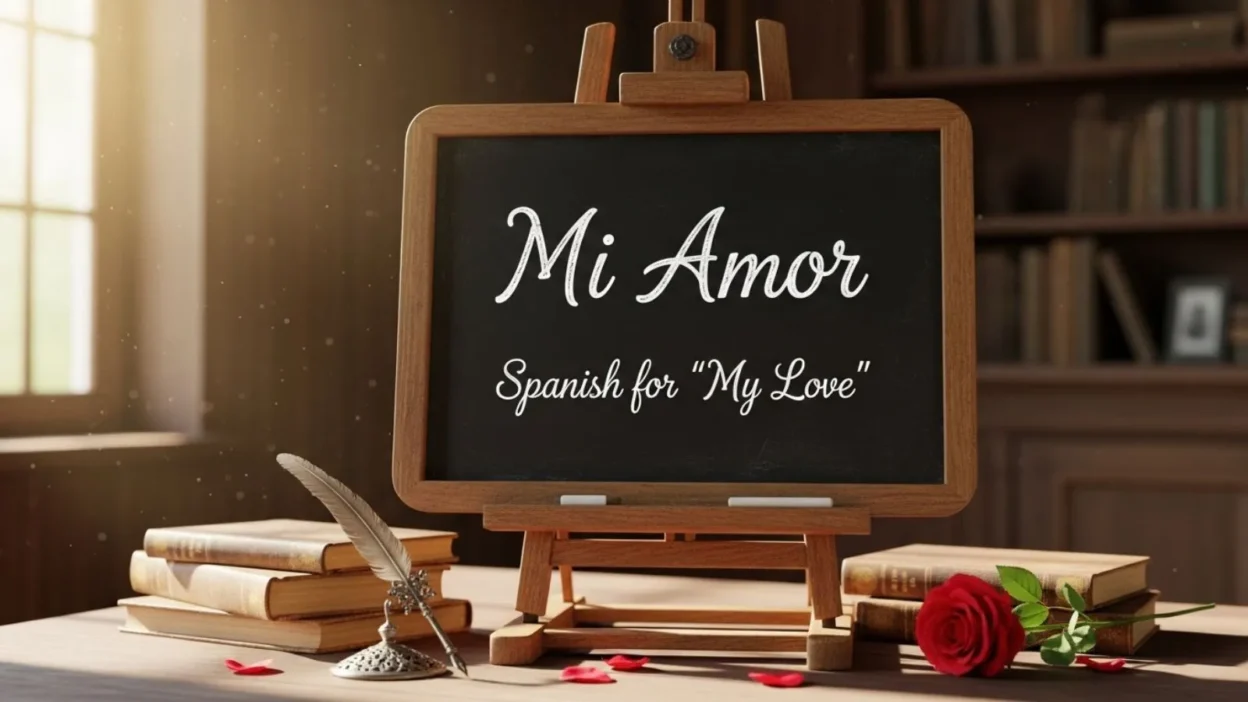
When you hear someone say Mi Amor, it instantly conveys warmth, affection, and love. But what does it really mean, and when should you use it? Mi amor is a popular Spanish phrase that literally translates to my love in English.
While it’s often used romantically between partners, it can also be used in friendly or familial contexts to express care and closeness.
From romantic ballads to everyday conversations and social media captions, this simple phrase has found its way into global culture, making it widely recognized even by non Spanish speakers.
In this article, we’ll explore the meaning of mi amor, its cultural significance, common usage, and tips on using it correctly. If you’re learning Spanish, curious about its romantic charm, or just want to understand the phrase better, this guide will help you use mi amor confidently and appropriately in any context.
Literal Meaning of Mi Amor
The phrase “mi amor” is one of the most widely recognized expressions in the Spanish language, and its literal meaning is quite simple: “my love.” It is composed of two words: “mi”, which means “my”, and “amor”, which translates to “love.” When combined, they form a term of endearment used to address someone you care deeply about.
While the literal translation is straightforward, the emotional impact of the phrase can vary depending on context. In a romantic relationship, “mi amor” conveys deep affection and intimacy, similar to calling someone “my sweetheart” or “my darling” in English. However, its use is not limited to romantic partners. In many Spanish-speaking cultures, parents may call their children “mi amor”, and close friends might use it to show warmth and care.
Understanding the literal meaning also helps non-Spanish speakers grasp why the phrase feels so personal and heartfelt. Unlike some English terms, “mi amor” carries a natural sense of closeness, making it versatile yet emotionally powerful. By learning the literal meaning, you can better appreciate its emotional weight and use it correctly in conversation, messages, or even in social media posts.
In the next section, we’ll explore the origins and cultural significance of “mi amor”, which will help you understand why it’s so beloved across Spanish-speaking countries.
Origins and Cultural Significance of Mi Amor
The phrase “mi amor” has deep roots in the Spanish language and culture, reflecting the way Spanish-speaking societies express affection. While the exact origin is difficult to pinpoint, the combination of “mi” (my) and “amor” (love) has been a natural part of Spanish expressions of endearment for centuries, appearing in literature, poetry, and everyday speech. Its usage is not limited to romantic contexts; it has been embraced across family, friendships, and intimate relationships, demonstrating the cultural value placed on emotional expression.
In many Spanish-speaking countries, openly showing love and affection is considered both normal and important. Parents often call their children “mi amor” to convey tenderness, and couples use it to express romantic attachment. Even close friends sometimes employ it to reinforce bonds of trust and care. Compared to English, which often reserves terms like “my love” for romantic situations, Spanish culture allows for a broader, more flexible use of affectionate language.
Beyond everyday conversation, “mi amor” has become a cultural symbol through music, literature, and film. Latin songs and telenovelas frequently use it, contributing to its global recognition. Its presence in popular culture has made it not only a linguistic expression but also a symbol of passion, warmth, and connection. Understanding its origins and significance allows learners and non-native speakers to use “mi amor” with authenticity and cultural awareness.
Common Uses of Mi Amor in Everyday Life
The phrase “mi amor” is widely used in everyday conversations across Spanish-speaking countries, making it one of the most versatile and beloved terms of endearment. While many associate it primarily with romantic relationships, its use extends beyond couples, reflecting warmth, care, and emotional connection in multiple contexts.
In romantic relationships, partners often use “mi amor” to express love and affection. For example, a spouse might greet their partner with, “Hola, mi amor” (“Hello, my love”), or send a text saying, “Te extraño, mi amor” (“I miss you, my love”). The phrase carries intimacy, making it a natural choice for daily expressions of care.
Outside romance, parents frequently use it for their children, highlighting tenderness and protection. Saying “Ven aquí, mi amor” (“Come here, my love”) conveys affection while maintaining a nurturing tone. Similarly, close friends may use it playfully to show appreciation or camaraderie, particularly in Latin American cultures where affectionate language is common among friends.
Even in social media and texting, “mi amor” is widely used to caption photos, send greetings, or share messages of encouragement. Its flexibility makes it suitable for many situations, but context is key: using it with someone who doesn’t share a close bond can seem overly familiar or awkward.
Understanding these common uses helps learners and non-Spanish speakers use “mi amor” naturally and appropriately, whether in romantic, familial, or friendly settings.
Popular Culture References of Mi Amor
The phrase “mi amor” is not only a staple of everyday conversation but also a prominent feature in popular culture. Its emotional resonance has made it a favorite in music, movies, television, and social media, contributing to its widespread recognition even outside Spanish-speaking communities.
In music, Latin artists frequently use “mi amor” in lyrics to express love and longing. From romantic ballads to upbeat reggaeton tracks, the phrase appears in songs by stars like Luis Fonsi, Shakira, and Alejandro Sanz. Its melodic pronunciation fits naturally into song lyrics, making it instantly recognizable and emotionally powerful for listeners.
In movies and television, especially telenovelas, “mi amor” is used to heighten dramatic and romantic scenes. Characters often address each other with the phrase to express deep affection, jealousy, or passion, reinforcing cultural norms around emotional expression. Even Hollywood productions featuring Spanish-speaking characters occasionally incorporate it to lend authenticity.
On social media, “mi amor” has become a popular caption for photos, selfies, and love notes. People post messages to partners, friends, and family, often paired with emojis or hashtags, highlighting its universal appeal. Memes and viral content also use the phrase humorously or affectionately, increasing its visibility among younger audiences worldwide.
The presence of “mi amor” in popular culture has helped it transcend language barriers. Even those who don’t speak Spanish often understand its meaning as a term of love and care. By observing how it’s used in songs, media, and online, readers can better appreciate its emotional depth and cultural importance.
Differences Between Romantic and Friendly Use of Mi Amor
One of the most important aspects of “mi amor” is understanding when it is romantic and when it is friendly, as context greatly influences its meaning. While the phrase literally means “my love,” it is not always used in a romantic sense, which can be confusing for non-native speakers.
In romantic contexts, “mi amor” is directed toward a partner or someone with whom there is a romantic connection. It expresses affection, intimacy, and emotional closeness. Examples include greeting a spouse with, “Buenos días, mi amor” (“Good morning, my love”) or sending a heartfelt text, “Te quiero mucho, mi amor” (“I love you very much, my love”). In these situations, the phrase conveys a deep, personal connection and is often accompanied by physical affection or loving gestures.
In friendly or familial contexts, the meaning is softer and more platonic. Parents often call their children “mi amor” as a term of endearment, signaling care and protection. Friends may also use it playfully or warmly, particularly in Latin American cultures where affectionate language is common among peers. For example, a friend might say, “Gracias por ayudarme, mi amor” (“Thanks for helping me, my love”) without any romantic intention.
The key to using “mi amor” correctly lies in understanding the relationship and cultural context. Misusing it with someone unfamiliar can seem overly intimate or inappropriate, while using it with someone close can strengthen bonds. Recognizing the difference ensures that the phrase is received as intended—either romantically or affectionately.
Comparison with English Terms
The Spanish phrase “mi amor” is often translated into English as “my love,” “sweetheart,” or “darling,” but understanding the subtle differences helps convey the right tone. While these English terms carry similar meanings, the emotional nuance and cultural usage can vary.
In English, phrases like “my love” or “darling” are primarily romantic and are often reserved for spouses or significant others. Using them outside a romantic context—such as with friends or acquaintances—can feel unusual or overly formal. In contrast, “mi amor” in Spanish is more flexible. While romantic use is common, it is also frequently used by parents toward children, close friends, and even in friendly or casual conversations, reflecting a broader cultural comfort with affectionate language.
The tone of “mi amor” can also be more intimate and personal compared to English equivalents. Its use conveys warmth, closeness, and emotional connection in a way that is natural and effortless in Spanish. For instance, saying “Gracias por ayudarme, mi amor” (“Thanks for helping me, my love”) can feel tender but not necessarily romantic, something English speakers might find harder to replicate naturally.
Additionally, English speakers often rely on context and intonation to distinguish meaning, whereas in Spanish, “mi amor” carries built-in flexibility. By understanding these nuances, learners can use the phrase appropriately and authentically, ensuring it feels heartfelt without crossing cultural boundaries.
How to Use Mi Amor Correctly
Using “mi amor” correctly is all about understanding context, relationship, and tone. While the phrase literally means “my love,” its appropriateness depends on whether you’re speaking to a romantic partner, family member, or friend.
For romantic partners, “mi amor” is a natural and heartfelt term of endearment. You can use it in greetings, messages, or conversations to express affection and intimacy. Examples include:
- “Buenos días, mi amor” (“Good morning, my love”)
- “Te extraño, mi amor” (“I miss you, my love”)
- “Eres todo para mí, mi amor” (“You are everything to me, my love”)
With family, particularly children, “mi amor” conveys warmth and care. Parents might say:
- “Ven aquí, mi amor” (“Come here, my love”)
- “Duerme bien, mi amor” (“Sleep well, my love”)
Among friends, its use is more playful or affectionate. Close friends may say:
- “Gracias por ayudarme, mi amor” (“Thanks for helping me, my love”)
- “Qué lindo gesto, mi amor” (“What a sweet gesture, my love”)
Tips for non-native speakers:
- Only use mi amor with someone you know well or have a close relationship with.
- Pay attention to context romantic, familial, or friendly.
- Combine it with gestures, tone, or text emojis for natural expression.
- Avoid using it with strangers, as it may seem overly familiar or inappropriate.
Mastering these nuances ensures “mi amor” is received as intended, making your interactions more authentic and heartfelt.
Fun Ways to Incorporate Mi Amor
The phrase “mi amor” isn’t just for serious conversations—it can also be used creatively and playfully in everyday life. Using it in fun ways helps strengthen bonds, express affection, and even add charm to messages or social media posts.
One simple way is through texting or messaging. Sending a short message like “¡Hola, mi amor! 😘” brightens someone’s day and adds a personal touch. You can also use it in playful greetings with friends or family, such as “¡Qué linda sorpresa, mi amor!” (“What a lovely surprise, my love”), showing warmth without romantic intent.
Another approach is to explore variations and diminutives.
For example:
- Mi amorcito a cute, affectionate version often used with children or romantic partners
- Mi vida literally my life, commonly used in romantic or intimate contexts
- Mi cielito my little sky/heaven, a poetic and playful term of endearment
Social media also offers creative possibilities. Captions like “Tiempo contigo, mi amor ❤️” (“Time with you, my love”) or memes featuring the phrase are popular ways to share affection publicly.
For language learners, incorporating “mi amor” into daily practice can be both fun and educational. Try using it in short phrases, role-playing conversations, or even writing notes to loved ones. This not only improves Spanish fluency but also helps you understand the emotional nuances of the phrase.
Using “mi amor” creatively ensures your expression of affection feels heartfelt, versatile, and culturally authentic.
Frequently Asked Questions About ‘Mi Amor’
Many people have questions about “mi amor”, especially those learning Spanish or encountering the phrase in everyday life. Here are some of the most common questions and answers:
1. Is “mi amor” always romantic?
Not necessarily. While it is often used romantically, parents, family members, and close friends also use it as a term of endearment. Context and relationship determine its meaning.
2. Can people use it?
Yes. “Mi amor” is gender-neutral in usage. Both people can address someone with the phrase, regardless of gender, without changing the words.
3. Is it appropriate for strangers?
Typically, no. Using “mi amor” with someone you don’t know well can seem overly familiar or even inappropriate. It is best reserved for people you have a close bond with.
4. How is it pronounced?
Mi is pronounced like mee, and amor is pronounced “ah-MOR,” with emphasis on the second syllable. Saying it with warmth makes it sound natural.
5. Do different countries use it differently?
Yes. In some Latin American countries, affectionate language is very common among friends, while in others, it’s mostly reserved for romantic or familial contexts. Understanding local norms can help avoid misunderstandings.
6. Are there variations of mi amor?
Yes! Variations include “mi amorcito”, “mi vida”, and “mi cielito”, each adding a playful, intimate, or poetic touch.
Conclusion:
The phrase mi amor is more than just a literal translation of my love it is a versatile expression of affection deeply rooted in Spanish language and culture.
If used romantically between partners, affectionately by parents to children, or playfully among friends, it conveys warmth, care, and emotional connection. Its widespread presence in songs, movies, and social media has made it recognizable worldwide, even to those who don’t speak Spanish.
Understanding the literal meaning, cultural context, and correct usage ensures that you can use “mi amor” naturally and authentically.
Paying attention to relationships, context, and tone allows the phrase to strengthen bonds rather than cause confusion.
By exploring fun variations, practical examples, and everyday uses, anyone can confidently incorporate mi amor into conversations, texts, or captions. Ultimately, this simple yet powerful phrase reminds us of the importance of expressing love and affection in ways that are heartfelt and meaningful.

The author behind RiddleBurst.com loves creating fun, clever, and unique riddles for all ages. Their goal is to challenge minds, bring smiles, and make learning through riddles both engaging and enjoyable.