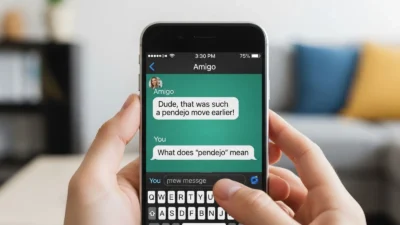

In today’s fast paced digital world, acronyms and internet slang have become a major part of online conversations.
One acronym that has been popping up across social media, gaming chats, and texting platforms is JOI. If you’ve seen it and wondered, What does JOI mean?, you’re not alone.
Understanding acronyms like JOI is essential, as their meanings can vary depending on the context and platform.
While some online slang is lighthearted and fun, others may carry more niche or sensitive interpretations.
This blog will break down the meaning of JOI, explore its different uses in texting, social media, and online communities, and provide tips on how to recognize the context before using it yourself.
By the end, you’ll have a clear understanding of JOI, so you can confidently navigate conversations without confusion or awkward misunderstandings.
What JOI Stands For
The acronym JOI can be confusing because its meaning often depends on the context in which it’s used. At its core, JOI stands for “Jerk Off Instruction” in adult or NSFW contexts. This is the meaning most commonly found in certain online communities, adult forums, and niche content. Because of this, JOI is considered sensitive and is not appropriate for casual or professional conversations.
However, outside of these contexts, JOI can also be used in more neutral or playful ways, depending on social groups or platforms. Some people may encounter JOI in online chats, gaming communities, or social media where it’s used jokingly or as part of memes. In these cases, the meaning might shift slightly, and users often rely on the surrounding conversation to interpret it correctly.
It’s also important to note that, like many internet acronyms, JOI’s meaning has evolved over time. New generations of internet users may adopt the term in different ways, sometimes completely unrelated to its original usage. This makes it essential to consider the context before reacting or using JOI yourself.
Understanding what JOI stands for can help prevent misunderstandings and ensure that you are using online slang safely and appropriately. Knowing the distinction between its adult and casual meanings is key to navigating conversations without confusion.
JOI in Social Media and Texting
JOI has become a term that occasionally pops up on social media platforms and in texting conversations, which can leave some people puzzled. In social media contexts like Twitter, Instagram, TikTok, or Discord, JOI is often used either jokingly, in memes, or in communities where users are familiar with its NSFW meaning. For someone unfamiliar with the term, seeing JOI in a comment, caption, or direct message can be confusing or even alarming.
In texting, the acronym may appear in casual conversations among friends who understand its intended meaning. Some may use it sarcastically or as a humorous exaggeration, while others may reference the original adult content context directly. This duality in usage makes JOI a term that relies heavily on context. Without knowing the audience or platform, it’s easy to misinterpret.
It’s also worth noting that JOI is not a mainstream acronym like LOL or BRB. Its usage is more niche, meaning it’s more likely to appear in private messages, specific online groups, or content targeting adult audiences. When encountering JOI, readers should take a moment to assess the conversation before responding. Misunderstanding the term can lead to awkwardness or embarrassment, especially if someone interprets it literally without recognizing the slang context.
By understanding how JOI functions in social media and texting, users can better navigate online communication and avoid potential miscommunications or inappropriate responses.
JOI in Gaming and Online Communities
In gaming and online communities, acronyms like JOI are often used in chat rooms, forums, and streaming platforms. While some gamers might encounter JOI jokingly in memes or casual discussions, in many cases, it carries the same adult-oriented meaning found in other online spaces. Because these communities often thrive on inside jokes and niche references, understanding the context is key to interpreting the term correctly.
On platforms like Discord, Twitch, or Reddit, JOI might appear in private chats, comment threads, or discussion boards. Within these spaces, users familiar with the term’s meaning may use it casually or humorously. However, newcomers or younger audiences might be unaware of the acronym’s implications, leading to potential misunderstandings. This is why it’s important to read the surrounding conversation carefully before reacting.
It’s also common for JOI to appear in memes or shared content among gaming communities. In these cases, it might be referenced in a playful or exaggerated way, without explicitly carrying its adult meaning. This dual usage highlights how flexible internet slang can be, and why context matters more than the acronym itself.
Overall, JOI’s presence in gaming and online communities shows how slang evolves and spreads across different platforms. By being aware of its meaning and usage, gamers and online users can engage in conversations responsibly, avoiding awkward situations while still enjoying the humor and camaraderie of online communities.
Misunderstandings and Confusions About JOI
One of the main reasons JOI can be confusing is that its meaning depends heavily on context, which is often missing in casual online interactions. Many people see the acronym and immediately wonder if it’s harmless slang, a meme, or something adult-oriented. Without clarity, it’s easy to misinterpret, which can lead to awkward or uncomfortable situations.
A common misunderstanding is assuming JOI is just a casual or funny term like LOL or BRB. While it may be used jokingly in some communities, JOI originally refers to adult content, so assuming it’s always lighthearted can be misleading. Conversely, some users unfamiliar with the adult meaning might overreact when they see the acronym in a playful context, creating unnecessary tension in online conversations.
Another point of confusion comes from its similarity to other acronyms. For example, JOI could be misread as an abbreviation for a person’s name or a completely unrelated term. Online slang evolves quickly, and the same acronym may mean different things to different age groups or communities.
Understanding JOI requires paying attention to the platform, the people involved, and the overall tone of the conversation. By considering these factors, users can avoid miscommunication, use the term appropriately if needed, and respond confidently when they encounter it. Recognizing the potential for confusion helps maintain smooth and respectful online interactions.
JOI in Pop Culture
While JOI originated as an internet slang acronym, it has also made appearances in pop culture, especially in online content, memes, and niche entertainment communities. Its spread across social media platforms like TikTok, Instagram, and Twitter has introduced it to audiences who may not be familiar with its original meaning, sometimes giving it a more humorous or exaggerated interpretation.
Memes often play a significant role in shaping how acronyms like JOI are perceived. For instance, in certain meme formats, JOI may be referenced jokingly without any serious adult connotation, creating a more playful version of the term. This shows how pop culture can transform and even soften the meaning of slang over time.
Online content creators and streamers have also contributed to JOI’s visibility. In some gaming or community videos, JOI may appear as part of jokes, parodies, or commentary. However, creators often rely on the audience understanding the term’s original meaning, which can make it confusing for newcomers.
Pop culture also highlights the generational differences in understanding internet acronyms. Older users may associate JOI strictly with its adult context, while younger users might encounter it as a meme or part of casual online humor. Recognizing these differences is crucial for interpreting the acronym correctly.
Overall, JOI’s presence in pop culture illustrates how internet slang can evolve, cross boundaries, and gain new meanings, depending on how and where it is used. Being aware of these cultural references helps users navigate conversations more effectively.
Safety and Caution While Using JOI
Because JOI has meanings that can be adult-oriented, it’s important to exercise caution when encountering or using the acronym. Misusing JOI in the wrong context can lead to awkwardness, embarrassment, or even more serious consequences, especially if it appears in professional or public settings.
When using JOI online, always consider the audience and platform. In private chats among friends who understand the slang, it may be acceptable. However, using JOI in public social media posts, work-related chats, or spaces with minors is strongly discouraged. Context is everything, and failing to recognize it can create misunderstandings or discomfort.
Another key tip is to be aware of the potential NSFW associations of the term. Some users may share JOI content or references intended for adult audiences. Clicking or engaging with such content unknowingly can expose you to material you may not want to see. Being cautious and informed helps maintain online safety.
Additionally, when communicating with new acquaintances online, it’s better to avoid using acronyms like JOI until you’re certain they understand the meaning and context. Miscommunication in digital spaces can escalate quickly, so a little caution goes a long way.
Ultimately, understanding JOI’s sensitive and niche uses ensures responsible online communication. Awareness of its adult connotations, combined with careful consideration of where and with whom you use it, allows you to enjoy internet slang safely without risking awkward or inappropriate situations.
FAQs About JOI
1. What does JOI mean in texting?
In texting, JOI is often used as an acronym for “Jerk Off Instruction”, which is an adult-oriented term. However, some users may reference it jokingly or as part of memes, so the meaning can vary depending on the conversation.
2. Is JOI appropriate in professional conversations?
No. JOI is generally considered NSFW, so it is not suitable for professional or formal settings. Using it in work-related chats or public forums can lead to misunderstandings or even disciplinary actions.
3. Can JOI have different meanings?
Yes. While its most common meaning is adult-related, JOI can also appear in memes, jokes, or casual online chats where it’s used playfully. Context is critical to understanding how it’s being used.
4. How do I respond if someone says JOI?
Before responding, assess the context carefully. If it appears in a private conversation among friends familiar with internet slang, a lighthearted response may be okay. In public or unfamiliar settings, it’s safer to ignore or avoid engaging with it.
5. Where is JOI commonly used?
JOI is most commonly found in social media, gaming communities, private messaging, and certain adult forums. It’s less likely to appear in mainstream conversations unless someone is familiar with internet slang.
6. How can I avoid misunderstanding JOI?
Always consider the audience, platform, and tone of the conversation. If in doubt, look at surrounding messages or avoid using the term until you understand the context.
Conclusion:
Understanding acronyms like JOI is essential in today’s digital world, where internet slang spreads quickly across social media, gaming communities, and texting platforms.
While JOI is commonly known as “Jerk Off Instruction” in adult contexts, its meaning can shift depending on the platform, audience, or even memes circulating online.
Misunderstanding or misusing JOI can lead to awkwardness, embarrassment, or inappropriate situations, which is why context is key.
By being aware of where and how JOI is used, you can navigate online conversations more confidently and responsibly.
Recognizing its sensitive or NSFW connotations, combined with careful consideration of the audience, ensures that your interactions remain respectful and appropriate.
If you encounter JOI in memes, chat messages, or niche communities, understanding its meanings empowers you to respond correctly and avoid misunderstandings.
Staying informed about online slang like JOI helps you communicate clearly and confidently in the ever-evolving world of digital language.