
You may have heard the term gaslighting used frequently in conversations, social media debates, or discussions about relationships and mental health.
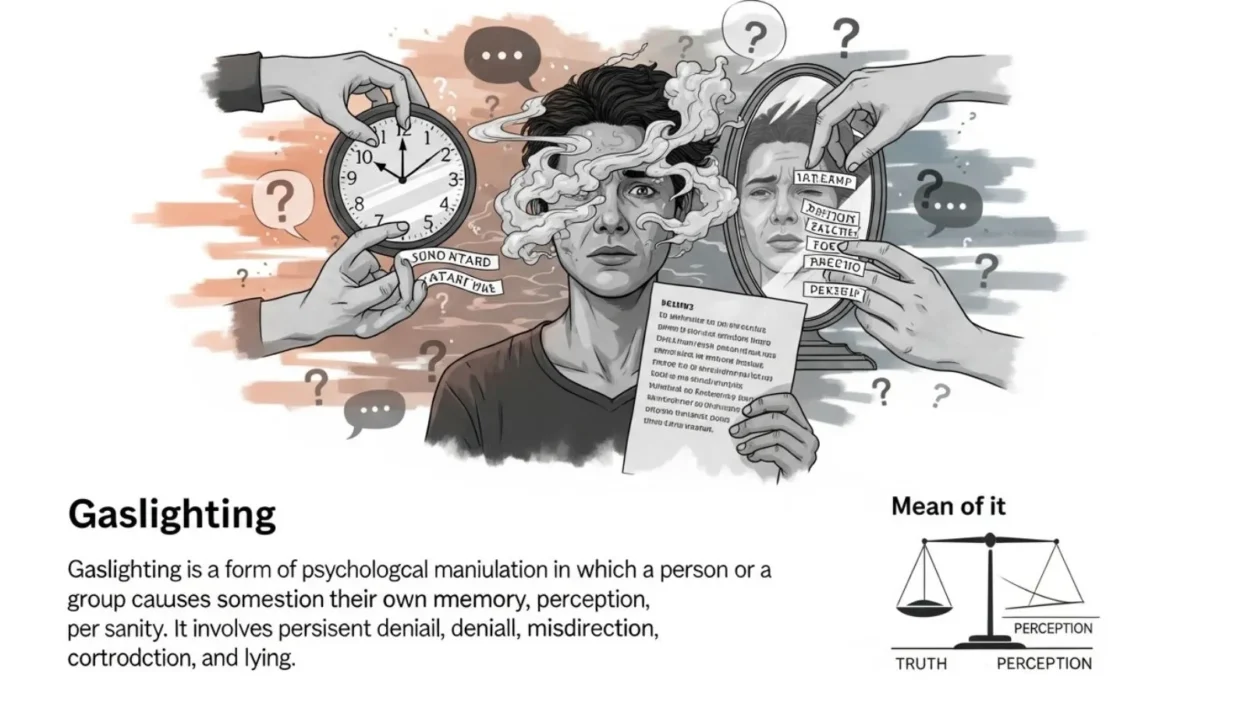
But many people still wonder, what does it mean to gaslight someone?, and why is it considered such a serious behavior? Gaslighting is a form of psychological manipulation in which one person causes another to question their own memories, perceptions, or sense of reality.
Over time, this tactic can create confusion, self doubt, and emotional dependence, making it difficult for the victim to trust their own judgment.
Although the term has become popular online, its meaning goes far beyond everyday disagreements or misunderstandings.
Understanding gaslighting is important because it helps people recognize unhealthy communication patterns and protect their emotional well being.
In this guide, we’ll explore the true definition of gaslighting, how it works, common signs and examples, and practical ways to respond if you experience it in real life.
Gaslighting Meaning Simple Definition
Gaslighting is a form of emotional and psychological manipulation in which a person intentionally makes someone doubt their own thoughts, memories, or perception of events. When someone gaslights another person, they often deny things that clearly happened, twist facts, or shift blame to create confusion. Over time, the targeted person may begin to question their own judgment and rely more heavily on the manipulator for a sense of reality.
In simple terms, gaslighting happens when someone tries to make you feel like your experiences or feelings are wrong or imagined. For example, a person might say, “That never happened,” or “You’re just overreacting,” even when there is clear evidence proving otherwise. These statements are not just disagreements — they are attempts to reshape how another person understands reality.
From a psychological perspective, gaslighting is considered a harmful behavior because it undermines confidence and emotional stability. Unlike normal arguments, where both people express different viewpoints, gaslighting involves repeated patterns of denial and distortion meant to gain control or avoid responsibility. The manipulator may present themselves as calm or logical while portraying the other person as confused or overly emotional.
Today, the term is widely used online, but true gaslighting involves consistent manipulation rather than a single disagreement or misunderstanding. Recognizing the real meaning of gaslighting helps people identify unhealthy interactions and understand when communication crosses the line into emotional abuse or psychological control.
Origin of the Term Gaslighting
The term gaslighting did not originally come from psychology — it comes from classic theater and film. The word gained popularity from the 1938 stage play Gas Light, which was later adapted into the famous 1944 movie Gaslight. In the story, a husband manipulates his wife into believing she is losing her sanity by secretly dimming the gas-powered lights in their home and then denying that any change has occurred. Whenever she notices something strange, he insists she is imagining things, slowly causing her to doubt her own perception of reality.
This storyline perfectly illustrated a powerful form of psychological manipulation. Over time, psychologists and mental health professionals adopted the term “gaslighting” to describe similar behaviors in real-life relationships. The concept became especially relevant in discussions about emotional abuse, control, and manipulation.
As psychology evolved in the mid-20th century, experts began recognizing that manipulation is not always obvious or aggressive. Instead, it can be subtle and gradual, happening through repeated denial, contradiction, and emotional invalidation. The term “gaslighting” became useful because it captured how manipulation can distort someone’s confidence in their own memory and judgment.
In recent years, the word has entered everyday language and is commonly used on social media and in popular culture. However, its original meaning remains important: gaslighting refers to a consistent pattern of behavior designed to make another person question reality, not simply a disagreement or difference of opinion. Understanding the origin helps clarify why gaslighting is considered a serious psychological issue rather than just a communication problem.
How Gaslighting Works (Psychological Mechanism)
Gaslighting is not usually a single event but a gradual psychological process that develops over time. It works by slowly weakening a person’s confidence in their own memory, perception, and emotional reactions. The manipulator often begins with small acts of denial or contradiction, which may seem harmless at first. However, as these behaviors repeat, they create confusion and self-doubt in the other person.
The process typically starts with denial. A gaslighter may refuse to acknowledge something they said or did, even when the other person clearly remembers it. Next comes distortion, where facts are twisted or rewritten to make the victim appear mistaken or overly sensitive. Over time, the manipulator may add blame-shifting, suggesting that the problem exists because the other person is forgetful, emotional, or irrational.
One reason gaslighting is effective is that it often occurs within relationships built on trust, such as romantic partnerships, friendships, or family connections. Because people naturally trust those close to them, they may begin to question themselves instead of the manipulator. This repeated confusion can lead to emotional dependence, where the victim starts relying on the gaslighter to define what is “true.”
Psychologically, gaslighting exploits normal human tendencies, including the desire for harmony and validation. As self-confidence decreases, the person being gaslighted may stop challenging false claims altogether. Understanding how this mechanism works is important because recognizing the pattern is often the first step toward breaking free from manipulation and restoring personal confidence.
Common Examples of Gaslighting
Gaslighting can appear in many areas of daily life, and it often looks subtle rather than obvious. Because it usually happens through repeated conversations and behaviors, many people do not recognize it immediately. Understanding real world examples can make it easier to identify when normal disagreements cross into manipulation.
In romantic relationships, gaslighting may occur when one partner denies hurtful actions or shifts blame during arguments.
For Example:
A person might say, I never said that, or You’re too sensitive, after making a clearly disrespectful comment. Over time, the other partner may begin to doubt whether their feelings are valid.
Gaslighting can also happen within families. A parent or relative might dismiss someone’s memories or emotions by saying things like, You always exaggerate, or That wasn’t a big deal, even when the experience was genuinely upsetting. This repeated invalidation can make individuals question their emotional responses.
In the workplace, a manager or coworker might deny giving instructions or claim an employee misunderstood directions to avoid responsibility for mistakes. This can leave the employee feeling confused and insecure about their performance.
Even in friendships, gaslighting may appear when someone consistently rewrites events or minimizes another person’s concerns to avoid accountability. While occasional misunderstandings are normal, gaslighting involves a consistent pattern designed to create doubt and maintain control. Recognizing these everyday examples helps people better understand how manipulation can quietly develop in different types of relationships.
Signs Someone Is Gaslighting You
Recognizing gaslighting can be challenging because the behavior is often subtle and gradual. Unlike obvious arguments or conflicts, gaslighting slowly erodes your confidence and makes you question your perception of reality. Knowing the signs is essential for protecting your emotional and mental well-being.
One of the most common signs is frequent denial of events or statements. A gaslighter may insist that something never happened, even when you clearly remember it. They may also claim, “You’re imagining things” or “You’re overreacting,” which can make you doubt your own memory and feelings.
Another key sign is blame-shifting. Instead of taking responsibility for their actions, the manipulator consistently blames you for problems or conflicts. This pattern can create guilt and confusion, making you feel responsible for issues that are not your fault.
Emotional invalidation is also a warning signal. If someone frequently dismisses or minimizes your feelings, calling them irrational or dramatic, it may indicate gaslighting. Over time, repeated invalidation can lower your self-esteem and make you feel like your emotional responses are wrong.
Other signs include constant confusion, feeling like you can’t make decisions without their input, and noticing that your self-confidence diminishes over time. You may also feel isolated from friends or family because the gaslighter tries to control who you trust.
By paying attention to these patterns, you can start to recognize unhealthy interactions and take steps to protect yourself from emotional manipulation before it causes long term damage.
Why Do People Gaslight Others?
Gaslighting is not just random cruelty; it is often a deliberate tactic used to gain control, avoid responsibility, or manipulate someone for personal benefit. Understanding why people gaslight others can help victims recognize the behavior and respond more effectively.
One of the most common reasons is a desire for control and power. Gaslighters often want to dominate situations and relationships, making others rely on them to define reality. By causing confusion and self-doubt, they create a dynamic where the victim becomes emotionally dependent, giving the gaslighter greater influence.
Another reason is avoidance of accountability. People who gaslight may refuse to admit mistakes, take responsibility, or face consequences for their actions. By denying events, twisting facts, or blaming the other person, they protect themselves from criticism or guilt.
Egotistical tendencies are frequently associated with gaslighting. Narcissists seek validation and superiority, and manipulating others’ perceptions helps reinforce their sense of control and self-importance. Similarly, insecurity can drive someone to gaslight: by undermining another person, they feel more confident or less threatened.
In some cases, gaslighting is a learned behavior. Individuals who grew up in environments where emotional manipulation was normalized may unconsciously repeat these patterns in adulthood. While intent can vary, the effect is consistently harmful.
Recognizing these motivations is important because it highlights that gaslighting is rarely about a simple disagreement or miscommunication. Instead, it is a pattern of behavior rooted in control, avoidance, narcissism, or insecurity, which can seriously impact a victim’s emotional health if left unchecked.
Psychological Effects of Gaslighting
Gaslighting can have serious and lasting effects on a person’s mental and emotional well-being. Because it systematically undermines a person’s perception of reality, it can leave victims feeling confused, insecure, and emotionally drained. Understanding these effects is crucial for identifying gaslighting and seeking help.
One of the most immediate impacts is anxiety and self-doubt. When someone repeatedly denies your memories or emotions, it can cause you to question yourself constantly. Victims often feel uncertain about their decisions, judgments, or even basic perceptions, which can create chronic stress and worry.
Loss of confidence and self-esteem is another common outcome. Over time, victims may internalize the gaslighter’s criticisms and start believing they are overly sensitive, forgetful, or incapable. This erosion of self-worth can affect personal and professional life, making it harder to assert boundaries or pursue goals.
Emotional dependency often develops as a result. The victim may begin relying on the gaslighter to define what is “true,” giving the manipulator increased control over their thoughts and actions. This dependency can make it difficult to leave unhealthy relationships or seek outside perspectives.
In the long term, gaslighting can contribute to depression, feelings of isolation, and identity confusion. Victims may struggle to trust themselves, their memory, or even other people. Recognizing these psychological effects is the first step toward recovery. Therapy, support systems, and self-education about gaslighting can help victims regain confidence, rebuild their sense of reality, and protect their emotional health from further manipulation.
Gaslighting vs Manipulation What’s the Difference?
While gaslighting is a form of manipulation, not all manipulation qualifies as gaslighting. Understanding the difference is important to identify unhealthy behaviors and protect yourself effectively.
Manipulation is a broad term that refers to influencing or controlling someone, often subtly, to achieve a personal goal. It can take many forms, such as persuasion, guilt-tripping, flattery, or withholding information. Not all manipulation is inherently harmful; sometimes, it can be part of negotiation, leadership, or everyday social interactions.
Gaslighting, on the other hand, is a specific type of psychological manipulation aimed at making someone question their own reality. Unlike general manipulation, gaslighting systematically targets a person’s perception, memory, and emotions to gain control or avoid accountability. For example, a manipulative coworker might try to influence you to agree with their project ideas, but a gaslighter would consistently deny instructions, rewrite facts, or make you doubt your own judgment to destabilize you.
Another key difference is intent and pattern. Manipulation may be situational, one-off, or mild, while gaslighting usually involves repeated patterns over time. Gaslighters often have a clear motive: to create confusion, dependency, or self-doubt, making the victim easier to control.
Understanding this distinction helps in identifying harmful behaviors. While manipulation can be recognized and managed with assertiveness, gaslighting often requires more deliberate action, such as setting firm boundaries, documenting interactions, or seeking external support. Recognizing gaslighting as a serious psychological tactic is essential for maintaining mental and emotional well being.
Gaslighting Phrases and Tactics
Gaslighting often operates through subtle but consistent patterns of speech and behavior designed to confuse, control, and manipulate. Recognizing the common phrases and tactics can help you identify when someone is attempting to undermine your perception of reality.
One of the most common tactics is denial. Gaslighters may insist that events or conversations never happened, even when there is clear evidence. Phrases like “That never happened” or “You’re imagining things” are used to make the victim doubt their memory.
Another tactic is minimization, where the gaslighter downplays your feelings or experiences. Statements like “You’re overreacting” or “You’re too sensitive” make the victim question the validity of their emotions. Over time, repeated minimization can erode self-esteem and increase emotional dependence on the manipulator.
Blame-shifting is also common. Gaslighters often turn situations around, making you feel responsible for their actions or mistakes. For example, “This wouldn’t have happened if you had done X” redirects accountability away from them and onto you.
Contradiction and misinformation are other methods. Gaslighters may repeatedly provide false information or contradict facts to create confusion. They may also use selective memory, remembering events differently or “forgetting” key details to control the narrative.
Lastly, some gaslighters employ projection, accusing the victim of behaviors or intentions that actually describe themselves. Recognizing these patterns—denial, minimization, blame-shifting, contradiction, and projection—can empower you to identify manipulation early and take steps to protect your emotional and psychological well-being.
How to Respond to Gaslighting
Responding effectively to gaslighting requires awareness, emotional resilience, and clear strategies to protect your perception of reality. Because gaslighting is designed to create doubt and confusion, taking deliberate steps can help you maintain confidence and boundaries.
The first step is staying calm and grounded. Gaslighters often try to provoke emotional reactions to destabilize you. By pausing, taking deep breaths, or stepping away from the situation, you reduce the manipulator’s influence and create space to think clearly.
Documenting events and conversations is another powerful tactic. Keeping a written record, screenshots, or voice notes can provide evidence of reality, making it easier to trust your own memory when someone denies what happened.
Setting clear boundaries is essential. Communicate what behavior is unacceptable and limit interactions if the gaslighter continues to manipulate. You don’t need to justify your feelings; assertiveness helps protect your emotional space.
Seek external perspectives. Talking to trusted friends, family, or a therapist can provide validation and support, helping you confirm what is real and avoid isolation.
Finally, know when to walk away or disengage. In some cases, the manipulator may refuse to change, and protecting yourself may require limiting contact or ending the relationship.
By staying grounded, documenting interactions, asserting boundaries, and seeking support, you reduce the impact of gaslighting. Understanding these strategies empowers victims to regain control over their reality, restore self-confidence, and maintain healthy relationships free from manipulation.
How to Protect Yourself From Gaslighting
Protecting yourself from gaslighting involves building emotional awareness, setting strong boundaries, and developing strategies to maintain confidence in your own perception of reality. Because gaslighting relies on subtle manipulation and repeated doubt, prevention and awareness are crucial.
One key strategy is trusting your own perceptions and feelings. Gaslighters often make victims question their memory or emotions. Remind yourself that your experiences are valid, and that feeling hurt, confused, or upset does not mean you are “overreacting.” Keeping a journal or documenting events can reinforce your sense of reality and serve as a reference when someone attempts to deny or distort facts.
Setting boundaries is another essential step. Clearly communicate what behaviors you will not accept, such as lying, minimizing your feelings, or constant criticism. Enforce these boundaries consistently and be prepared to disengage if the gaslighter refuses to respect them.
Building a support network also helps. Trusted friends, family, or mental health professionals can provide validation and perspective, helping you recognize manipulation and maintain confidence. Surrounding yourself with people who reinforce your reality reduces the gaslighter’s influence.
Finally, focus on personal growth and self-care. Strengthening self-esteem, practicing mindfulness, and seeking therapy if necessary can make it harder for manipulators to undermine your confidence.
By trusting yourself, setting boundaries, seeking support, and prioritizing self-care, you can reduce the risk of being gaslighted. These strategies empower you to maintain emotional independence, make confident decisions, and protect your mental and emotional well-being in any type of relationship.
FAQs About Gaslighting
1. Is gaslighting emotional abuse?
Yes. Gaslighting is a form of emotional and psychological abuse. It undermines a person’s confidence, creates self-doubt, and can have long-term effects on mental health, making it a serious form of manipulation.
2. Can friends gaslight you?
Absolutely. Gaslighting is not limited to romantic relationships; it can occur with friends, family members, coworkers, or anyone attempting to manipulate your perception of reality. Recognizing it early helps maintain healthy boundaries.
3. How do you know if someone is gaslighting you?
Signs include repeated denial of events, blame shifting, minimization of your feelings, constant confusion, and decreased self confidence. Keeping track of interactions and trusting your instincts are key steps to recognizing it.
4. Can gaslighters change?
Some people may change if they acknowledge their behavior, seek therapy, and commit to healthy communication patterns. However, change is rare without accountability and consistent effort. Protecting yourself should remain a priority.
5. What should you say to a gaslighter?
Use calm, assertive statements such as, I remember it differently, or I do not accept being treated this way. Avoid emotional escalation and set clear boundaries to protect your well-being.
6. Is gaslighting intentional?
While it is usually intentional, some individuals may gaslight unconsciously due to poor communication habits or learned behaviors. However, the impact on the victim remains harmful regardless of intent.
7. How can you recover from gaslighting?
Recovery involves rebuilding self trust, seeking therapy or support networks, documenting interactions, and practicing self care. Awareness and education about gaslighting are essential first steps toward emotional healing.
Conclusion:
Gaslighting is a serious form of psychological manipulation that can occur in romantic relationships, families, friendships, or workplaces.
It works by making someone doubt their own memories, perceptions, and emotions, often leaving long-lasting effects on self confidence and mental health.
Understanding what it means to gaslight someone, recognizing the common signs, and learning about the tactics used are essential steps toward protecting yourself.
Awareness empowers you to respond effectively if by setting boundaries, documenting interactions, seeking support, or, in some cases, disengaging from the relationship entirely.
It also helps prevent unintentional gaslighting, fostering healthier communication and emotional respect in all types of relationships.
By educating yourself about gaslighting and practicing self care, you can rebuild trust in your own judgment, strengthen your emotional resilience, and maintain mental well being.
Remember, recognizing manipulation is the first step toward regaining control and establishing safe, supportive, and balanced relationships.