
The term hybrid is everywhere today, but what does it actually mean? At its core, a hybrid is something that combines two or more different elements to create a single, versatile entity.
The concept isn’t limited to one field it appears in technology, cars, work, and even biology, each with its own unique interpretation. In technology, a hybrid device might function as both a laptop and a tablet.
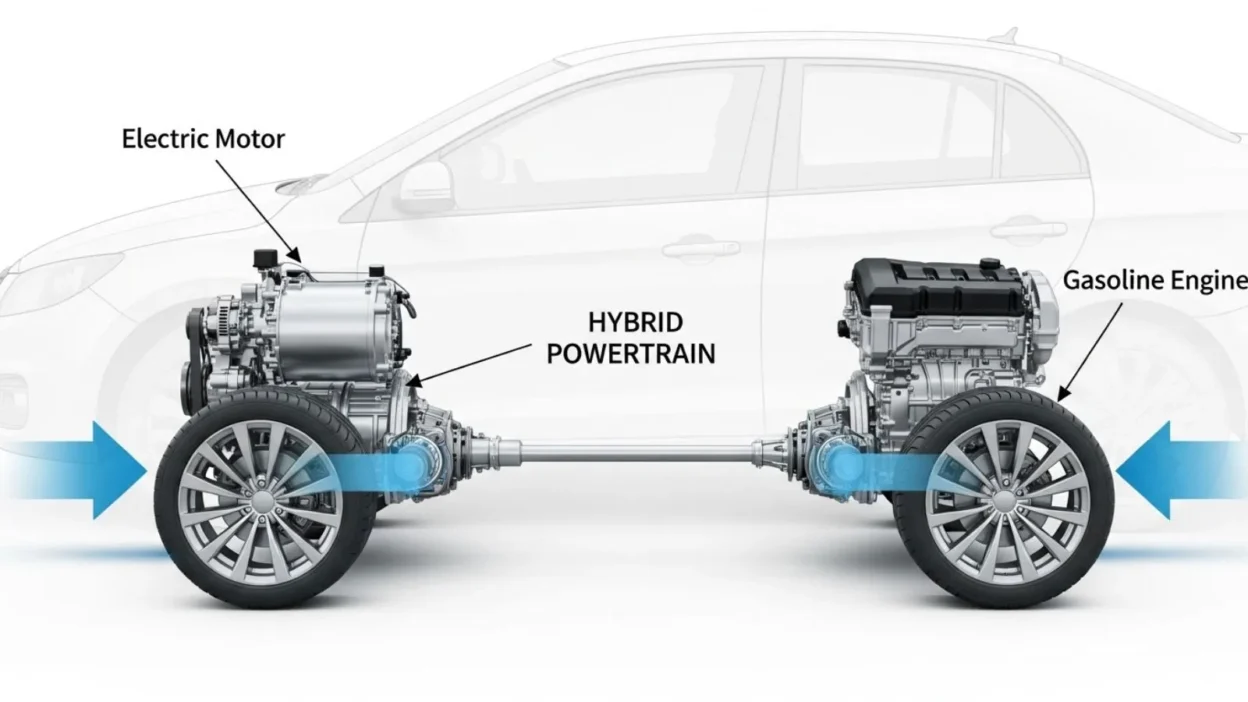
In the automotive world, hybrid cars blend electric power with traditional fuel engines to increase efficiency and reduce emissions.
The workplace has embraced hybrid models that mix remote and in office work, offering flexibility to employees.
Even in nature, hybrids combine traits of two species or plant varieties, often resulting in stronger or more resilient offspring.
Understanding the meaning of hybrid helps us appreciate how combining strengths from different sources can lead to smarter, more innovative solutions in everyday life.
Origin and General Meaning of Hybrid
The word “hybrid” has a rich history that dates back to Latin. It comes from the Latin term hybrida, which originally referred to the offspring of a tame sow and a wild boar, symbolizing a combination of different origins. Over time, the meaning of hybrid expanded to describe anything that is formed by combining two or more different elements. Today, it’s used broadly across multiple fields, from technology to biology.
In general terms, a hybrid can refer to objects, ideas, or systems that blend distinct characteristics. For example, a hybrid concept in design might merge traditional and modern styles, while a hybrid approach in education could combine online and in-person learning methods. The central idea of a hybrid is versatility—it is not limited to one single function or identity but draws strengths from multiple sources.
Understanding this general definition is crucial because it forms the foundation for how we interpret hybrids in more specific contexts. Whether it’s a hybrid car, a hybrid work model, or a hybrid plant, the underlying principle remains the same: combination and optimization. By merging different components, hybrids often aim to create something that is stronger, more efficient, or better suited to meet specific needs. This flexibility is what makes the concept of hybrid so relevant in modern life.
Hybrid in Technology
In the world of technology, the term hybrid refers to devices, systems, or software that combine multiple functions or technologies to deliver greater versatility and efficiency. Hybrid technology is designed to maximize the strengths of different components while minimizing limitations, making it a popular approach in today’s fast-paced, multifunctional digital environment.
A common example of hybrid technology is the 2-in-1 laptop, which can function both as a traditional laptop and a tablet. This allows users to switch seamlessly between work, creative tasks, and entertainment. Similarly, hybrid apps combine elements of web and native applications, giving users the convenience of web accessibility with the performance benefits of native features. Another instance is hybrid cloud computing, which merges public and private cloud systems to provide organizations with flexibility, scalability, and improved security.
The benefits of hybrid technology are significant. By integrating multiple functionalities into a single solution, hybrids often reduce the need for separate devices or systems, save space, and enhance overall productivity. Additionally, they allow for more adaptable solutions in dynamic environments, whether it’s in education, business, or personal use.
Overall, hybrid technology represents the perfect balance between functionality and efficiency. By blending the best features of different systems, it offers innovative solutions that cater to a wide range of needs, demonstrating why hybrid designs are increasingly becoming the standard in modern tech.
Hybrid Cars / Vehicles
In the automotive world, the term hybrid typically refers to vehicles that combine two or more sources of power, usually an internal combustion engine and an electric motor. Hybrid cars are designed to maximize fuel efficiency, reduce emissions, and provide drivers with a more environmentally friendly alternative to traditional gasoline-powered vehicles.
The most common type of hybrid car is the gas-electric hybrid, where a conventional engine works alongside an electric motor to power the vehicle. At low speeds or when idling, the car can rely entirely on the electric motor, conserving fuel and reducing emissions. During acceleration or high-speed driving, the gasoline engine kicks in to provide extra power. Some advanced hybrids, known as plug-in hybrids, allow drivers to recharge the battery externally, extending the electric-only driving range and further reducing fuel consumption.
The advantages of hybrid cars are numerous. They offer better fuel economy, which translates to cost savings for drivers, and they produce lower greenhouse gas emissions, making them an eco-friendly choice. Additionally, hybrids often feature regenerative braking systems, which capture energy normally lost during braking to recharge the battery.
Popular examples of hybrid vehicles include the Toyota Prius, Honda Accord Hybrid, and Ford Escape Hybrid, all of which have helped popularize this technology worldwide.
In summary, hybrid vehicles represent a smart combination of efficiency, performance, and sustainability. By blending traditional fuel engines with electric power, they offer drivers the best of both worlds: the convenience and range of gasoline with the eco-friendliness of electric energy.
Hybrid Work Model
The hybrid work model has become increasingly popular in recent years, especially as organizations adapt to changing employee expectations and technological advancements. In simple terms, a hybrid work model combines remote work with in-office work, giving employees the flexibility to split their time between home and the workplace.
There are several types of hybrid work arrangements. Scheduled hybrid requires employees to be in the office on specific days, while flexible hybrid allows employees to choose their work location based on tasks or personal preference. Rotational hybrid involves teams alternating between remote and on-site schedules to maintain collaboration and workflow.
The benefits of hybrid work are significant. Employees often experience better work-life balance, reduced commuting time, and increased flexibility, which can lead to higher productivity and job satisfaction. Organizations also benefit from cost savings on office space, broader access to talent, and improved employee retention.
However, the hybrid model comes with challenges. Communication and collaboration can suffer if team members are not synchronized, and it may be harder for managers to track productivity. Maintaining a company culture in a partially remote environment also requires careful planning and strong digital tools.
Despite these challenges, the hybrid work model represents a modern, adaptable approach to employment that balances the benefits of in-person collaboration with the convenience of remote work. By blending these two modes, companies can create a more flexible, efficient, and employee-friendly work environment that meets the needs of today’s workforce.
Hybrid in Biology and Agriculture
In biology and agriculture, the term hybrid refers to the offspring resulting from the combination of two different species, varieties, or breeds. Hybrids are created to enhance desirable traits, such as increased growth, disease resistance, or improved productivity, making them an essential tool in both farming and animal breeding.
In plants, hybrids are common in crops like corn, rice, and tomatoes. By crossing two different strains, farmers can produce plants that are more resilient to pests, tolerant to harsh environmental conditions, and higher yielding than their parent varieties. This method, known as hybridization, has been instrumental in increasing global food production and sustaining agricultural efficiency.
In animals, hybrids occur naturally or through selective breeding. For example, a mule, a hybrid of a horse and a donkey, is stronger and more durable than either parent, which made it historically valuable for labor and transportation. Similarly, hybrid fish and poultry are bred for faster growth and higher productivity in commercial farming.
The main advantage of hybrids in biology is that they combine the strengths of both parents, resulting in offspring that are often healthier, more productive, and better adapted to specific conditions. However, some hybrids are sterile (like mules) and cannot reproduce, which limits their long-term propagation.
Overall, the concept of hybrids in biology and agriculture demonstrates the power of combining traits to optimize performance and resilience, highlighting the practical benefits of hybridization in sustaining human needs and advancing scientific breeding practices.
Other Uses of Hybrid
Beyond technology, cars, work, and biology, the term hybrid has found its way into many other areas of modern life, showing just how versatile this concept is. In sports, for instance, a hybrid player combines skills from multiple positions or roles. A hybrid athlete may have the speed of a sprinter and the strength of a power player, allowing coaches to utilize them in more flexible ways during games.
In energy systems, hybrid solutions are becoming increasingly common. Hybrid energy setups combine multiple sources of power, such as solar, wind, and battery storage, to provide more reliable and efficient energy output. These systems optimize resources and reduce dependency on a single power source, making them both eco-friendly and cost-effective.
In culture and entertainment, hybrid often refers to the blending of genres. For example, hybrid movies or books might combine elements of science fiction and romance, or action and comedy, to appeal to a broader audience. Music has hybrid genres too, like jazz-rock or country-pop, where elements from different styles are mixed to create something fresh and unique.
Even in education, hybrid learning models mix traditional classroom instruction with online learning tools, offering students flexibility while maintaining structure.
Overall, the use of hybrid in these diverse fields demonstrates the core principle of combining strengths to achieve versatility, efficiency, and innovation. By integrating different elements into a single system, hybrid approaches provide creative solutions and expand possibilities, whether in sports, energy, entertainment, or learning.
Pros and Cons of Hybrids
Hybrids, whether in technology, cars, work models, or biology, offer a unique combination of advantages and disadvantages. Understanding these can help individuals and organizations make informed decisions when adopting hybrid solutions.
Pros:
- Versatility: Hybrids combine the best features of different systems, making them adaptable to a variety of situations. For example, hybrid devices can serve multiple purposes, and hybrid cars can switch between electric and fuel power.
- Efficiency: By leveraging complementary strengths, hybrids often operate more efficiently than traditional single-function alternatives. Hybrid energy systems, for example, optimize power sources to reduce waste and cost.
- Innovation: Hybrids encourage creative solutions by blending distinct ideas or technologies, leading to better performance or new applications.
- Sustainability: Many hybrids, such as hybrid vehicles and hybrid energy systems, contribute to environmental sustainability by reducing emissions or optimizing resources.
- Flexibility: In work and education, hybrid models allow people to balance multiple needs, like combining remote and in-person work or online and classroom learning.
Cons:
- Complexity: Combining multiple systems can make hybrids more complicated to design, operate, and maintain.
- Cost: Hybrid solutions, especially cars or advanced technology, may require higher initial investment.
- Limited specialization: While hybrids excel at versatility, they may not always match the performance of specialized systems in specific tasks.
- Dependency: Some hybrids, like hybrid plants or animals, may face limitations, such as sterility or reliance on specific conditions.
FAQs / Common Questions About Hybrid
As hybrids become more common in everyday life, many people have questions about their meaning, uses, and benefits. Here are some of the most frequently asked questions:
1. What is the difference between a hybrid and a conventional system?
A conventional system relies on a single source or function, like a traditional gasoline car or a standard office setup. A hybrid, on the other hand, combines multiple sources or functions to enhance efficiency, versatility, or performance.
2. Are hybrid cars really better for the environment?
Yes, hybrid cars generally produce lower emissions than conventional vehicles because they rely partially on electric power. They also use fuel more efficiently, reducing environmental impact and fuel costs. However, their environmental benefits depend on proper maintenance and how frequently they use the electric component.
3. Can hybrid plants or animals reproduce?
It depends. Some hybrids, like many plants, can reproduce and maintain their hybrid traits. Others, such as mules (a horse-donkey hybrid), are sterile and cannot reproduce. The ability to reproduce varies depending on the species and type of hybridization.
4. How does hybrid work improve productivity?
The hybrid work model combines remote and in-office work, giving employees flexibility while maintaining collaboration. This often leads to better work-life balance, higher job satisfaction, and overall improved productivity.
5. Are hybrid technologies worth the investment?
In most cases, yes. Hybrid technologies, whether in devices, energy systems, or cars, offer long-term efficiency, versatility, and cost savings, even if the initial investment is higher.
Conclusion:
The term hybrid represents the concept of combining two or more distinct elements to create something versatile, efficient, and innovative.
From technology and cars to work models, biology, and energy systems, hybrids are everywhere in modern life, offering practical solutions that blend the best of different worlds.
Hybrid devices enhance functionality, hybrid cars improve fuel efficiency and reduce emissions, and hybrid work models provide flexibility while maintaining productivity.
In biology and agriculture, hybrids combine traits from different species to produce stronger, more resilient plants and animals.
While hybrids offer numerous advantages, including adaptability, sustainability, and innovation, they can also present challenges such as complexity, higher costs, or limited specialization.
Overall, understanding what hybrid means across these diverse contexts allows us to appreciate the power of combining strengths. By embracing hybrid solutions thoughtfully, we can create more efficient, sustainable, and flexible systems in both personal and professional life.

The author behind RiddleBurst.com loves creating fun, clever, and unique riddles for all ages. Their goal is to challenge minds, bring smiles, and make learning through riddles both engaging and enjoyable.