Human Papillomavirus (HPV) is one of the most common viral infections worldwide, affecting millions of people each year. Despite its prevalence, many people remain unaware of what HPV looks like or how it appears in the body.
Recognizing the visual signs of HPV is essential for early detection and timely treatment. Some types of the virus can lead to serious health complications if left untreated.
HPV can appear in various forms, including genital warts, skin lesions, or subtle changes in the mouth and throat. The symptoms may differ depending on the virus type.
Understanding these visual cues helps in identifying potential infections and promotes awareness about preventive measures, such as vaccines and regular screenings.
In this guide, we will explore what HPV looks like, its symptoms, types, and the steps you can take to protect your health.
What Is HPV?
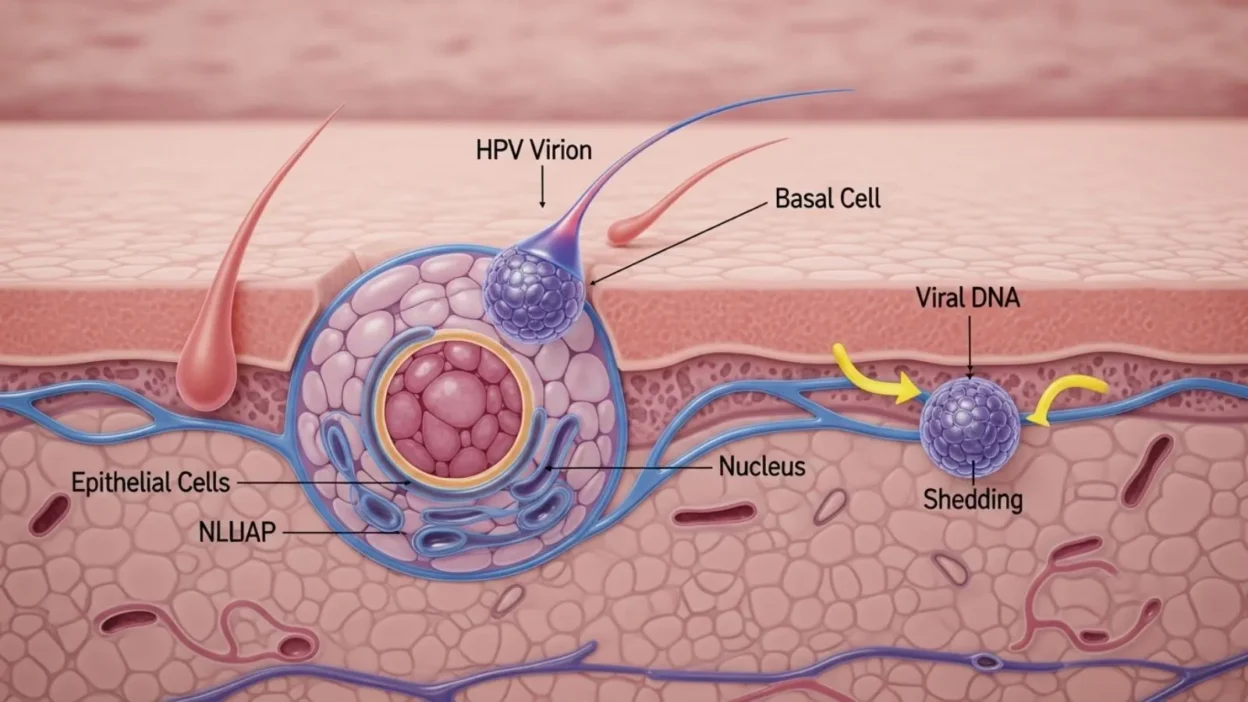
Human Papillomavirus (HPV) is a group of more than 200 related viruses that infect the skin and mucous membranes. It is one of the most common sexually transmitted infections worldwide, and most sexually active individuals will contract at least one type of HPV in their lifetime. While some types of HPV are harmless and may clear on their own, others can cause health complications, including genital warts and certain types of cancer.
HPV is categorized into low-risk and high-risk types. Low-risk HPV types are often associated with visible warts, such as genital warts or skin warts, which are usually non-cancerous. High-risk HPV types, on the other hand, may not produce visible symptoms but can cause cellular changes that increase the risk of cervical, throat, and other cancers.
The virus spreads primarily through skin-to-skin contact, including sexual activity, making it highly contagious. It can infect various areas of the body, including the genitals, mouth, throat, and even hands or feet in the form of skin warts.
Because HPV symptoms vary depending on the type and location, some infections go unnoticed for months or even years. This is why understanding HPV symptoms, including what it looks like visually, is crucial for early detection. Regular screenings, vaccinations, and awareness of visual signs are key steps in protecting yourself and your partners from potential complications.
Common Visual Signs of HPV
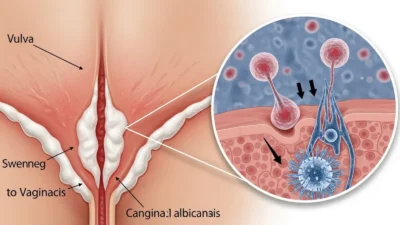
HPV can manifest in several ways, and recognizing its visual signs is important for early detection. One of the most common indicators is genital warts, which often appear as small, flesh-colored or pink bumps with a cauliflower-like texture. These warts can form singly or in clusters and may develop on the vulva, vagina, penis, scrotum, or around the anus. While usually painless, they can cause itching, discomfort, or irritation.
Another type is flat warts, which are subtle, smooth, and slightly raised spots. These often blend with the surrounding skin and may appear on the face, legs, or arms, making them harder to notice without careful inspection.
HPV can also affect the oral cavity, causing red or white patches in the mouth or throat. These changes are usually painless and may go unnoticed until detected during a dental or medical check-up.
Additionally, skin warts caused by HPV can develop on hands, feet, or other areas exposed to the virus. These warts tend to be rough, raised, and sometimes painful, particularly on weight-bearing areas like the soles of the feet.
It’s important to note that not all HPV infections cause visible symptoms. High-risk types may not produce any warts or lesions but can still affect internal tissues, such as the cervix, leading to potential complications. Therefore, combining visual awareness with regular medical screenings is essential for early detection and effective management of HPV.
HPV Pictures and How It Appears
Understanding what HPV looks like can help people identify potential infections early, though it’s important to remember that self-diagnosis is not a substitute for a medical evaluation. HPV pictures typically show a range of appearances depending on the type of virus and the location of the infection.
For genital HPV, warts may appear as small, raised bumps that are pink, red, or flesh-colored. They can cluster together, forming a cauliflower-like pattern, or remain isolated as single spots. These warts may grow slowly and sometimes cause itching or mild discomfort. Low-risk HPV types are usually responsible for these visible warts, while high-risk types may not show any external signs.
Flat warts appear smoother and are often less noticeable, blending with the surrounding skin. They may occur in the genital area, face, or extremities. In oral HPV, lesions can manifest as white or red patches on the tongue, gums, or throat. These patches are often painless but can sometimes lead to irritation or discomfort.
On the hands and feet, skin warts caused by HPV appear as rough, raised bumps, occasionally with tiny black dots in the center. Plantar warts on the soles of the feet can be painful, especially when pressure is applied.
While online HPV images can provide a general idea, appearances can vary widely. Because some high-risk HPV infections may show no external signs, it’s essential to combine visual awareness with regular screenings and medical check-ups for accurate diagnosis and timely treatment.
How Symptoms Differ by HPV Type
HPV infections can vary greatly depending on whether the virus is a low-risk or high-risk type, and understanding these differences is crucial for recognizing symptoms and seeking timely medical care.
Low-risk HPV types often cause visible symptoms, such as genital warts, flat warts, or skin lesions. These warts are usually non-cancerous and may appear as small, flesh-colored bumps, sometimes forming clusters with a cauliflower-like texture. Low-risk HPV can also cause warts on the hands or feet, known as skin warts or plantar warts, which may be rough or painful in areas that experience pressure. Although uncomfortable or unsightly, these warts are generally harmless and can be treated with topical creams or minor procedures.
High-risk HPV types, in contrast, usually do not produce visible warts. Instead, they may cause cellular changes that are only detectable through medical screenings, such as Pap smears or HPV DNA tests. These types are associated with a higher risk of cervical, throat, or anal cancers. Because symptoms may be absent, high-risk infections can go unnoticed for months or years, making regular screenings vital for early detection and prevention of complications.
Oral HPV may also differ depending on type. Some strains cause visible patches or lesions in the mouth or throat, while others remain entirely asymptomatic yet still carry risk for oropharyngeal cancers.
In summary, HPV symptoms vary depending on the type and location of infection. Low-risk types often show visible signs, while high-risk types may remain hidden, highlighting the importance of both visual awareness and routine medical screening.
Diagnosis and Medical Evaluation
Detecting HPV accurately requires a professional medical evaluation, as visual signs alone may not reveal the full extent of the infection. While some HPV symptoms, such as genital warts or skin lesions, can be noticeable, high-risk HPV types often cause no visible signs. This makes regular screenings essential, especially for sexually active individuals.
For women, the Pap smear is a primary screening tool. This test examines cervical cells for abnormal changes caused by high-risk HPV types. In addition, the HPV DNA test can detect the presence of high-risk virus strains even before cellular abnormalities appear. Early detection through these screenings helps prevent the development of cervical cancer and allows timely treatment if abnormalities are found.
Men typically do not have routine HPV screenings, but visual inspection by a healthcare provider can help identify genital warts or other lesions. Oral HPV may be detected during dental exams, where white or red patches in the mouth or throat can indicate infection.
It is important to avoid self-diagnosis using images online, as many skin conditions can mimic HPV, including molluscum contagiosum, genital herpes, or other benign skin growths. Misdiagnosis can lead to unnecessary anxiety or delayed treatment.
Overall, combining visual awareness of what HPV looks like with professional evaluation ensures accurate diagnosis and effective management. Regular check-ups, screenings, and prompt consultation with healthcare providers remain the most reliable ways to detect and address HPV infections safely.
Treatment Options for HPV
While some HPV infections can resolve on their own, treatment may be necessary for visible warts or complications caused by the virus. HPV treatment depends on the type of infection, its location, and whether it causes symptoms.
For genital or skin warts, doctors often recommend topical treatments such as creams or solutions that stimulate the immune system or gradually remove the warts. Common options include podofilox, imiquimod, and salicylic acid for skin warts. In some cases, minor surgical procedures may be necessary, such as cryotherapy, which freezes the warts, or laser removal for persistent lesions. Excision may also be used for larger warts that do not respond to topical treatment.
It’s important to note that high-risk HPV types usually do not cause visible warts but can lead to cellular changes, especially in the cervix. While the virus itself cannot be eliminated once infected, regular monitoring through Pap smears or HPV DNA testing can detect abnormal cells early, allowing for timely treatment before cancer develops.
Prevention plays a crucial role in managing HPV. The HPV vaccine protects against the most common high-risk and low-risk HPV types, reducing the likelihood of developing warts or HPV-related cancers. Safe sexual practices, such as using condoms and limiting the number of sexual partners, also help reduce the risk of transmission.
Ultimately, treatment focuses on removing visible warts, monitoring high-risk types, and preventing future infections through vaccination and responsible practices. Early detection combined with appropriate management ensures better outcomes and long-term health.
Prevention Strategies
Preventing HPV is key to reducing the risk of visible warts, cellular changes, and long-term complications. One of the most effective methods is vaccination. The HPV vaccine protects against the most common high-risk and low-risk HPV types and is recommended for preteens, teens, and young adults before exposure to the virus. Even adults who have already been exposed to HPV can benefit from vaccination to prevent future infections.
Safe sexual practices are another critical prevention measure. Consistently using condoms during sexual activity reduces the risk of HPV transmission, though it may not completely eliminate it since HPV can infect areas not covered by a condom. Limiting the number of sexual partners and avoiding sexual contact with individuals who have visible warts or other symptoms can also lower risk.
Regular medical screenings are essential, especially for women. Pap smears and HPV tests can detect high-risk infections early, allowing for timely intervention before serious complications, such as cervical cancer, develop. Early detection is particularly important for high-risk HPV types that do not produce visible symptoms.
Personal hygiene and awareness also play a role. Avoiding direct contact with warts on others’ skin, refraining from sharing personal items like towels, and maintaining healthy skin can help reduce the risk of infection.
By combining vaccination, safe sexual practices, routine screenings, and personal hygiene, individuals can effectively protect themselves against HPV. Awareness of HPV symptoms and visual signs further empowers people to seek early treatment and prevent complications.
FAQs About HPV Appearance and Symptoms
1. Can HPV appear without visible warts?
Yes, many HPV infections, especially high-risk types, show no visible signs. Even without warts, the virus can affect internal tissues, such as the cervix, making regular screenings essential.
2. How long after infection do symptoms appear?
Symptoms of low-risk HPV, like genital or skin warts, may appear weeks to months after exposure. High-risk types often remain asymptomatic for years, which is why routine medical check-ups are crucial.
3. Is HPV contagious without visible signs?
Absolutely. HPV spreads through skin-to-skin contact, so even if warts or lesions are not present, the virus can still be transmitted to sexual partners.
4. Can HPV show up in areas other than genitals?
Yes. HPV can infect the mouth, throat, hands, and feet, in addition to the genital area. Oral HPV may appear as red or white patches, while skin HPV can cause rough warts on hands or feet.
5. Can HPV disappear on its own?
In many cases, the body’s immune system clears the infection naturally within one to two years, especially for low-risk HPV types. However, high-risk HPV may persist and requires monitoring to prevent complications.
6. How do I know if a spot is HPV or something else?
Many skin conditions, such as molluscum contagiosum or genital herpes, can mimic HPV. Only a healthcare provider can confirm a diagnosis through visual examination and testing.
Conclusion:
Human Papillomavirus (HPV) is a widespread infection that can appear in various forms. It may show as visible genital or skin warts, or as subtle oral or cervical changes that often go unnoticed. Understanding what HPV looks like and recognizing its signs is crucial for early detection, timely treatment, and preventing complications.
Low-risk HPV types often cause noticeable warts, while high-risk types may remain hidden but still pose serious health risks if left untreated.
Early intervention through regular screenings, Pap smears, and HPV testing can help detect issues before they become severe. Combined with vaccination and safe sexual practices, these measures significantly reduce the risk of transmission and long term health problems.
Being aware of HPV symptoms, seeking proper diagnosis from healthcare professionals, and following preventive strategies empower individuals to protect both their own health and that of their partners.
By staying informed and proactive, you can effectively manage and prevent HPV while maintaining overall well-being.

The author behind RiddleBurst.com loves creating fun, clever, and unique riddles for all ages. Their goal is to challenge minds, bring smiles, and make learning through riddles both engaging and enjoyable.