
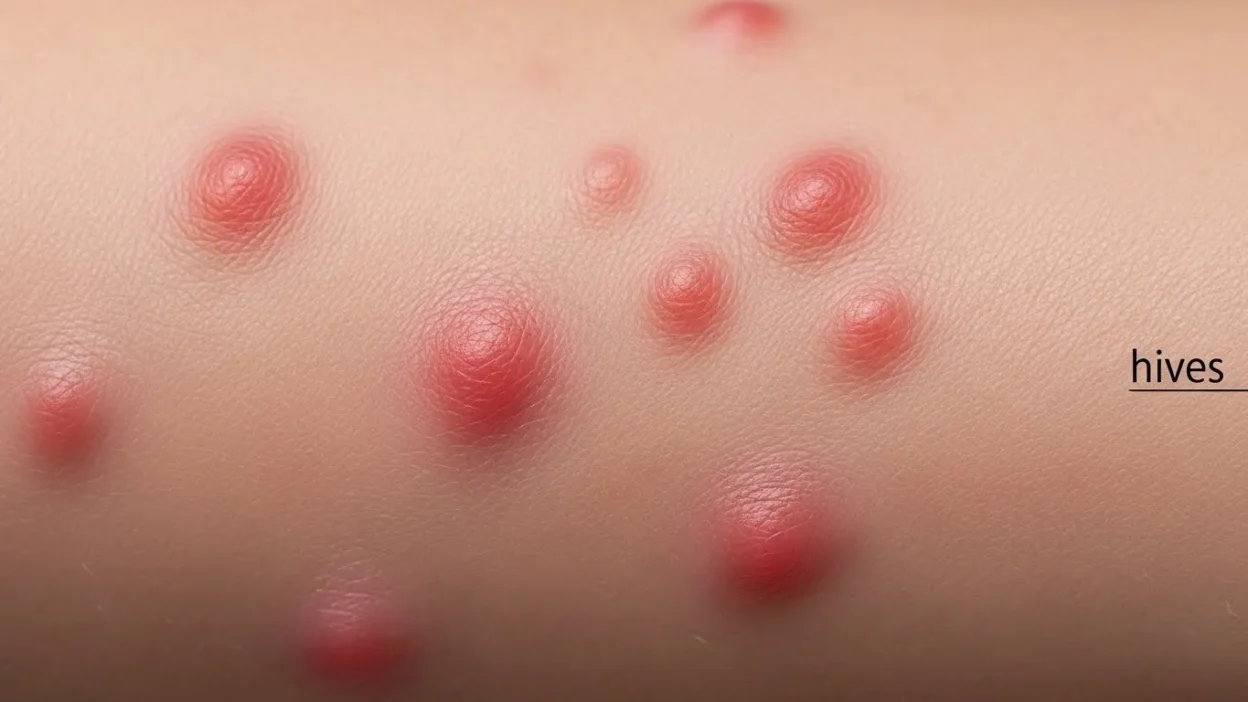
Hives, medically known as urticaria, are a common skin reaction that can appear suddenly and cause significant discomfort.
They typically show up as raised, red, or skin-colored welts that vary in size and shape, often accompanied by intense itching or a stinging sensation.
Hives can appear anywhere on the body, including the arms, legs, torso, and face, and they may change location or shape within hours.
Understanding what hives look like is crucial for identifying the condition early, distinguishing it from other rashes, and taking appropriate action.
While most hives are harmless and resolve on their own, they can sometimes indicate allergic reactions, stress, infections, or chronic medical conditions.
This guide will explore the appearance, causes, symptoms, treatment, and prevention of hives, helping you recognize them quickly and manage them effectively.
What Hives Look Like
Hives are most easily recognized by their distinct appearance on the skin, which can vary widely depending on the person and the trigger. Typically, they appear as raised, red or skin-colored welts, often with a slightly pale center and darker edges. These welts can be small, like a mosquito bite, or large, covering several inches of skin. They may form clusters, rings, or irregular shapes, and their size can change quickly, sometimes fading in one area while appearing elsewhere on the body.
The texture of hives is usually smooth or slightly rough, and the surface may feel warm to the touch. One of the most noticeable features of hives is intense itching, which can range from mild discomfort to a burning or stinging sensation. In some cases, hives are accompanied by swelling under the skin, known as angioedema, particularly around the eyes, lips, hands, or feet.
Hives can appear anywhere on the body, including the face, neck, arms, legs, and torso. They often come and go quickly, with individual welts disappearing within 24 hours, only for new ones to appear in different locations. This fleeting and shifting nature is a key characteristic that helps differentiate hives from other rashes like eczema or psoriasis.
Understanding the visual patterns and locations of hives is essential for identifying them early, determining possible triggers, and seeking appropriate treatment if necessary.
Causes and Triggers of Hives
Hives can be triggered by a wide range of factors, from allergic reactions to environmental and physical triggers. One of the most common causes is allergies. Foods such as nuts, shellfish, eggs, or certain fruits can prompt an allergic response that results in red, itchy welts. Medications, including antibiotics, aspirin, or nonsteroidal anti-inflammatory drugs (NSAIDs), are another frequent cause. Insect bites or stings can also provoke hives, sometimes accompanied by swelling in the surrounding area.
Environmental factors can play a role as well. Exposure to extreme heat, cold, or sunlight may trigger hives in sensitive individuals. Contact with chemicals, detergents, or certain fabrics can also provoke skin reactions. Physical triggers, such as pressure on the skin, friction, or exercise, can lead to exercise-induced hives or pressure urticaria. Stress is another less obvious but significant factor; emotional or physical stress can prompt outbreaks even without direct contact with allergens.
Hives may also appear as a symptom of underlying medical conditions, including autoimmune disorders, thyroid problems, or infections. In some cases, the exact cause is unknown, which is referred to as chronic idiopathic urticaria.
Understanding these triggers is crucial for prevention and management. By identifying the specific cause—whether it’s an allergy, environmental factor, or physical stimulus—individuals can take steps to avoid triggers, reduce outbreaks, and seek appropriate treatment. Recognizing patterns in hives’ appearance and timing can help both patients and doctors manage the condition effectively.
How to Differentiate Hives from Other Skin Conditions
Hives can sometimes be mistaken for other skin conditions, so it’s important to recognize their unique features. One key distinction is the rapid onset and fleeting nature of hives. Individual welts typically appear suddenly and often disappear within 24 hours, only for new welts to form in different areas. In contrast, conditions like eczema or psoriasis develop more gradually and tend to persist for days, weeks, or even months.
The shape and pattern of hives also set them apart. Hives are usually raised, round or irregularly shaped welts, sometimes forming clusters or rings, whereas rashes from eczema or dermatitis are often flat, patchy, or scaly. Psoriasis, for instance, presents as thick, silvery, scaly plaques that do not itch in the same rapid, intense way as hives.
Insect bites may appear similar but are usually localized to one area, often with a visible puncture mark, while hives can appear anywhere and shift locations. Heat rash may resemble hives in its redness and small bumps, but it typically appears in areas of friction or sweat accumulation and resolves once the skin cools.
Another distinguishing feature is itching intensity and swelling. Hives often cause intense itching and sometimes accompany angioedema, a deeper swelling beneath the skin, which is uncommon in most other rashes.
Accurately identifying hives is crucial because it affects treatment and urgency. While minor rashes may resolve with simple moisturizers or cooling remedies, hives—especially if severe or recurring—may require antihistamines or medical evaluation.
When to See a Doctor
While most cases of hives are mild and resolve on their own, there are situations where medical attention is essential. One major concern is severe swelling, especially around the face, lips, tongue, or throat. This can indicate angioedema, which may interfere with breathing and become life-threatening if not treated promptly. Difficulty breathing, wheezing, or tightness in the chest alongside hives is a medical emergency and requires immediate care.
Other warning signs include persistent or recurrent hives that last more than six weeks, which may indicate chronic urticaria. Chronic hives can be triggered by autoimmune conditions or long-term allergies, and professional evaluation is necessary for proper treatment. Additionally, if hives are accompanied by systemic symptoms such as fever, vomiting, dizziness, or joint pain, it could signal an underlying infection or more serious health condition.
People who experience hives frequently or notice unusual patterns or severe itching should also consult a healthcare provider. A doctor can help identify triggers, conduct allergy testing, and recommend effective medications such as antihistamines or corticosteroids.
Even for mild hives, seeking guidance is helpful if the cause is unclear or if over-the-counter remedies do not provide relief. Early medical intervention can reduce discomfort, prevent complications, and help patients manage future outbreaks more effectively.
Recognizing these red flags ensures that hives are treated appropriately and that potentially dangerous allergic reactions are addressed promptly.
Treatment Options
Treating hives effectively depends on severity, frequency, and underlying cause. For mild cases, home remedies are often sufficient to relieve discomfort. Applying cool compresses to affected areas can reduce redness, swelling, and itching, while taking oatmeal baths or using gentle moisturizers can soothe irritated skin. Avoiding known triggers, such as certain foods, chemicals, or extreme temperatures, is also crucial for preventing flare-ups.
Over-the-counter medications are commonly used to manage symptoms. Antihistamines, such as cetirizine, loratadine, or diphenhydramine, help block the body’s allergic response and reduce itching. Topical creams or anti-itch lotions may provide temporary relief but are generally less effective than oral antihistamines.
For more severe or persistent cases, prescription treatments may be necessary. Doctors may recommend stronger antihistamines, corticosteroids, or immunosuppressive medications for chronic hives. Biologic therapies, like omalizumab, are also available for individuals with chronic idiopathic urticaria that does not respond to standard treatments.
In addition to medication, lifestyle management can significantly improve outcomes. Keeping a hives diary to track triggers, maintaining healthy skin care habits, reducing stress, and avoiding extreme environmental conditions can all help prevent recurrences.
Ultimately, a combination of trigger avoidance, symptom management, and medical treatment allows most people to control hives effectively. Seeking guidance from a healthcare professional ensures proper diagnosis and treatment, especially when symptoms are severe, persistent, or interfere with daily life.
Prevention Tips
Preventing hives starts with understanding and avoiding triggers. Keeping a detailed diary of foods, medications, environmental exposures, and activities can help identify patterns that cause outbreaks. Common dietary triggers include shellfish, nuts, eggs, and certain processed foods, while medications such as antibiotics or NSAIDs may also provoke reactions. Once identified, avoiding these triggers can significantly reduce the frequency of hives.
Environmental and physical factors should also be considered. Exposure to extreme temperatures, direct sunlight, or harsh chemicals can trigger hives in sensitive individuals. Wearing loose, breathable clothing and using hypoallergenic skincare products can minimize skin irritation. For exercise-induced or pressure-related hives, gradual warm-ups, cushioned clothing, and avoiding prolonged pressure on the skin may help prevent flare-ups.
Stress is another common trigger for hives. Stress-reduction techniques, including meditation, yoga, and regular exercise, can lower the risk of stress-induced outbreaks. Ensuring adequate sleep and hydration also supports overall skin health and immune function, which may reduce susceptibility.
In addition, early management of mild symptoms can prevent worsening. Using over-the-counter antihistamines at the first sign of a flare, applying cool compresses, and avoiding scratching can help control itching and reduce inflammation.
By combining trigger awareness, lifestyle adjustments, and early intervention, individuals can greatly reduce the frequency and severity of hives. Prevention is especially important for those prone to chronic or recurring outbreaks, allowing them to maintain comfort and skin health in their daily lives.
FAQs About Hives
1. Can hives spread from one area to another?
Yes, hives often appear in different locations over time. Individual welts usually last less than 24 hours but can fade in one area and appear elsewhere, giving the impression that the rash is spreading.
2. How long do hives usually last?
Most acute hives resolve within a few hours to a few days. Chronic hives, however, can persist for six weeks or longer, often recurring periodically over months or even years.
3. Are hives contagious?
No, hives are not contagious. They result from allergic reactions, stress, or other triggers rather than infections, so they cannot be passed from person to person.
4. Can children get hives?
Absolutely. Hives are common in children and can be triggered by foods, infections, or environmental factors. While usually mild, any severe swelling or breathing difficulty requires immediate medical attention.
5. Can stress cause hives?
Yes, emotional or physical stress can trigger hives in sensitive individuals. Stress-induced hives are thought to result from immune system reactions and increased histamine release.
6. When should I see a doctor for hives?
Seek medical attention if hives are persistent, severe, or accompanied by swelling of the face, lips, or throat, difficulty breathing, fever, or other systemic symptoms. These may indicate serious allergic reactions or underlying medical conditions.
7. How can I prevent hives?
Identifying and avoiding known triggers, maintaining healthy skin care, managing stress, and using antihistamines when necessary can reduce the frequency and severity of outbreaks.
Conclusion:
Hives, or urticaria, are a common skin condition that can appear suddenly, causing raised, red or skin-colored welts and intense itching.
Their appearance can vary greatly, from small spots to large patches, and they may occur anywhere on the body, including the arms, legs, torso, and face.
Understanding what hives look like is key to distinguishing them from other skin conditions such as eczema, psoriasis, or insect bites, which can have similar visual characteristics but differ in duration, texture, and severity.
Hives can be triggered by a variety of factors, including allergic reactions, environmental exposure, stress, infections, and certain medications.
While most cases are mild and resolve on their own, persistent or severe hives, especially when accompanied by swelling of the face or throat, difficulty breathing, or systemic symptoms, require immediate medical attention.
Effective management includes avoiding triggers, using over-the-counter or prescription antihistamines, applying soothing remedies, and making lifestyle adjustments such as stress reduction and skin care routines.
Prevention and early recognition are crucial for minimizing discomfort and preventing complications.
By learning to identify hives quickly and respond appropriately, individuals can better manage outbreaks and reduce the likelihood of recurring episodes.
Consulting a healthcare professional ensures proper diagnosis and treatment, particularly for chronic or severe cases.
Recognizing the signs of hives, understanding their triggers, and following effective treatment and prevention strategies can help maintain healthy, comfortable skin and improve overall well-being.
Discover More Articles:
- What Does Idle Mean on Discord and How to Use It
- What Does Logos Mean in Writing? Clear Examples Inside
- What Does JOI Mean? Ultimate Guide You Need to Know