
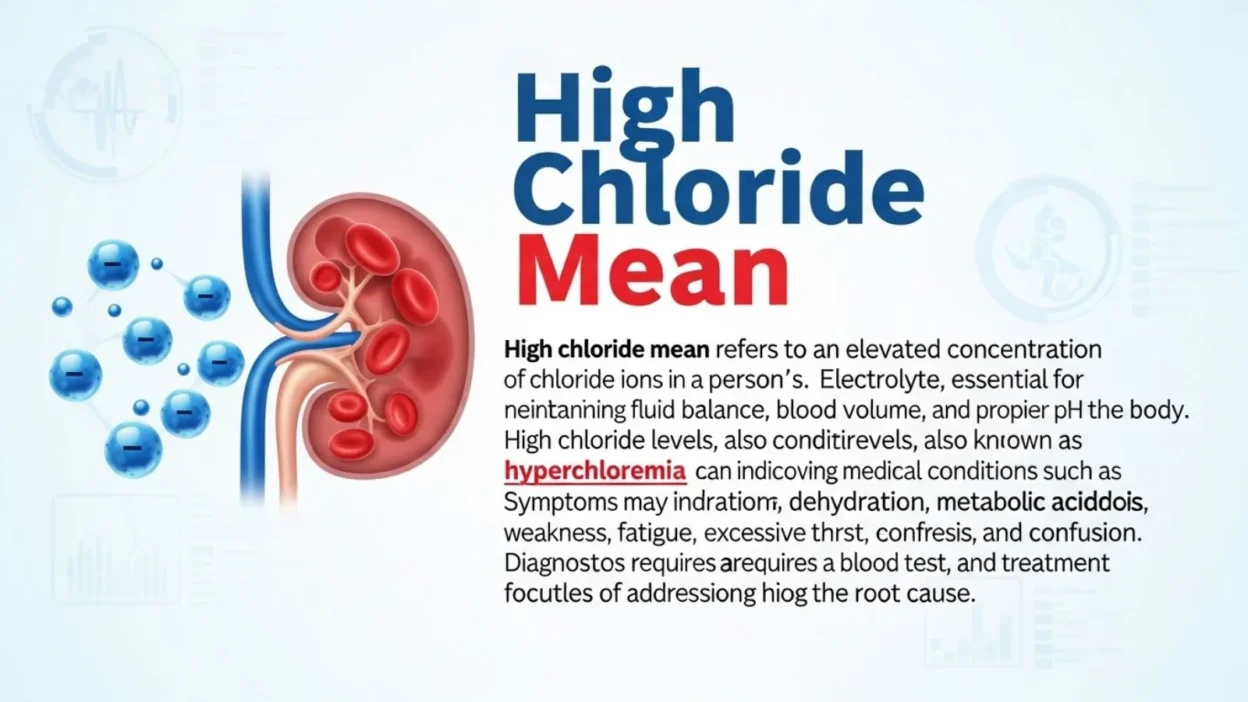
Chloride is a vital electrolyte in the body that plays a key role in maintaining fluid balance, regulating blood pressure, and supporting proper nerve and muscle function.
It is commonly measured in routine blood tests to assess overall health, as abnormal levels can indicate underlying medical conditions. When chloride levels in the blood are higher than normal, the condition is known as hyperchloremia.
High chloride levels may occur due to dehydration, kidney issues, high salt intake, or metabolic imbalances, and can sometimes lead to noticeable symptoms such as fatigue, excessive thirst, or confusion.
Understanding what high chloride means, its causes, potential health risks, and management strategies is crucial for maintaining optimal health.
In this article, we will explore the functions of chloride, the reasons it can become elevated, the symptoms to watch for, and the best approaches to treatment and prevention.
What Is Chloride and Why Is It Important?
Chloride is an essential electrolyte found in the body, primarily in the blood and bodily fluids. As one of the key electrolytes alongside sodium, potassium, and bicarbonate, chloride plays a crucial role in maintaining the body’s fluid balance, ensuring that cells function properly and that blood pressure remains stable. It also helps regulate the body’s acid-base balance, which is vital for normal metabolic processes and overall cellular health. Proper chloride levels are necessary for nerve impulses to transmit efficiently and for muscles to contract effectively, including the heart muscle.
The normal range of chloride in the blood for adults is generally between 96 and 106 milliequivalents per liter (mEq/L), though this can slightly vary depending on the laboratory and measurement method. Levels outside this range can indicate an underlying problem that requires attention. The body primarily regulates chloride through the kidneys, which filter excess chloride and maintain a proper balance. Hormones such as aldosterone also influence chloride levels by controlling sodium and water retention, which indirectly affects chloride concentration.
Dietary intake contributes to chloride levels as well, with table salt (sodium chloride) being the main source. While chloride is essential for health, both low and high levels can cause complications. Monitoring chloride, especially during routine blood tests or when experiencing symptoms of imbalance, is an important step in maintaining overall well-being. Understanding chloride’s function provides the foundation for recognizing why elevated levels can be a concern.
Causes of High Chloride Levels (Hyperchloremia)
High chloride levels in the blood, known medically as hyperchloremia, can result from a variety of underlying causes. One of the most common reasons is dehydration. When the body loses water due to vomiting, diarrhea, excessive sweating, or inadequate fluid intake, chloride becomes more concentrated in the blood, leading to elevated levels.
Kidney problems are another significant cause. The kidneys regulate electrolyte balance, including chloride. Conditions such as chronic kidney disease or acute kidney injury can impair the kidneys’ ability to excrete excess chloride, resulting in hyperchloremia.
A high-salt diet can also contribute. Since table salt is sodium chloride, excessive salt intake can increase chloride levels, particularly if combined with poor hydration or kidney dysfunction.
Certain medical conditions, such as metabolic acidosis, can also lead to high chloride. In this condition, the body produces excess acid or loses bicarbonate, and chloride levels rise to maintain electrolyte balance.
Some medications and treatments may influence chloride as well. For example, diuretics, corticosteroids, or intravenous saline solutions can raise chloride levels. Rarely, endocrine disorders like Cushing’s syndrome or uncontrolled diabetes can indirectly cause elevated chloride by affecting fluid and electrolyte regulation.
Because hyperchloremia can have multiple causes, identifying the exact reason usually requires a comprehensive evaluation, including blood tests, urine tests, medical history, and sometimes imaging. Understanding the cause is critical for determining the most effective treatment and preventing complications associated with high chloride levels.
Symptoms of High Chloride
High chloride levels in the blood, or hyperchloremia, can sometimes go unnoticed, especially in mild cases. However, as chloride levels rise, the body may begin to show noticeable symptoms due to electrolyte imbalance and its impact on fluid and acid-base regulation.
Mild hyperchloremia may cause subtle signs such as fatigue, weakness, excessive thirst, dry mouth, or increased urination. These symptoms often overlap with other conditions, which is why high chloride can go undiagnosed without a blood test.
When chloride levels are significantly elevated, more severe symptoms may appear. These can include high blood pressure, rapid or deep breathing, confusion, dizziness, or shortness of breath. Elevated chloride can also affect kidney function, potentially causing swelling, fluid retention, or decreased urine output. In rare cases, severe hyperchloremia may contribute to acid-base imbalance, leading to metabolic acidosis, which can exacerbate fatigue and confusion.
It’s important to note that symptoms of high chloride are often related to the underlying cause. For example, if dehydration is responsible, symptoms like dry skin and lightheadedness may dominate, whereas kidney-related hyperchloremia may present with swelling and changes in urine output.
Because symptoms can be nonspecific, blood tests are the most reliable way to detect high chloride levels. If you experience any of these signs, especially alongside other electrolyte disturbances, it’s essential to consult a healthcare professional for proper evaluation and timely treatment.
Diagnosing High Chloride
Diagnosing high chloride, or hyperchloremia, begins with a simple blood test, usually part of a basic metabolic panel (BMP) or a comprehensive metabolic panel (CMP). These tests measure electrolyte levels, including chloride, sodium, potassium, and bicarbonate, providing a clear picture of the body’s chemical balance.
A normal chloride level in adults typically ranges from 96 to 106 milliequivalents per liter (mEq/L). Values above this range indicate hyperchloremia and warrant further investigation. It’s important to note that a single elevated reading may not always signal a problem, as temporary factors like dehydration or recent salt intake can affect results.
To determine the underlying cause, doctors often evaluate other electrolytes and kidney function. For instance, elevated chloride accompanied by low bicarbonate may suggest metabolic acidosis, while abnormal sodium or potassium levels can indicate kidney or hormonal issues. Additional tests, such as urine electrolyte analysis, may be performed to assess how the kidneys are handling chloride.
Medical history and physical examination also play a key role. Doctors consider factors such as medication use, dietary habits, fluid loss, and pre-existing conditions like kidney disease or diabetes.
Timely diagnosis is crucial because persistent high chloride can affect fluid balance, blood pressure, and kidney function. By identifying both the elevated chloride and its underlying cause, healthcare providers can recommend the most effective treatment and lifestyle adjustments to restore balance and prevent complications.
Health Risks of High Chloride
Elevated chloride levels, known as hyperchloremia, can pose several health risks, especially if left untreated. While mild increases may not cause noticeable problems, persistent or severe hyperchloremia can affect multiple body systems.
One of the primary concerns is kidney function. The kidneys play a central role in regulating chloride and other electrolytes. High chloride can strain the kidneys, reducing their ability to maintain fluid and electrolyte balance, which may worsen pre-existing kidney conditions or contribute to new kidney issues.
High chloride can also disrupt acid-base balance in the body. This imbalance, known as metabolic acidosis, occurs when the blood becomes too acidic. Metabolic acidosis can lead to symptoms such as fatigue, rapid breathing, and confusion, and over time, may affect organ function.
Cardiovascular health can also be impacted. Elevated chloride may increase blood pressure due to its role in fluid retention, placing extra stress on the heart and blood vessels. This can be particularly concerning for individuals with pre-existing heart conditions.
Other potential complications include electrolyte imbalances, which may affect nerve and muscle function, leading to weakness, twitching, or cramps. In severe cases, extremely high chloride levels can contribute to life-threatening conditions, including arrhythmias or severe acid-base disturbances.
Because high chloride often signals an underlying condition such as dehydration, kidney disease, or metabolic disorders, addressing the root cause is critical. Monitoring chloride levels and maintaining a proper balance through hydration, diet, and medical management can help minimize these risks and support overall health.
Treatment and Management of High Chloride
Managing high chloride, or hyperchloremia, focuses primarily on addressing the underlying cause and restoring the body’s electrolyte balance. The approach may vary depending on whether the elevation is mild, moderate, or severe, and whether it is related to dehydration, kidney function, diet, or medications.
For cases caused by dehydration, treatment usually involves hydration therapy. Drinking water or receiving intravenous fluids helps dilute chloride levels in the blood and restore normal fluid balance. In some cases, electrolyte solutions may be used to correct associated sodium or potassium imbalances.
When high chloride is related to kidney problems, medical management focuses on supporting kidney function. Doctors may adjust medications, recommend dietary changes, and monitor electrolyte levels closely. Regular kidney function tests are essential to prevent complications from long-term hyperchloremia.
Dietary adjustments are also important. Reducing high-salt foods, processed foods, and excessive sodium chloride intake can help lower chloride levels naturally. At the same time, maintaining a balanced diet with adequate hydration ensures proper electrolyte regulation.
In situations where medications contribute to high chloride, doctors may review and adjust prescriptions to reduce their impact. Continuous monitoring of chloride levels is crucial, especially for individuals with chronic conditions such as kidney disease or heart problems.
Lifestyle measures, including adequate hydration, limiting processed salt, and routine medical checkups, play a key role in preventing recurrent hyperchloremia. Early intervention and consistent management can effectively control high chloride, minimize symptoms, and reduce the risk of serious health complications.
When to See a Doctor
High chloride levels, or hyperchloremia, may not always cause obvious symptoms, especially in mild cases. However, persistent or significantly elevated chloride can indicate underlying health issues that require medical attention. Knowing when to see a doctor is essential to prevent complications and maintain overall health.
If you experience symptoms such as fatigue, excessive thirst, confusion, dizziness, shortness of breath, swelling, or high blood pressure, it is important to consult a healthcare provider. These signs may suggest that high chloride is affecting your fluid balance, kidney function, or acid-base regulation. Severe symptoms, such as rapid or labored breathing, severe confusion, or chest discomfort, should be treated as urgent, and immediate medical care is recommended.
Individuals with pre-existing kidney disease, heart conditions, or chronic illnesses should be particularly vigilant. Even mild increases in chloride can exacerbate these conditions, so routine monitoring and timely consultation are crucial.
Doctors typically diagnose high chloride through blood tests and may order additional tests to assess kidney function, electrolyte balance, and overall health. They can help determine the underlying cause and recommend appropriate treatment, such as hydration, dietary adjustments, medication changes, or monitoring strategies.
Early intervention can prevent complications such as metabolic acidosis, kidney strain, or electrolyte imbalances, making timely medical evaluation essential. Regular checkups, awareness of symptoms, and proactive management are key steps in keeping chloride levels within a healthy range.
Frequently Asked Questions (FAQs) About High Chloride
1. What does high chloride in blood mean?
High chloride, or hyperchloremia, means there is an elevated level of chloride in the bloodstream. It can result from dehydration, kidney issues, high salt intake, metabolic acidosis, or certain medications.
2. What are the symptoms of high chloride?
Symptoms may include fatigue, excessive thirst, dry mouth, high blood pressure, rapid breathing, confusion, or swelling. Severe cases can affect kidney and heart function.
3. Can high chloride be dangerous?
Yes, persistent or severe hyperchloremia can lead to complications such as metabolic acidosis, kidney strain, electrolyte imbalance, and cardiovascular issues if left untreated.
4. How is high chloride diagnosed?
Doctors diagnose high chloride through blood tests, usually part of a basic metabolic panel (BMP) or comprehensive metabolic panel (CMP). Additional tests may assess kidney function and electrolyte balance.
5. How can I lower high chloride levels?
Treatment depends on the cause. Options may include hydration therapy, dietary adjustments to reduce salt intake, medication changes, and managing underlying conditions like kidney disease or dehydration.
6. Can diet alone control high chloride?
Diet can help, especially by reducing processed foods and excessive salt, but persistent hyperchloremia often requires medical evaluation and management of underlying causes.
7. When should I see a doctor for high chloride?
Seek medical attention if you experience severe symptoms like confusion, shortness of breath, swelling, or if high chloride persists in blood tests, particularly for those with chronic illnesses.
Conclusion:
High chloride, or hyperchloremia, is an important indicator of the body’s electrolyte and fluid balance.
While mild increases may not cause noticeable symptoms, persistent or severe elevations can signal underlying health issues such as dehydration, kidney dysfunction, metabolic acidosis, or excessive salt intake.
Recognizing the causes, symptoms, and potential complications of high chloride is essential for maintaining overall health.
Diagnosis typically involves blood tests, and effective management focuses on addressing the root cause, if through hydration, dietary adjustments, medication review, or treatment of chronic conditions.
Lifestyle measures, including proper hydration, limiting processed foods, and regular medical checkups, play a critical role in preventing recurrence.
By staying informed and monitoring electrolyte levels, individuals can take proactive steps to maintain a healthy chloride balance. Consulting a healthcare professional at the first sign of abnormal levels ensures timely intervention, reduces complications, and supports long-term well-being.