In today’s world of social media, memes, and internet slang, acronyms like FUPA often pop up in conversations but not everyone knows what it actually means.
If scrolling through TikTok, Instagram, or viral YouTube videos, you may have seen the term used humorously, self deprecatingly, or even in playful insults.
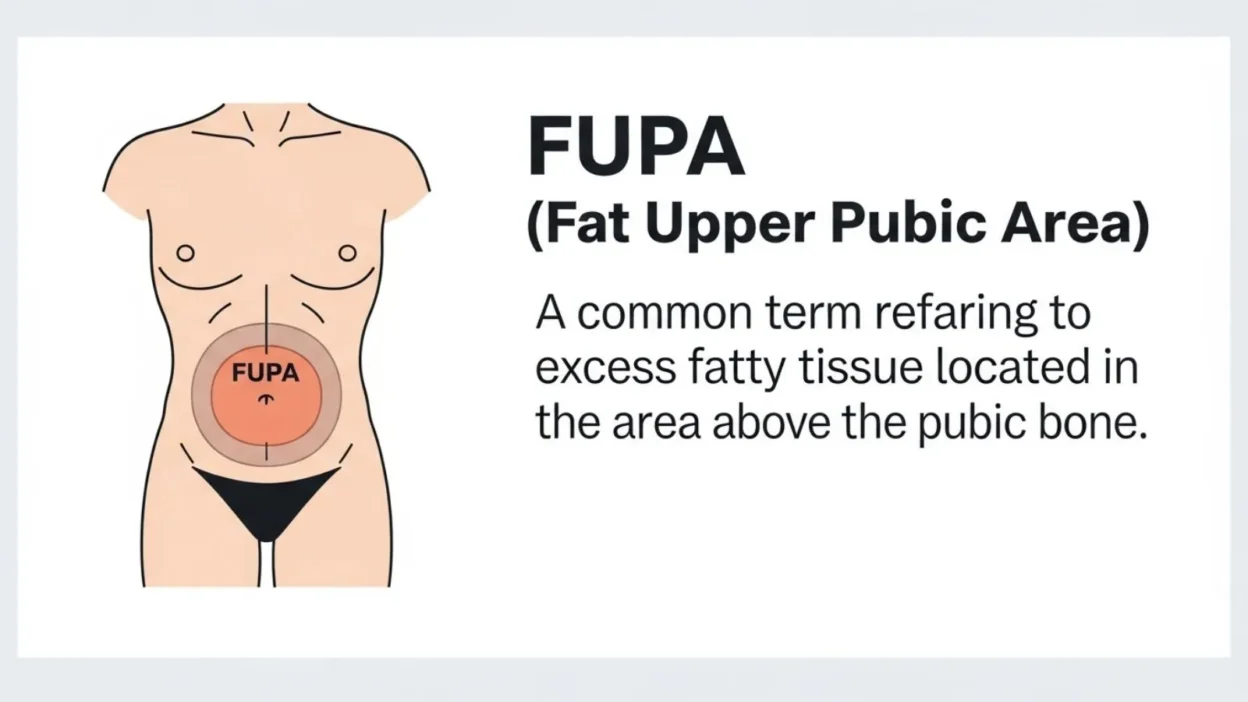
So, what exactly does FUPA stand for? In simple terms, FUPA is an acronym for Fat Upper Pubic Area, referring to the area above the pubic region where some excess fat can accumulate.
While the term may sound purely anatomical, it has evolved into a popular slang expression in pop culture, often appearing in memes, jokes, and casual conversations.
This article will break down the meaning of FUPA, explore its origins, discuss its cultural and social implications, and provide tips for understanding and using the term responsibly in everyday life.
Definition of FUPA
The term FUPA is an acronym that stands for “Fat Upper Pubic Area.” Anatomically, it refers to the region above the pubic bone where excess fat can accumulate. This area is naturally prone to fat storage due to genetics, hormonal changes, weight fluctuations, pregnancy, or aging. While the term has medical roots in describing body anatomy, it is most commonly used today in slang and pop culture contexts.
In everyday conversation, FUPA is often mentioned humorously or self-deprecatingly. People might use it to joke about body changes, especially after weight gain, childbirth, or lifestyle changes. Social media platforms like TikTok, Instagram, and Twitter have popularized the term, with users posting memes, videos, and challenges referencing FUPA in lighthearted ways. For example, someone might caption a photo with, “Embracing my FUPA because self-love matters,” blending humor with body positivity.
It’s important to understand that while FUPA is generally used casually, it can be sensitive for some individuals. Using the term in a joking or informal setting among friends is different from using it as an insult. In slang culture, FUPA has become a widely recognized term, often appearing in memes and viral content, highlighting its evolution from a simple anatomical reference to a popular cultural expression.
Origins of the Term
The term FUPA may sound like modern internet slang, but it has roots that trace back to both medical descriptions and casual body-related humor. Initially, FUPA was used in clinical or fitness discussions to describe the accumulation of fat in the upper pubic region, often linked to factors like weight gain, pregnancy, or hormonal changes. However, over time, the acronym migrated from medical or anatomical contexts into popular slang, largely fueled by online communities and meme culture.
The rise of social media platforms, particularly TikTok, Instagram, and Twitter, played a crucial role in FUPA’s evolution. Memes, viral videos, and humorous posts helped turn the term into a widely recognized part of internet language. Users began sharing content that joked about FUPA in self deprecating, relatable, or even empowering ways, making it more of a cultural reference than a strictly anatomical term.
Pop culture also contributed to its popularity. References in comedy sketches, online videos, and discussions about body image introduced FUPA to younger audiences, who embraced it as both a joke and a way to normalize body diversity. As a result, what was once a private anatomical term became part of everyday conversation, often used with humor, relatability, and sometimes body-positive messages.
Today, FUPA exemplifies how language evolves: from clinical terminology to slang, to a pop culture phenomenon, reflecting society’s growing comfort with discussing bodies openly even in humorous contexts.
Medical and Health Perspective
While FUPA is widely recognized as a slang term today, it also has relevance from a medical and health standpoint. The acronym refers to the Fat Upper Pubic Area, which is the region just above the pubic bone where fat naturally accumulates in some individuals. This area can be influenced by factors such as genetics, weight fluctuations, hormonal changes, and pregnancy. In medical discussions, excess fat in this region may sometimes be linked to overall body fat percentage and abdominal obesity.
Although FUPA itself is not a formal medical condition, awareness of this area can be important for health reasons. For example, excess fat around the lower abdomen and pubic region may contribute to discomfort, skin irritation, or reduced mobility in some individuals. Addressing FUPA through a combination of healthy diet, targeted exercise, and lifestyle changes can help improve overall fitness and body composition. Core exercises, cardio, and strength training targeting the lower abdomen are often recommended to tone the area, though it’s important to note that spot reduction is limited fat loss generally occurs throughout the body.
Beyond the physical aspect, understanding FUPA also touches on body positivity and mental health. Many people use the term humorously, but it’s important to avoid negative self-image or shaming. Embracing body diversity, practicing self-love, and maintaining realistic health goals can balance the conversation around FUPA. In this way, the term serves both as a cultural slang reference and a subtle reminder of health and wellness awareness.
FUPA in Pop Culture and Social Media
Over the past decade, FUPA has transitioned from a purely anatomical term to a widely recognized element of pop culture and social media humor. Platforms like TikTok, Instagram, Twitter, and YouTube have played a pivotal role in making FUPA a familiar term, often appearing in memes, viral videos, and trending challenges. Users frequently reference FUPA in a playful or self-deprecating way, creating content that is both relatable and entertaining.
Memes about FUPA often highlight the quirks and challenges of everyday life, from post-pregnancy body changes to lifestyle habits that affect the lower abdomen. Many creators use the term humorously to normalize body imperfections, turning what could be a sensitive topic into something lighthearted and relatable. For example, a TikTok video jokingly celebrating “embracing your FUPA” can generate thousands of likes and shares, blending comedy with a subtle message of self-acceptance.
Celebrities and influencers have also contributed to FUPA’s popularity. Mentions in interviews, comedy sketches, or social media posts amplify the term’s visibility, making it part of everyday internet vocabulary. This combination of humor, relatability, and mainstream attention has cemented FUPA as a cultural reference point, especially among younger audiences who engage with meme culture regularly.
Common Misunderstandings About FUPA
Although FUPA is widely recognized today, there are several misconceptions surrounding the term that often lead to confusion or misuse. One common misunderstanding is that FUPA is inherently offensive. While some people might use it jokingly or in a self-deprecating way, the term is not meant to shame others when used appropriately. Its tone depends heavily on context—among friends or in humorous social media posts, it is usually lighthearted, whereas using it in an insulting or derogatory manner can be offensive.
Another misconception is that FUPA refers only to heavier person individuals. In reality, the accumulation of fat in the upper pubic area can occur in people of different body types due to genetics, hormonal changes, pregnancy, or natural body composition. This highlights that FUPA is more about anatomy than appearance.
Some people also confuse FUPA with other acronyms or slang terms, which can lead to misinterpretation. Unlike other body-related slang terms, FUPA specifically refers to the upper pubic area, not the lower abdomen or other body parts.
Finally, some may assume that FUPA is a purely modern term invented by social media. While its popularity has certainly exploded online, it has origins in anatomical descriptions and fitness discussions, which were later adopted into slang.
Understanding these nuances is essential for using FUPA correctly, ensuring humor without offense, and distinguishing anatomical fact from internet exaggeration. Recognizing these misconceptions also contributes to a more informed and respectful discussion of body-related terms.
Tips for Using the Term Correctly
While FUPA has become a popular slang term in memes and social media, using it appropriately requires awareness and sensitivity. The first tip is to consider context. Among friends or in humorous online posts, FUPA can be a funny, relatable term. However, using it to mock or insult someone directly can be offensive, so always gauge the situation before referencing it.
Second, focus on humor without shaming. Many social media posts about FUPA combine self-deprecating humor with body positivity, turning a potentially sensitive topic into something relatable. For instance, captions like “Embracing my FUPA after quarantine” are lighthearted and encourage self-acceptance. Avoid using FUPA as a tool for body shaming, and remember that what may be funny to one person could be hurtful to another.
Third, understand the term’s meaning before using it. FUPA specifically refers to the Fat Upper Pubic Area, not general belly fat or other body parts. Misusing the term can make the joke confusing or appear uninformed.
Lastly, embrace body positivity. Even when joking about FUPA, promoting self-love and acceptance sends a positive message. Using the term responsibly ensures it remains a part of internet humor rather than a source of embarrassment or negativity. By following these simple tips, you can reference FUPA confidently and humorously while respecting others.
Frequently Asked Questions About FUPA
1. What does FUPA stand for?
FUPA is an acronym for Fat Upper Pubic Area. It refers to the region just above the pubic bone where fat tends to accumulate. While the term has anatomical origins, it is mostly used today as a slang expression in social media, memes, and casual conversation.
2. Is FUPA offensive?
FUPA is not inherently offensive, but context matters. Using it humorously or self-deprecatingly is generally acceptable. However, directing it at someone as an insult can be hurtful. The tone and audience are key to ensuring it’s not perceived as offensive.
3. Can FUPA be reduced naturally?
Yes, though spot reduction is limited. A combination of healthy diet, cardiovascular exercise, and strength training can help reduce overall body fat, including the upper pubic area. Core exercises targeting the lower abdomen may tone the area, but results vary by individual.
4. Is FUPA a medical term?
FUPA is primarily slang today. While it describes a real anatomical area, it is not a formal medical term. Health professionals may discuss excess fat in the lower abdomen or pubic region without using the acronym FUPA.
5. Why is FUPA popular online?
FUPA gained popularity through social media, memes, and pop culture references. Its humorous and relatable nature made it a viral slang term, often used to discuss body image, post-pregnancy changes, or lifestyle-related body transformations.
Conclusion:
In summary, FUPA, or Fat Upper Pubic Area, is a term that has evolved from a simple anatomical reference to a widely recognized element of slang, pop culture, and social media humor.
While it originally described a real area of fat accumulation above the pubic bone, FUPA is now most commonly used in memes, viral videos, and casual conversation to create humor, relatability, and even body positive messages. Understanding the term involves recognizing both its anatomical roots and its cultural significance.
It’s important to use FUPA appropriately, considering context, tone, and audience. Self deprecating jokes or lighthearted online posts are generally acceptable, whereas using it to shame or insult others can be harmful.
Ultimately, FUPA reflects the way language evolves in the digital age blending anatomy, humor, and pop culture.
By understanding its meaning, origin, and nuances, readers can engage with the term confidently, responsibly, and with a touch of humor.

The author behind RiddleBurst.com loves creating fun, clever, and unique riddles for all ages. Their goal is to challenge minds, bring smiles, and make learning through riddles both engaging and enjoyable.