
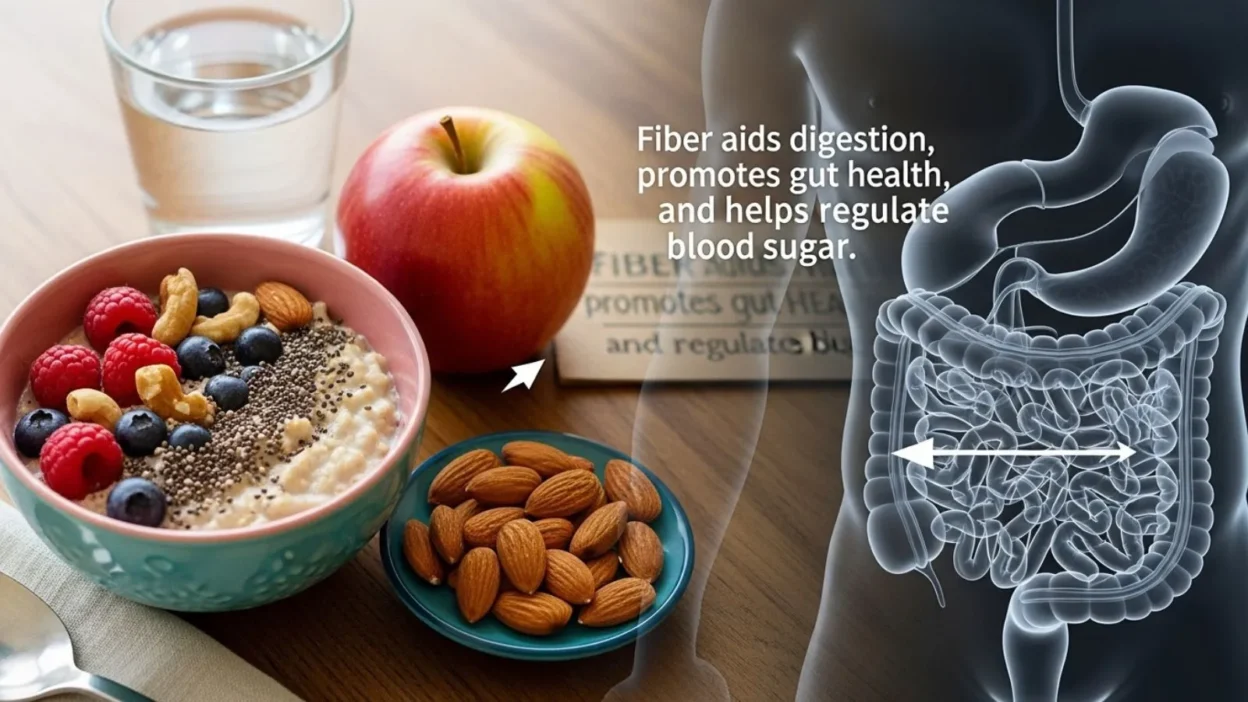
Fiber is one of the most essential nutrients often overlooked in our daily diet, yet it plays a crucial role in keeping our body healthy. Many people know fiber helps with digestion, but its benefits go far beyond just regulating bowel movements.
From supporting heart health and controlling blood sugar to aiding weight management, fiber is a true powerhouse nutrient. It comes in different forms soluble and insoluble each offering unique advantages for your body.
Despite its importance, most adults don’t get the recommended daily intake, which can lead to digestive issues, increased cholesterol, and even a higher risk of chronic diseases.
In this article, we’ll explore what fiber does, why it’s vital for your health, the best foods to include in your diet, and practical tips to ensure you’re getting enough. By the end, you’ll understand how this humble nutrient can transform your health naturally.
What Is Dietary Fiber & Its Types
Dietary fiber is a type of carbohydrate found in plant-based foods that your body cannot fully digest. Unlike other carbs that are broken down into sugars, fiber passes relatively intact through your digestive system. This unique property allows fiber to perform a range of important functions in the body, from supporting digestive health to regulating blood sugar and cholesterol levels.
Fiber is generally classified into two main types: soluble and insoluble, each offering distinct benefits. Soluble fiber dissolves in water to form a gel-like substance in the digestive tract. This type of fiber is particularly helpful in lowering cholesterol, stabilizing blood sugar levels, and supporting gut bacteria as a prebiotic. Common sources of soluble fiber include oats, apples, citrus fruits, beans, and flaxseeds.
On the other hand, insoluble fiber does not dissolve in water. Instead, it adds bulk to stool and helps move food through the digestive system efficiently. This promotes regular bowel movements, prevents constipation, and maintains overall digestive health. Good sources of insoluble fiber include whole grains, nuts, seeds, and vegetables like broccoli and carrots.
Some fibers, such as resistant starch and functional fibers, act as prebiotics and support the gut microbiome, enhancing overall digestion and immunity. Including a variety of fiber types in your diet ensures you reap all the health benefits fiber has to offer, from digestion to heart and metabolic health.
How Fiber Supports Digestion
One of the most well-known benefits of dietary fiber is its role in supporting a healthy digestive system. Fiber acts as a natural regulator for your bowel movements, ensuring that food moves smoothly through the digestive tract. Insoluble fiber, in particular, adds bulk to the stool, which helps prevent constipation and reduces the risk of digestive discomfort, bloating, and conditions such as hemorrhoids and diverticulitis.
Beyond promoting regularity, fiber also supports the gut microbiome—the community of beneficial bacteria living in your intestines. Certain fibers, like soluble fiber and resistant starch, are fermented by these bacteria, producing short-chain fatty acids that nourish the gut lining, reduce inflammation, and enhance nutrient absorption. This process not only improves digestive health but also strengthens the immune system.
Fiber can also help prevent digestive disorders over time. A high-fiber diet is linked to a lower risk of colon cancer and other gastrointestinal conditions. Additionally, fiber slows the digestive process, allowing your body to extract nutrients more efficiently and maintain steady energy levels.
Including a variety of fiber-rich foods, such as whole grains, vegetables, fruits, legumes, nuts, and seeds, ensures that your digestive system functions optimally. By supporting bowel regularity, feeding healthy gut bacteria, and promoting overall gut health, fiber is truly a cornerstone of a well-functioning digestive system.
Fiber and Heart Health
Fiber plays a vital role in maintaining a healthy heart, making it an essential nutrient for cardiovascular well-being. One of the primary ways fiber supports heart health is by lowering LDL cholesterol, often referred to as “bad” cholesterol. Soluble fiber, found in foods like oats, barley, beans, and apples, binds to cholesterol in the digestive system and helps remove it from the body. Lower cholesterol levels reduce the risk of plaque buildup in arteries, which can lead to heart disease and stroke.
In addition to cholesterol management, fiber helps regulate blood pressure and reduce inflammation, both of which are critical factors in preventing cardiovascular disease. Studies show that individuals who consume adequate fiber daily have a significantly lower risk of heart-related conditions compared to those with low fiber intake.
Fiber also supports weight management, which indirectly benefits heart health. By increasing feelings of fullness, fiber can help control calorie intake and prevent obesity—a major risk factor for heart disease.
Including a variety of fiber-rich foods, such as whole grains, legumes, vegetables, fruits, and nuts, provides a combination of soluble and insoluble fibers that collectively protect the heart. Even modest increases in daily fiber intake can have a measurable impact on cholesterol levels, blood pressure, and overall cardiovascular health.
In short, fiber is not just important for digestion; it’s a powerful nutrient for maintaining a strong, healthy heart and reducing the risk of life-threatening cardiovascular diseases.
Fiber and Blood Sugar Control
Fiber plays a crucial role in maintaining stable blood sugar levels, making it particularly important for people with diabetes or those at risk of developing the condition. Soluble fiber, which dissolves in water to form a gel-like substance, slows down the digestion and absorption of carbohydrates. This helps prevent rapid spikes in blood sugar after meals, providing more stable energy throughout the day. Foods rich in soluble fiber include oats, beans, lentils, apples, and citrus fruits.
In addition to controlling blood sugar, fiber can improve insulin sensitivity, allowing the body to use insulin more efficiently. This reduces the likelihood of developing insulin resistance, a major factor in type 2 diabetes. Research has consistently shown that a diet high in fiber is associated with a lower risk of type 2 diabetes and better long-term blood sugar management.
Fiber also helps regulate appetite and weight, which indirectly supports blood sugar control. By promoting feelings of fullness, high-fiber foods can reduce overeating and prevent sudden spikes in blood sugar caused by snacking on refined carbohydrates.
Including a variety of fiber-rich foods daily—such as vegetables, fruits, whole grains, and legumes—can make a significant difference in controlling blood sugar levels. Even small increases in fiber intake can improve post-meal glucose response and overall metabolic health.
In essence, fiber acts as a natural regulator for blood sugar, providing both immediate benefits after meals and long-term protection against diabetes and related metabolic disorders.
Fiber for Weight Management
Fiber is a powerful ally for anyone looking to maintain or lose weight. One of its key benefits is increasing feelings of fullness, which can naturally reduce overall calorie intake. High-fiber foods, such as fruits, vegetables, whole grains, legumes, nuts, and seeds, take longer to chew and digest, giving your brain more time to register that you are full. This can prevent overeating and unnecessary snacking between meals.
Soluble fiber, in particular, slows the absorption of sugar and fat, helping to stabilize blood sugar levels and reduce fat storage. Foods like oats, beans, lentils, and apples are excellent sources of soluble fiber that contribute to prolonged satiety. Insoluble fiber, found in whole grains, vegetables, and nuts, adds bulk to your diet without adding extra calories, promoting healthy digestion and regular bowel movements.
Another way fiber supports weight management is by reducing cravings. High-fiber meals maintain steady energy levels, preventing the sudden spikes and crashes in blood sugar that often trigger hunger and cravings for sugary or high-fat snacks.
Incorporating fiber into your diet is easy: start meals with vegetables or salads, choose whole-grain products over refined options, and include beans or lentils in soups and stews. Even small increases in daily fiber intake can lead to noticeable changes in appetite control and weight over time.
Ultimately, fiber doesn’t just help with digestion—it acts as a natural, sustainable tool for managing weight and improving overall health.
Recommended Fiber Intake
Getting enough fiber is essential for overall health, but most people fall short of the recommended daily intake. According to health experts, adult women should aim for about 25 grams of fiber per day, while adult men need around 38 grams. After age 50, the recommendation slightly decreases to 21 grams for women and 30 grams for men due to changes in caloric needs. Children also benefit from fiber, with daily requirements varying by age and size.
It’s important to increase fiber intake gradually, especially if your diet has been low in fiber. A sudden surge can cause bloating, gas, and digestive discomfort. Start by adding one high-fiber food per meal, such as fruits, vegetables, or whole grains, and gradually increase over a few weeks. Drinking plenty of water is equally crucial, as fiber absorbs water and helps move food through the digestive tract efficiently.
Fiber comes from a variety of sources, including fruits, vegetables, legumes, whole grains, nuts, and seeds. A balanced mix of soluble and insoluble fiber ensures maximum benefits for digestion, heart health, blood sugar control, and weight management.
Too little fiber can lead to constipation, irregular bowel movements, and an increased risk of chronic conditions such as heart disease and diabetes. Conversely, extremely high fiber intake without adequate fluids can also cause digestive issues.
By understanding your daily fiber needs and incorporating a variety of fiber-rich foods, you can maintain a healthy digestive system, stable blood sugar, and overall long-term wellness.
Best Fiber Rich Foods
Incorporating fiber into your diet is easier than it sounds, especially when you know which foods are naturally high in this essential nutrient. Fruits are an excellent source of fiber, particularly those eaten with the skin on, such as apples, pears, and berries. Citrus fruits like oranges and grapefruits also provide a good amount of soluble fiber, which supports digestion and heart health.
Vegetables are another fiber powerhouse. Leafy greens, broccoli, carrots, and Brussels sprouts are particularly high in insoluble fiber, helping to maintain regular bowel movements. Including a variety of colorful vegetables in your meals ensures you get both soluble and insoluble fiber, along with vitamins, minerals, and antioxidants.
Legumes like beans, lentils, and chickpeas are among the best sources of soluble fiber. They not only support digestion and blood sugar control but also promote heart health by reducing cholesterol levels. Adding legumes to soups, stews, salads, or even spreads can significantly boost your daily fiber intake.
Whole grains such as oats, quinoa, barley, brown rice, and whole-wheat products are rich in both types of fiber. Replacing refined grains with whole grains is a simple but effective way to increase fiber intake without changing your diet drastically.
Finally, nuts and seeds like almonds, chia seeds, and flaxseeds are excellent for adding fiber along with healthy fats. Sprinkling them on yogurt, oatmeal, or salads can provide a crunchy, nutritious boost.
By including a variety of these fiber-rich foods daily, you can meet your recommended intake while supporting digestion, heart health, blood sugar control, and weight management.
Fiber Supplements
While it’s always best to get fiber from whole foods, fiber supplements can be a helpful option for those who struggle to meet their daily requirements. Fiber supplements come in various forms, including powders, capsules, gummies, and chewable tablets, and often contain soluble fiber such as psyllium, inulin, or methylcellulose.
One of the main benefits of fiber supplements is convenience. They can be easily added to water, smoothies, or meals, making it simple to increase fiber intake quickly. Supplements can also help with digestive issues, such as constipation or irregular bowel movements, by promoting stool bulk and hydration. Certain supplements, like psyllium, can also aid in lowering cholesterol and supporting heart health.
However, fiber supplements are not a complete replacement for fiber-rich foods. Whole foods provide additional vitamins, minerals, antioxidants, and phytonutrients that supplements lack. It’s important to maintain a balanced diet alongside any supplement use.
When using fiber supplements, it’s essential to start slowly and drink plenty of water to prevent bloating, gas, or constipation. Gradually increasing dosage allows your digestive system to adjust. For most adults, taking 5–10 grams of supplemental fiber per day can provide noticeable benefits, though individual needs vary.
In summary, fiber supplements can be a practical solution for boosting intake, especially when dietary sources are limited. Combined with a variety of fiber-rich foods, they support digestive health, heart health, blood sugar regulation, and weight management effectively.
Common Myths About Fiber
Despite its proven health benefits, fiber is often misunderstood. Clearing up these misconceptions can help you make better choices for your diet and overall wellness.
Myth 1: Fiber is only for digestion.
While fiber certainly supports bowel regularity and gut health, its benefits extend far beyond digestion. Soluble fiber helps lower cholesterol, regulate blood sugar, support weight management, and even protect heart health. Insoluble fiber also plays a role in maintaining a healthy gut microbiome, which is linked to immune function and overall wellbeing.
Myth 2: More fiber is always better.
Although fiber is essential, excessively high intake without adequate water can lead to bloating, gas, constipation, and digestive discomfort. It’s important to meet recommended daily amounts gradually and balance fiber intake with proper hydration.
Myth 3: Fiber supplements can replace high-fiber foods.
While supplements can help fill gaps in your diet, they cannot provide the full range of nutrients found in fiber-rich foods like fruits, vegetables, whole grains, legumes, nuts, and seeds. Whole foods offer vitamins, minerals, and antioxidants that work synergistically with fiber for optimal health.
Myth 4: You can’t get enough fiber without eating special foods.
In reality, many everyday foods apples, beans, carrots, oatmeal, and whole-grain bread are naturally high in fiber. Incorporating a variety of these foods into meals and snacks can easily help you reach your daily goal.
FAQs About Fiber
1. Can fiber cause bloating or gas?
Yes, especially if your diet has been low in fiber and you suddenly increase intake. This is usually temporary as your digestive system adjusts. Gradually increasing fiber and drinking plenty of water can minimize bloating and gas.
2. Is fiber the same as carbohydrates?
Fiber is a type of carbohydrate, but unlike other carbs, it is not fully digested or absorbed by the body. Instead, it passes through the digestive system mostly intact, providing unique benefits such as improving bowel regularity and supporting gut health.
3. How long does it take to see benefits from fiber?
Some effects, like improved bowel regularity, can be noticed within a few days. Other benefits, such as lower cholesterol or improved blood sugar control, may take several weeks of consistent fiber intake.
4. Which fiber is best for digestion?
Insoluble fiber is particularly effective for promoting regular bowel movements, while soluble fiber supports gut bacteria and overall digestive health. A combination of both is ideal for optimal digestion.
5. Can children and older adults benefit from fiber?
Absolutely. Children need age-appropriate fiber to support growth and digestion, while older adults benefit from fiber to prevent constipation, support heart health, and regulate blood sugar.
6. Should I take fiber supplements?
Supplements can help if you struggle to meet daily fiber needs through food, but whole foods are preferred because they provide additional nutrients. Start slowly and drink plenty of water when using supplements.
Conclusion:
Fiber is an essential nutrient that plays a vital role in maintaining overall health. From supporting digestion and promoting regular bowel movements to regulating blood sugar, lowering cholesterol, and aiding weight management, fiber’s benefits are far reaching.
Including a variety of fiber types soluble, insoluble, and prebiotic fibers in your diet ensures that your body receives the full spectrum of advantages.
Incorporating fiber-rich foods such as fruits, vegetables, whole grains, legumes, nuts, and seeds is the most effective way to meet daily fiber needs.
These foods not only provide fiber but also supply essential vitamins, minerals, and antioxidants that work together to improve heart health, support gut bacteria, and boost metabolism.
Even modest increases in daily fiber intake can have significant positive effects on digestion, blood sugar regulation, and cardiovascular wellness.
For those who struggle to get enough fiber from food alone, supplements can serve as a helpful addition.
However, they should complement, not replace, whole foods, as the natural combination of nutrients in fiber-rich foods offers benefits that supplements alone cannot provide.
Ultimately, fiber is a powerful, natural tool for long term health. By gradually increasing your intake, staying hydrated, and choosing a variety of high fiber foods, you can improve digestion, manage weight, support heart health, and maintain stable blood sugar levels.

The author behind RiddleBurst.com loves creating fun, clever, and unique riddles for all ages. Their goal is to challenge minds, bring smiles, and make learning through riddles both engaging and enjoyable.