When it comes to major financial transactions, whether buying a home, selling a car, or hiring a freelancer online, both parties often worry about safety and trust.
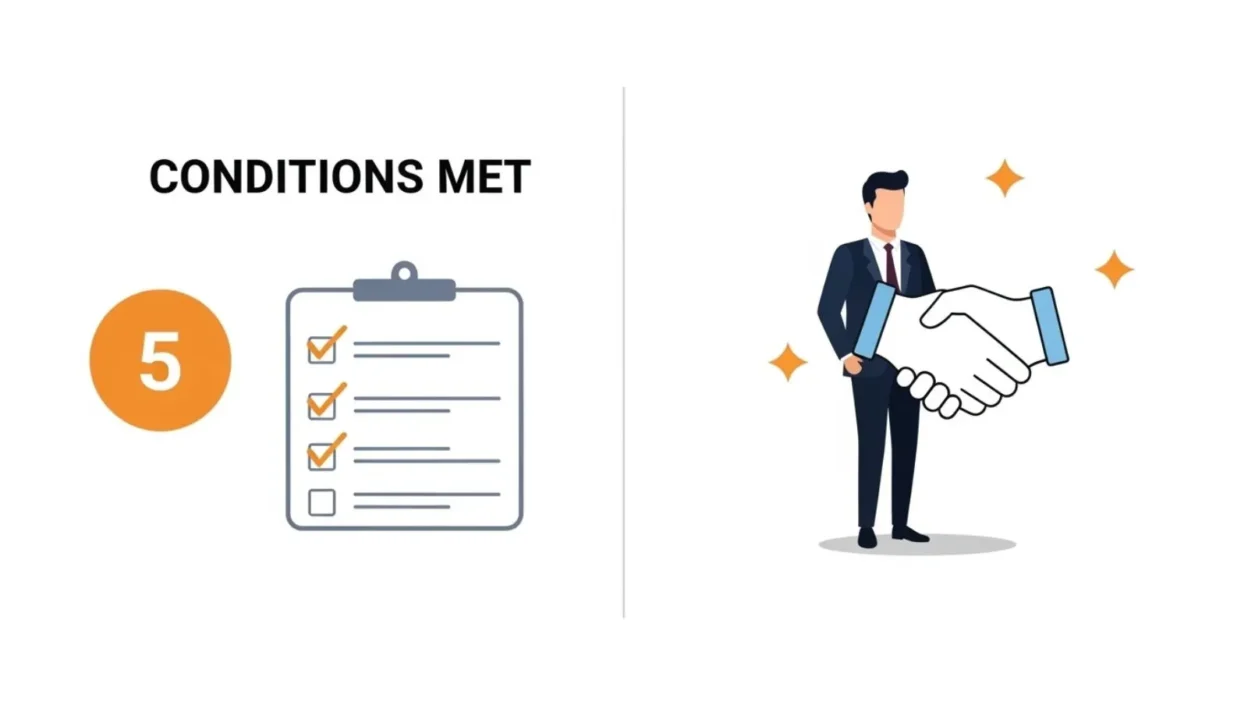
That’s where escrow comes in. But what does escrow mean exactly? Simply put, escrow is a financial arrangement in which a neutral third party temporarily holds money or assets until all the agreed upon conditions are met.
This ensures that neither the buyer nor the seller is at risk of losing their funds or property during the transaction. From real estate deals to online marketplaces, escrow provides a secure way to protect both parties and minimize disputes.
Understanding how escrow works, its benefits, and the situations where it’s necessary can save you time, money, and stress. In this article, we’ll break down everything you need to know about escrow, including its process, types, advantages, and tips for using it safely.
What Is Escrow? (Definition & Basics)
Escrow is a financial arrangement designed to provide security and trust between parties involved in a transaction. At its core, escrow involves a neutral third party—often called an escrow agent—who temporarily holds money, documents, or assets until certain conditions agreed upon by the buyer and seller are met. This system ensures that both sides fulfill their obligations before the funds or assets are released.
For example, in a real estate transaction, the buyer deposits the purchase price into an escrow account. The escrow agent keeps the funds safe while verifying that the seller meets all requirements, such as completing property inspections and signing legal documents. Once everything is confirmed, the escrow agent releases the money to the seller and transfers ownership to the buyer.
Escrow is not limited to real estate. It’s widely used in online marketplaces, freelance platforms, and business deals where trust and payment security are critical. Without escrow, transactions can be risky, leaving buyers vulnerable to fraud or sellers unsure of receiving payment.
Key features of escrow include neutrality, security, and conditional release of funds. By acting as a trusted middleman, escrow reduces risk, builds confidence, and ensures that both parties honor their agreements. Understanding these basics is the first step toward using escrow effectively in any transaction.
Importance of Escrow
Escrow plays a crucial role in financial transactions by providing a layer of security and trust that protects both buyers and sellers. Without escrow, parties often face risks such as fraud, miscommunication, or disputes over payment and delivery. By involving a neutral third party, escrow ensures that funds or assets are only released when all agreed-upon conditions are met, giving both sides peace of mind.
In real estate transactions, for example, escrow ensures that a buyer’s money is safe while the seller completes all necessary steps, such as inspections, repairs, and legal paperwork. Similarly, in online freelancing or e-commerce platforms, escrow protects freelancers from non-payment and buyers from paying for work that is incomplete or unsatisfactory.
Escrow also builds trust between parties who may not know each other personally. Knowing that a professional escrow agent holds the funds reduces anxiety and encourages smoother negotiations. Additionally, escrow can help prevent legal disputes by documenting the transaction process and clearly outlining the responsibilities of each party.
Beyond safety, escrow also offers financial transparency and accountability. Both parties can track the status of funds, understand the conditions for release, and ensure compliance with the agreement. For anyone engaging in high-value or remote transactions, understanding and using escrow is not just beneficial—it’s essential for minimizing risk, fostering trust, and ensuring successful, secure deals.
Types of Escrow
Escrow is a versatile tool used across different industries, and understanding the types of escrow can help you apply it effectively in various situations. While the basic principle remains the same—holding funds or assets with a neutral third party until conditions are met—the applications and processes can differ.
1. Real Estate Escrow:
This is the most common type of escrow. When buying or selling property, an escrow account ensures that the buyer’s funds are securely held while the seller fulfills all obligations, such as completing inspections, repairs, and legal paperwork. Only when all conditions are satisfied does the escrow agent release the funds and transfer property ownership.
2. Online or E-commerce Escrow:
With the rise of freelance work and online marketplaces, escrow has become essential for digital transactions. Platforms like Upwork or escrow.com hold payment from the client until the freelancer delivers work according to agreed terms. This protects both parties: clients don’t pay prematurely, and freelancers are guaranteed payment once the work meets the requirements.
3. Business and Legal Escrow:
Escrow is also used in business deals, mergers, and intellectual property agreements. Funds or assets may be held until contractual obligations, regulatory approvals, or other conditions are completed, minimizing risks for both parties.
4. Bank vs. Third-Party Escrow:
Some escrows are managed directly by banks, while others use independent third-party escrow companies. Choosing the right type depends on the transaction size, complexity, and the level of trust required.
How Escrow Works: Step by Step Process
Understanding how escrow works can make complex transactions simple and secure. While the details may vary depending on the type of transaction, the process generally follows a few clear steps:
1. Agreement Between Parties:
The buyer and seller agree on the terms of the transaction, including conditions for payment, delivery, or completion of services. These terms are documented and shared with the escrow agent.
2. Deposit Into Escrow Account:
The buyer or client deposits the funds into the escrow account managed by the neutral third party. This ensures the money is secure and cannot be accessed by either party prematurely.
3. Verification of Conditions:
The escrow agent monitors the transaction to ensure that all conditions are met. For example, in a real estate deal, this may involve confirming property inspections, legal paperwork, or loan approvals. In online freelancing, the agent verifies that the work meets agreed specifications.
4. Approval for Release:
Once all conditions are satisfied, the escrow agent obtains confirmation from both parties. Any disputes are addressed according to the agreement before funds are released.
5. Completion of Transaction:
The escrow agent releases the funds or assets to the seller or service provider, and the buyer receives the property, service, or product as agreed.
Benefits of Using Escrow
Escrow provides numerous advantages that make it an essential tool for secure and reliable transactions. One of the main benefits is safety. By having a neutral third party hold funds or assets, buyers and sellers can be confident that money or property will only change hands once all agreed-upon conditions are fulfilled. This minimizes the risk of fraud or non-payment.
Another key benefit is trust and transparency. Escrow builds confidence between parties, especially in high-value transactions or when the buyer and seller do not know each other personally. Both sides can track the status of the funds and verify that all requirements are being met before finalizing the transaction.
Dispute reduction is another significant advantage. Because the escrow agent oversees the process and ensures conditions are clearly documented, disagreements are less likely to escalate. If a dispute arises, the agent acts as a mediator and follows the terms of the agreement, preventing costly legal battles.
Escrow also provides financial accountability. The funds are documented and tracked, which is valuable for both personal record-keeping and legal purposes. This transparency is particularly useful for businesses, real estate transactions, and freelance work.
Finally, escrow promotes peace of mind. Both parties know that the transaction is being handled professionally, securely, and fairly. Whether it’s buying a home, hiring a freelancer, or closing a business deal, escrow ensures that the process is smooth, reliable, and risk-free.
Risks and Limitations of Escrow
While escrow provides significant security and peace of mind, it’s important to understand that it is not entirely risk-free. One potential limitation is fees and costs. Escrow services often charge a percentage of the transaction or a flat fee, which can add up, especially in high-value deals. These fees vary depending on the type of escrow and the service provider, so it’s important to factor them into your budget.
Another consideration is dependence on the escrow agent. The process relies heavily on the integrity and efficiency of the escrow company or agent. Choosing an unlicensed, inexperienced, or dishonest agent could create delays, mismanagement, or even disputes.
Delays in fund release can also be a challenge. If there are any discrepancies, incomplete documents, or unmet conditions, the release of funds or assets may take longer than expected. This can cause frustration, especially in time-sensitive transactions.
Additionally, escrow cannot prevent all disputes or fraud. While it reduces risk significantly, parties must still carefully review contracts, verify information, and follow legal procedures. Escrow serves as a neutral intermediary but cannot replace due diligence.
Finally, some transactions may have legal or regulatory limitations, particularly in international deals, where different laws or banking regulations apply. It’s essential to understand local requirements before using escrow.
By being aware of these risks and carefully choosing a reputable escrow service, you can mitigate potential issues while still benefiting from the security and trust that escrow provides.
How to Choose the Right Escrow Service
Selecting the right escrow service is crucial for ensuring a secure, smooth, and reliable transaction. Not all escrow providers are created equal, so careful evaluation is essential.
1. Licensing and Regulation:
Start by verifying that the escrow service is properly licensed and regulated. In many countries, escrow companies must comply with banking or financial regulations, which provides an additional layer of protection. Licensed services are also more accountable and less likely to engage in fraudulent practices.
2. Reputation and Reviews:
Check the provider’s reputation online. Look for reviews from past clients, testimonials, and any history of complaints. A reputable escrow service will have a proven track record of handling transactions efficiently and professionally.
3. Fee Structure:
Understand the fees involved. Escrow services typically charge either a flat fee or a percentage of the transaction. Compare different providers to ensure you are getting fair pricing without hidden costs.
4. Customer Support:
Strong customer support is essential, especially if questions or disputes arise during the transaction. Choose a service that offers responsive support through multiple channels, including phone, email, or chat.
5. Security Measures:
Ensure the escrow provider uses secure methods for storing and transferring funds. Encryption, secure banking partnerships, and proper verification procedures are critical for protecting your money and sensitive information.
6. Terms and Conditions:
Finally, read the terms and conditions carefully. Understand the process for releasing funds, dispute resolution, and any potential limitations before committing to a service.
Escrow in Different Industries (Practical Applications)
Escrow is a versatile tool used across multiple industries to secure transactions and build trust between parties. Understanding how escrow applies in different contexts can help you decide when and how to use it effectively.
1. Real Estate:
Real estate is the most common use of escrow. When buying a home, the buyer deposits funds into an escrow account while the seller completes inspections, repairs, and legal documentation. The escrow agent ensures that all conditions are met before releasing the money, preventing fraud and protecting both parties.
2. Online Freelancing and Marketplaces:
In the digital world, escrow is crucial for freelance platforms like Upwork, Fiverr, or escrow.com. Clients deposit payment for a project into escrow, and the freelancer only receives it after delivering work that meets the agreed specifications. This protects clients from paying for incomplete work and guarantees payment to freelancers for completed tasks.
3. Business Transactions:
Escrow is often used in mergers, acquisitions, and other business deals. Funds or assets are held until all contractual obligations, regulatory approvals, or due diligence steps are completed. This minimizes risk and ensures fairness in complex transactions.
4. Intellectual Property and Legal Agreements:
Escrow can hold sensitive documents, patents, or source code until conditions in licensing or legal contracts are fulfilled. This prevents disputes and protects intellectual property rights.
Common FAQs About Escrow
Understanding escrow can sometimes be confusing, especially for first-time users. Here are answers to some of the most frequently asked questions about escrow.
1. Is escrow only for large transactions?
No. While escrow is often used in high-value deals like real estate or business mergers, it can also be applied to smaller transactions, such as freelance projects or online purchases. The key is whether both parties need protection and trust in the exchange.
2. Who manages an escrow account?
Escrow accounts are managed by neutral third parties, known as escrow agents. These can be banks, licensed escrow companies, or online platform providers. Their role is to hold funds safely and release them only when the agreed-upon conditions are met.
3. What happens if conditions aren’t met?
If the terms of the agreement are not fulfilled, the escrow agent does not release the funds. Disputes are resolved according to the contract, which may involve renegotiation, mediation, or returning funds to the buyer.
4. Can escrow be used internationally?
Yes, international escrow services exist, but it’s important to understand the legal and banking regulations in each country. Reputable international escrow providers ensure compliance and secure cross-border transactions.
5. Are there fees for using escrow?
Yes. Escrow services typically charge a fee, which may be a flat rate or a percentage of the transaction. Fee structures vary by provider, so it’s important to review terms before using the service.
Conclusion:
Escrow is a powerful tool that ensures security, trust, and fairness in a wide range of transactions.
By involving a neutral third party to hold funds or assets until all conditions are met, escrow protects both buyers and sellers from fraud, disputes, and financial loss.
If in real estate, online marketplaces, freelance work, or business deals, escrow provides a structured, transparent process that gives all parties confidence and peace of mind.
While there are fees and potential delays, choosing a reputable escrow service with proper licensing, strong customer support, and secure procedures can minimize risks and make transactions smooth and reliable.
Understanding how escrow works, its benefits, and practical applications is essential for anyone engaged in high value or remote transactions.
By using escrow wisely, you can safeguard your money, protect your interests, and ensure that every deal is completed fairly and securely.