Epsom salt is a common household product that has been used for generations, yet many people still ask the same question: what does Epsom salt do? Found in bathrooms, gardens, and home remedy cabinets, Epsom salt is known for its wide range of uses, from relaxing sore muscles to supporting plant growth.
Unlike regular table salt, Epsom salt is made of magnesium sulfate, a mineral compound linked to muscle function, stress relief, and overall wellness.
People often add it to warm baths, foot soaks, or skincare routines in hopes of easing pain, reducing inflammation, and promoting relaxation.
Others use it in gardening to help plants grow greener and healthier. But how much of this is backed by science, and how much is based on tradition and personal experience?
In this guide, we’ll explore what Epsom salt does, how it works, its proven and claimed benefits, potential risks, and the safest ways to use it in everyday life.
What Is Epsom Salt?
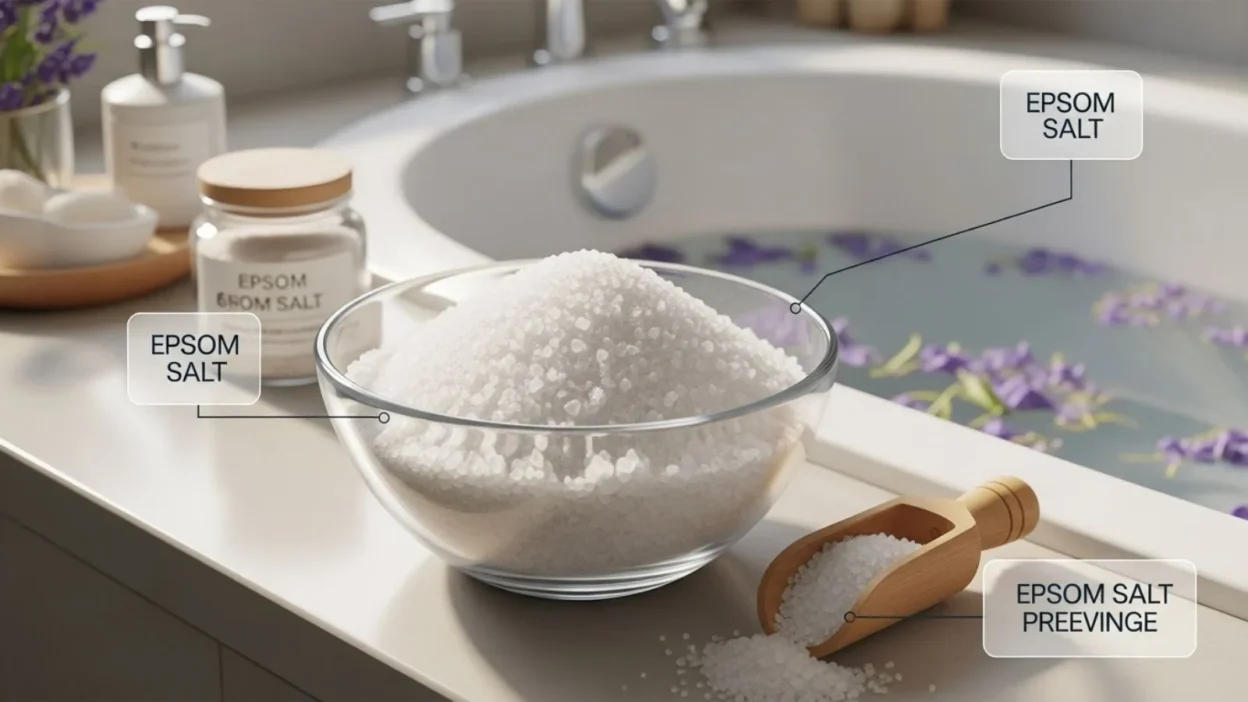
Epsom salt is a naturally occurring mineral compound known scientifically as magnesium sulfate. Despite its name, it is not the same as regular table salt. Table salt is made of sodium chloride, while Epsom salt contains magnesium, sulfur, and oxygen—elements that play different roles in the body and the environment. This unique composition is what gives Epsom salt its wide range of uses.
The name “Epsom salt” comes from the town of Epsom in Surrey, England, where the mineral was originally discovered in natural spring water during the 17th century. People noticed that the water had soothing and medicinal properties, leading to the extraction and use of the crystalline substance we now call Epsom salt.
Epsom salt appears as small, colorless crystals that dissolve easily in water. It is odorless and has a slightly bitter taste, which is why it has historically been used as a laxative under medical guidance. Today, it is widely available in pharmacies, grocery stores, and gardening centers.
There are different grades of Epsom salt designed for specific purposes. Pharmaceutical-grade Epsom salt is intended for bathing and personal care, while agricultural-grade Epsom salt is used to improve soil magnesium levels for plants. Although they share the same chemical structure, only high-purity Epsom salt should be used on the body.
Understanding what Epsom salt is—and how it differs from other salts—helps explain why it’s valued for relaxation, pain relief, skincare, and gardening rather than everyday seasoning or cooking.
How Epsom Salt Works
Epsom salt works because of its two key components: magnesium and sulfate. Both minerals play important roles in the body, which is why Epsom salt has long been associated with relaxation, pain relief, and overall wellness.
Magnesium is essential for hundreds of biological processes, including muscle contraction, nerve signaling, and energy production. When magnesium levels are low, people may experience muscle cramps, tension, fatigue, and difficulty relaxing. This connection is one reason Epsom salt baths are commonly used to soothe sore muscles and reduce physical discomfort after exercise or long days of activity.
Sulfate also serves important functions. It helps the body form proteins, maintain healthy joints, and support natural detoxification pathways in the liver. Sulfates are involved in flushing toxins and aiding nutrient absorption, which contributes to the belief that Epsom salt can help the body feel refreshed and restored.
A common claim is that magnesium from Epsom salt can be absorbed through the skin during bathing. While warm water opens pores and increases blood flow, scientific evidence on significant magnesium absorption through the skin remains limited and mixed. However, many experts agree that the relaxing effect of warm water itself, combined with the soothing nature of the soak, can reduce stress and muscle tension regardless of absorption levels.
In short, Epsom salt works through a combination of mineral properties, heat, and relaxation. Whether its benefits come from mineral absorption, muscle relaxation, or the calming ritual of soaking, many people find Epsom salt helpful for easing physical strain and promoting comfort.
What Does Epsom Salt Do for the Body?
Epsom salt is most commonly used to support physical comfort and relaxation, especially when added to warm baths or soaks. One of its most well-known benefits is muscle relaxation. After physical activity, long hours of standing, or intense workouts, soaking in Epsom salt is believed to help ease muscle soreness, tightness, and cramps. Many people report feeling lighter and less tense after an Epsom salt bath.
Another commonly cited benefit is pain and inflammation relief. Individuals with joint discomfort, arthritis, or general body aches often use Epsom salt soaks to help reduce stiffness and improve mobility. While scientific evidence is limited, the combination of warm water and relaxation may help increase circulation, which can temporarily relieve pain and improve comfort.
Epsom salt is also associated with stress reduction. Magnesium plays a role in regulating the nervous system and stress hormones, which is why Epsom salt baths are often recommended as part of self-care routines. The calming effect of soaking can help quiet the mind, reduce tension, and promote a sense of overall well-being.
In addition, some people believe Epsom salt supports detoxification by helping the body eliminate toxins through the skin. Although this claim lacks strong scientific backing, many users still find that regular soaking helps them feel refreshed and rejuvenated.
Overall, what Epsom salt does for the body may vary from person to person. While not a cure-all, it can be a simple, affordable way to promote relaxation, ease physical discomfort, and support daily wellness when used safely.
What Does Epsom Salt Do for Muscles and Pain?
One of the most popular reasons people use Epsom salt is for muscle relief and pain management. Athletes, fitness enthusiasts, and individuals with physically demanding routines often turn to Epsom salt baths to help soothe sore and overworked muscles. After intense activity, muscles can feel tight and fatigued, and soaking in warm water with Epsom salt may help them relax more quickly.
Epsom salt is frequently used to ease muscle cramps and spasms. Magnesium plays a key role in muscle contraction and relaxation, and low magnesium levels are sometimes linked to cramping and stiffness. While research on magnesium absorption through the skin is still limited, many people find that Epsom salt soaks provide noticeable comfort and relief.
In addition to muscle soreness, Epsom salt is commonly used for joint pain and inflammation. People dealing with arthritis, back pain, or neck stiffness often use Epsom salt baths or compresses as a complementary approach to managing discomfort. The warmth of the water helps increase blood flow to affected areas, which can reduce stiffness and improve flexibility, even if only temporarily.
Epsom salt is also popular for post-workout recovery. A 15–20 minute soak after exercise can help the body unwind, reduce tension, and promote relaxation. Many users say this routine helps them feel more refreshed and less sore the following day.
While Epsom salt is not a medical treatment for chronic pain, it can be a simple and natural way to support muscle recovery and manage everyday aches when used alongside proper rest and hydration.
What Does Epsom Salt Do for Skin?
Epsom salt is not only popular for muscle relief but is also widely used in skincare routines due to its exfoliating and soothing properties. When dissolved in water or mixed with oils and scrubs, Epsom salt can help remove dead skin cells, leaving the skin smoother and softer. Its granular texture makes it an effective natural exfoliant without harsh chemicals, which is why many people add it to DIY body scrubs or foot treatments.
Beyond exfoliation, Epsom salt is often used for reducing skin inflammation. People with minor irritations, redness, or swelling sometimes apply Epsom salt soaks to calm the skin. Warm Epsom salt baths can help soothe conditions like mild eczema flare-ups or sunburned areas, though it should not replace medical treatment for serious skin issues.
Epsom salt is also popular for acne and blemish control. Its magnesium content may help reduce inflammation, while the soaking process can help cleanse pores and reduce excess oil. Many users report fewer breakouts or less noticeable irritation after regular Epsom salt baths or targeted soaks.
Additionally, Epsom salt is a favorite for foot care. Foot soaks with Epsom salt can soften calluses, relieve soreness, and reduce swelling or minor foot odor. Athletes or individuals on their feet for long hours often use it to refresh tired feet and maintain healthy skin.
While Epsom salt benefits the skin in multiple ways, it is important to avoid overuse. Excessive soaking or abrasive scrubbing can lead to dryness or irritation. Used properly, Epsom salt is a gentle, natural way to enhance skin health and comfort.
What Does Epsom Salt Do for Stress and Sleep?
Epsom salt is widely recognized for its relaxation benefits, making it a popular addition to bedtime routines. The key to these effects lies in magnesium, a mineral that plays a crucial role in regulating the nervous system. Adequate magnesium levels help manage stress hormones, support healthy nerve function, and promote a feeling of calm throughout the body. Soaking in a warm Epsom salt bath can create a soothing environment that encourages relaxation and mental clarity.
The warm water itself also contributes significantly to stress relief. Immersing the body in a gentle, heated bath can reduce muscle tension, improve blood circulation, and stimulate the production of feel-good neurotransmitters like serotonin. The combination of warmth and magnesium creates a comforting ritual that many people find deeply calming after a long day.
Epsom salt baths can also support better sleep quality. Stress and anxiety often interfere with rest, and magnesium may help regulate sleep by promoting relaxation of the muscles and mind. People who struggle with insomnia or restlessness sometimes use an evening Epsom salt soak to prepare their body for sleep, helping them fall asleep faster and enjoy deeper rest.
While Epsom salt is not a cure for chronic stress or sleep disorders, it is a simple, affordable, and natural way to enhance self-care routines. By combining its mineral benefits with the therapeutic effects of warm water, Epsom salt offers a practical approach to reducing tension, calming the mind, and supporting overall well-being.
What Does Epsom Salt Do for Plants and Gardening?
Epsom salt is not only valued for personal care but also widely used in gardening due to its magnesium content. Magnesium is a critical nutrient for plants because it is a central component of chlorophyll, the molecule responsible for photosynthesis. Without adequate magnesium, plants may develop yellowing leaves, stunted growth, or reduced fruit and flower production. Adding Epsom salt to soil or as a foliar spray can help correct magnesium deficiencies and support healthy plant development.
Gardeners often use Epsom salt for specific plants that are particularly sensitive to magnesium levels, such as tomatoes, peppers, roses, and houseplants like orchids. When applied correctly, it can improve leaf color, enhance flowering, and even increase fruit yield. The sulfate component also contributes sulfur, another nutrient essential for protein production and overall plant metabolism.
However, Epsom salt should be used carefully, as overuse can harm plants. Excess magnesium may interfere with the absorption of other important nutrients, like calcium and potassium, leading to imbalances in the soil. It is important to test soil and follow recommended guidelines for application, such as sprinkling a small amount around the base of plants or mixing it with water for a foliar spray.
While Epsom salt is not a miracle solution, when used thoughtfully, it can be a simple and effective tool in gardening. By providing essential minerals, it helps plants grow stronger, healthier, and more vibrant, making it a favorite natural supplement among gardeners worldwide.
Is Epsom Salt Safe to Use?
While Epsom salt is generally considered safe for most people, it is important to use it properly to avoid potential side effects. When used externally in baths, foot soaks, or scrubs, it is typically well-tolerated and poses minimal risk. However, improper or excessive use can sometimes cause skin irritation, dryness, or allergic reactions, especially in individuals with sensitive skin. It’s always recommended to test a small area first if you are using Epsom salt topically for the first time.
When it comes to internal use, such as taking Epsom salt as a laxative, safety becomes more critical. Oral consumption should only be done in moderation and according to package instructions or a healthcare provider’s guidance. Overconsumption of magnesium sulfate can lead to digestive issues, including diarrhea, nausea, and abdominal cramping. People with kidney problems, heart conditions, or pregnant individuals should consult a doctor before ingesting Epsom salt to avoid potential complications.
For gardening purposes, Epsom salt is safe when used in recommended amounts, but over-application can harm plants by upsetting soil nutrient balance. Excessive use may reduce calcium or potassium availability, negatively affecting plant growth.
To maximize benefits and minimize risks, it is essential to follow proper guidelines for your intended use. Whether for bathing, skincare, or gardening, using the correct dosage, frequency, and application method ensures safety and effectiveness. When used thoughtfully, Epsom salt can be a safe, natural, and versatile tool for both personal care and plant care.
Epsom Salt Myths vs Facts
Epsom salt has been surrounded by numerous claims and home remedies over the years, but not all of them are scientifically accurate. Understanding the difference between myths and facts can help you use it effectively and safely.
One common myth is that magnesium is fully absorbed through the skin during an Epsom salt bath. While some studies suggest minimal absorption may occur, current research shows that most benefits likely come from the warm water and relaxation, rather than direct mineral absorption. The calming effect of a soak, combined with improved circulation from heat, is often what makes people feel relief.
Another widespread misconception is that Epsom salt acts as a detoxifier, drawing toxins out through the skin. There is no scientific evidence supporting this claim. The liver and kidneys are the body’s primary detox systems, and Epsom salt does not directly enhance their function. However, baths can still leave the body feeling refreshed and relaxed.
Some believe that Epsom salt can cause weight loss. While soaking in a warm bath may temporarily reduce water retention or bloating, it does not burn fat or significantly alter metabolism. Weight loss claims are therefore exaggerated.
On the factual side, Epsom salt is indeed effective for soothing sore muscles, reducing inflammation, and supporting relaxation. It can also improve skin exfoliation and provide magnesium and sulfur for plants. When used correctly, these benefits are consistent and supported by experience, even if some claims remain anecdotal.
By separating myths from facts, you can enjoy Epsom salt safely and focus on the uses that truly offer benefits.
How to Use Epsom Salt Properly
Using Epsom salt correctly is key to enjoying its benefits while avoiding potential side effects. For bathing, the most common method is to add about 2 cups of Epsom salt to a warm bath. Soak for 15–20 minutes, allowing your body to relax and your muscles to ease tension. Adding a few drops of essential oils, like lavender or eucalyptus, can enhance the relaxation experience. Make sure the water temperature is comfortable—not too hot—to prevent skin irritation or dizziness.
For foot soaks, dissolve ½ to 1 cup of Epsom salt in a basin of warm water. Soak your feet for 10–15 minutes to relieve soreness, reduce swelling, and soften rough skin. Foot soaks are especially helpful after long days of standing or walking, or for maintaining healthy skin on the feet.
In skincare applications, Epsom salt can be mixed with natural oils or used as a gentle scrub to exfoliate dead skin cells. Always use it lightly, especially on sensitive areas, and rinse thoroughly afterward. Over-scrubbing can cause dryness or irritation.
For gardening, Epsom salt can be sprinkled around plants or dissolved in water for a foliar spray. Recommended amounts vary depending on the plant, but a common guideline is 1 tablespoon per gallon of water or 1–2 tablespoons per foot of soil. Avoid overuse, as excessive magnesium can upset soil nutrient balance.
By following these instructions, you can maximize Epsom salt’s benefits for your body, skin, and plants while staying safe. Proper usage ensures effectiveness and prevents negative effects, making Epsom salt a versatile and reliable tool for everyday wellness and gardening care.
Frequently Asked Questions (FAQs)
1. What does Epsom salt do when you soak in it?
Soaking in Epsom salt can help relax muscles, reduce soreness, and ease minor aches. The warm water improves circulation, while magnesium may support relaxation and stress relief.
2. Can Epsom salt help with muscle cramps and pain?
Yes, many people use Epsom salt baths or compresses to relieve muscle cramps, stiffness, and post-workout soreness. While magnesium absorption through the skin is minimal, the combination of warmth and soaking provides comfort.
3. Is Epsom salt good for the skin?
Epsom salt works as a gentle exfoliant, helping remove dead skin cells and smooth rough areas. It may also reduce mild inflammation and soften calluses, especially when used in foot soaks.
4. Can you use Epsom salt every day?
Daily use is generally safe for baths or foot soaks, but overuse can cause skin dryness or irritation. Internal use (as a laxative) should only be done occasionally and under guidance.
5. What does Epsom salt do for plants?
Epsom salt provides magnesium and sulfur, which are essential nutrients for plants. It can improve leaf color, flowering, and fruit production, especially in magnesium-deficient soil. Overuse can harm plants by upsetting nutrient balance.
6. Is Epsom salt safe for everyone?
For most people, topical use is safe. Oral consumption should be done cautiously, particularly by pregnant individuals, children, or those with kidney or heart issues.
7. Does Epsom salt help with detox or weight loss?
There is no scientific evidence that Epsom salt detoxifies the body or causes fat loss. Its benefits are mostly related to muscle relaxation, skin care, and plant nutrition.
Conclusion:
Epsom salt is a versatile and widely used mineral compound with benefits that extend from personal care to gardening.
Its combination of magnesium and sulfate makes it popular for relaxing sore muscles, easing stress, improving sleep, and soothing the skin.
Regular baths, foot soaks, or gentle scrubs can provide comfort and relaxation, while proper use in the garden can enhance plant growth and leaf health.
Despite its popularity, it’s important to separate myths from facts. Epsom salt does not detoxify the body or directly cause weight loss, and absorption through the skin is limited.
Using it thoughtfully, following recommended dosages, and understanding its limitations ensures safety and effectiveness.
Overall, Epsom salt is a simple, natural, and affordable solution for enhancing wellness, relieving minor discomfort, and supporting plants, making it a valuable addition to your home and self-care routine when used responsibly.

The author behind RiddleBurst.com loves creating fun, clever, and unique riddles for all ages. Their goal is to challenge minds, bring smiles, and make learning through riddles both engaging and enjoyable.