Elbows up is a phrase you might hear in casual conversation, fitness classes, or even social etiquette discussions but what does it really mean? While it might sound simple, the meaning of crook up can vary greatly depending on the context.
In body language, raising your elbows can signal confidence, assertiveness, or even defensiveness. In fitness and exercise, elbows up is often a key instruction for proper posture during workouts, yoga, or dance routines.
Socially, it may appear in discussions about etiquette, especially dining, where traditional rules often tell us to keep crook off the table, making crook up a humorous or casual exception.
There’s even a slang or metaphorical usage, suggesting someone is ready for action or taking charge. In this guide, we’ll explore all the different meanings of crook up how to interpret it correctly, and tips for applying it in everyday life.
Literal Meaning of Elbows Up
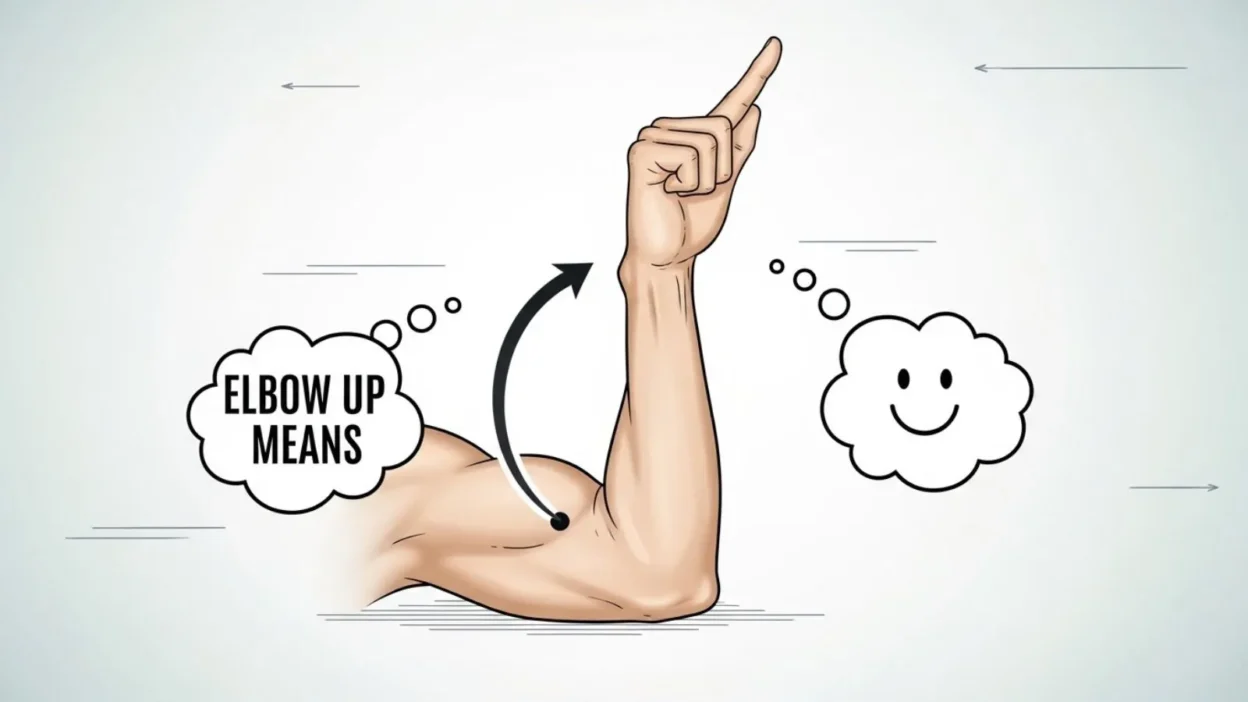
At its most basic, “elbows up” simply refers to the physical act of raising your elbows away from your body. This literal meaning is straightforward: your upper arms lift so that the elbows are positioned higher than the torso. In everyday situations, people might raise their elbows when stretching, reaching for objects on a high shelf, or adjusting clothing. Even holding a bag or other items may require temporarily lifting the elbows.
In exercise and physical training, the literal “elbows up” position becomes more structured. Trainers often emphasize keeping elbows lifted during squats, planks, or push-ups to maintain proper alignment and protect joints. In yoga or dance, elbows up helps with balance, form, and controlled motion.
Understanding this literal meaning is the foundation for interpreting the phrase in more nuanced contexts, such as body language, etiquette, and even slang. Knowing how to perform “elbows up” correctly ensures you can apply it safely and read others’ posture accurately.
Elbows Up in Body Language
In body language, raising your elbows can communicate much more than a simple posture. Elbows up often relates to nonverbal cues that convey confidence, assertiveness, or, in some cases, defensiveness. When someone sits or stands with elbows slightly lifted, it can indicate engagement and self-assurance. For example, a person leaning forward with crook up may appear attentive and confident in conversation.
However, context matters. crook up can also suggest tension or aggression. Crossing arms with elevated crook may indicate a defensive stance or discomfort. In crowded or formal settings, overly prominent elbows may dominate personal space or appear unintentionally rude.
Cultural differences also influence interpretation. In some societies, elevated elbows are seen as confident, while in others, they can appear confrontational. Observing surrounding cues like facial expressions and posture helps interpret the meaning accurately.
Understanding the body language aspect of crook up allows you to read social situations more effectively and use your own posture to communicate confidence or openness.
Elbows Up in Fitness and Exercise
In fitness and exercise, “elbows up” is a common instruction emphasizing proper form and alignment. Maintaining elbows in an elevated position ensures correct muscle engagement and reduces the risk of injury.
In strength training, exercises like push-ups, planks, and shoulder presses rely on crook up to protect the shoulders and improve efficiency. For instance, keeping crook slightly outward during push-ups engages the chest, shoulders, and arms without straining joints. In squats or overhead lifts, crook up helps maintain posture and balance.
In yoga and Pilates, crook up guides participants to open the chest, stabilize the shoulders, and engage the core. Movements like plank-to-chaturanga transitions require lifted elbows for safe execution.
Even in dance or martial arts, elbows up is essential. Dancers lift elbows for balance and aesthetic lines, while martial artists keep crook elevated to protect the torso and generate power.
Proper elbows up technique enhances performance, prevents injury, and ensures maximum benefit from exercises, making it a key focus in training programs.
Elbows Up in Etiquette and Fashion
The phrase also appears in social and fashion contexts, carrying meanings distinct from fitness or body language. In etiquette, traditional rules advise keeping elbows off the table, as elevated elbows can be seen as impolite. In casual settings, however, elbows up is often overlooked and may even be used humorously.
In fashion and modeling, crook up enhances posture and creates visually appealing lines. Photographers may instruct models to lift crook to elongate the torso, highlight arm shape, and convey confidence. On the runway or in promotional imagery, crook up contributes to poise and elegance.
Socially, crook up can indicate personality traits. Individuals who gesture with elevated crook may appear energetic, expressive, or assertive, while keeping crook low may suggest reserve or shyness.
In these contexts, crook up is less about function and more about impression, influencing how others perceive confidence, style, and engagement.
Figurative and Slang Uses of Elbows Up
Beyond literal and social meanings, “elbows up” has figurative and slang usage. Metaphorically, it represents assertiveness, readiness, or action. For example, someone might say, “Time to get your elbows up,” meaning it’s time to engage, take charge, or face a challenge.
In online and meme culture, crook up humorously depicts preparedness or high energy. Social media posts, GIFs, and gaming communities often use it to show determination or readiness for a challenge.
The figurative usage connects body posture to mindset, showing how a simple gesture can symbolize confidence and proactivity. Context determines interpretation, with casual situations embracing humor and motivation, while professional settings may require careful use.
Cultural and Historical References
Historically, the concept of elbows up appears across literature, media, dance, martial arts, and sports. In literature or stage directions, crook up is used to convey readiness, alertness, or poise. Characters preparing for action or performing precise movements are often described this way.
In dance and martial arts, elbows up maintains alignment, balance, and aesthetic lines. Ballet and contemporary dance emphasize lifted elbows for elegance, while martial arts use elevated crook for protection and effective strikes.
In sports, elbows up signals defensive readiness or preparation for movement. Boxing, wrestling, and fencing rely on elbow elevation for defense and agility.
These examples show that crook up has long-standing functional and symbolic significance, communicating readiness, control, and grace across disciplines.
Common Misunderstandings About Elbows Up
Despite its simplicity, elbows up is often misunderstood. In social settings, raised elbows may appear rude, especially at formal dinners. In fitness, improper placement can lead to strain or injury. Not every elevated elbow position is correct for exercises like push-ups or overhead lifts.
In body language, elevated elbows can indicate confidence, but also defensiveness or aggression, depending on accompanying gestures. Cultural differences further influence interpretation, making context essential.
Observing the environment, body cues, and purpose ensures crook up is interpreted accurately and applied appropriately in any setting.
FAQs About Elbows Up
Is elbows up considered rude?
It depends on context. In formal dining, it can be impolite. In casual settings, exercise, or modeling, it’s acceptable.
How do you properly perform elbows up in workouts?
Keep elbows slightly outward to protect joints and engage muscles. Follow instructor guidance for push-ups, planks, squats, and lifts.
Can elbows up indicate confidence?
Yes. In body language, slightly elevated elbows paired with upright posture signal confidence and engagement.
Does elbows up have a slang meaning?
Yes. Figuratively, it conveys readiness, assertiveness, or action, often used humorously online.
Conclusion:
Elbows up is a versatile phrase with literal, figurative, and social significance. Literally, it refers to raising the crook, important for posture and exercise. In body language, it can signal confidence, engagement, or defensiveness.
Socially and in etiquette, it may be casual or humorous, while in fashion, it enhances posture and visual appeal. Figuratively, it symbolizes readiness, assertiveness, and action.
Cultural and historical contexts show its enduring functional and symbolic significance across dance, sports, martial arts, and literature.
Understanding the multiple meanings of crook up allows you to interpret others’ gestures accurately and use the posture to convey confidence, poise, and readiness in a variety of settings.