In today’s digital world, the term bio pops up everywhere from social media profiles to professional websites and academic portfolios.
But what does it actually mean? At its core, bio is short for biography, which is a brief summary of a person’s life, experiences, or achievements.
On platforms like Instagram, Twitter, or LinkedIn, your bio is often the first thing people notice it’s your chance to make a strong first impression in just a few lines.
Beyond social media, bio can also refer to scientific contexts, such as biology, bioengineering, or anything life related, giving the term multiple layers of meaning.
Understanding these different uses is essential whether you’re crafting a personal profile, a professional introduction, or simply interpreting the bios you encounter online.
In this article, we’ll explore what “bio” means, the various contexts it’s used in, and practical tips for writing a clear, engaging, and memorable bio.
Definition of Bio
The term “bio” is an abbreviation of the word biography, which comes from the Greek words bios (life) and graphia (writing). A biography is essentially a written account of someone’s life, achievements, and experiences. In modern usage, however, “bio” has taken on a more concise and versatile meaning. Rather than a full-length story, a bio is typically a short summary that highlights the most important aspects of a person’s life, work, or identity.
On social media platforms, a bio is a small section of text—often just one or two sentences—designed to introduce yourself to the world. It may include your profession, interests, accomplishments, or even a touch of personality and humor.
For Example:
an Instagram bio might read: Photographer | Coffee lover | Exploring the world one city at a time. In professional contexts, a bio is more formal, summarizing your education, career highlights, and expertise to establish credibility.
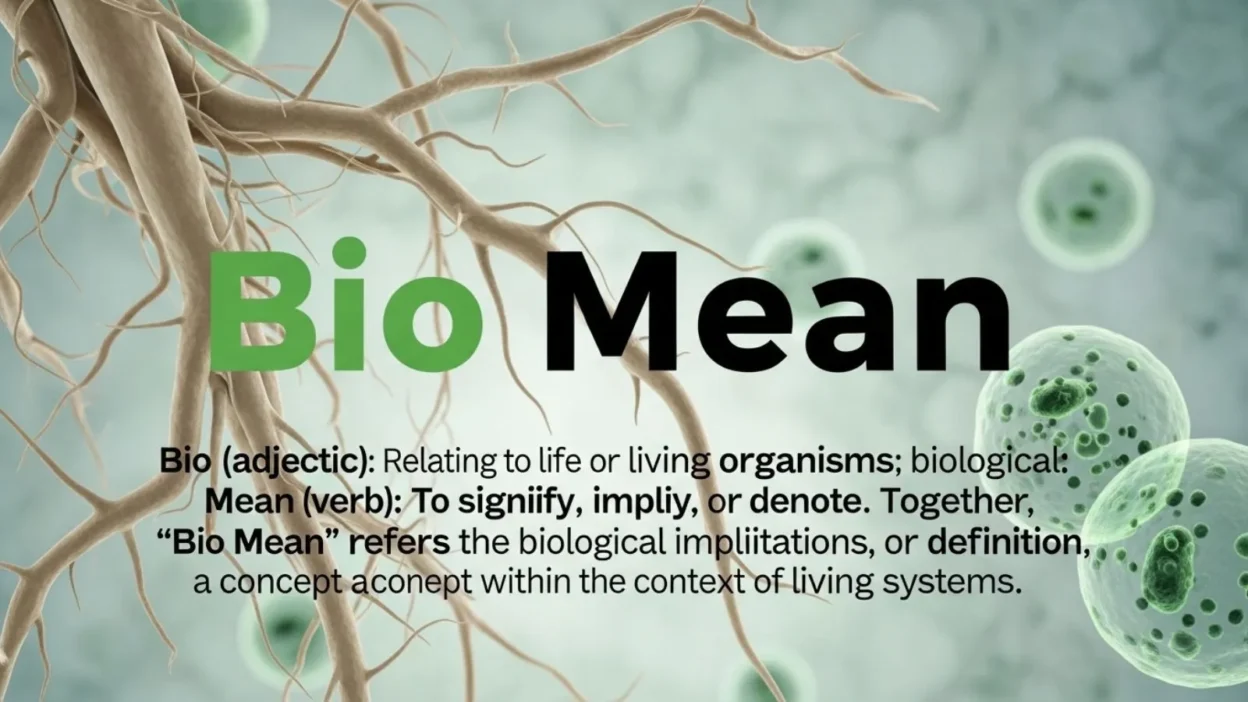
Interestingly, “bio” can also appear outside personal introductions. In science or environmental contexts, “bio” functions as a prefix relating to life, such as in biology, bioengineering, or biodegradable, showing its connection to living things.
Overall, whether used in social media, professional settings, or scientific contexts, a bio serves the purpose of giving others a snapshot of who you are or what something relates to. Its brevity and clarity make it one of the most important tools for communication in both personal and professional life.
Different Contexts Where “Bio” Is Used
The term “bio” is versatile, and its meaning can change depending on the context. Understanding these contexts helps you use and interpret bios correctly.
1. Social Media Bios
On platforms like Instagram, Twitter, LinkedIn, and TikTok, a bio is the first impression you make online. It’s a short, concise summary that communicates who you are, what you do, and sometimes your personality. Social media bios often include your profession, hobbies, interests, or a memorable quote. For example, a Twitter bio might say: “Writer ✍️ | Coffee enthusiast ☕ | Sharing daily inspiration.” Social media bios are usually limited by character count, so every word must count.
2. Academic and Professional Bios
In professional or academic settings, a bio is a more formal summary. It highlights your educational background, career accomplishments, certifications, and key skills. For instance, a LinkedIn bio might read: “Marketing strategist with 10+ years of experience helping startups grow their digital presence. MBA graduate from XYZ University.” These bios establish credibility and make networking or collaboration more effective.
3. Scientific Meaning
In science, “bio” often serves as a prefix relating to life. Terms like biology, bioengineering, or biodegradable all reference living organisms or life processes. Here, “bio” is less about personal identity and more about scientific classification or study.
In short, whether for social media, professional branding, or scientific terminology, a bio provides a snapshot—a concise way to communicate essential information efficiently and clearly.
Importance of a Well Written Bio
A bio may seem like a small piece of text, but it carries a lot of weight. Whether online or offline, a well-written bio is your first impression, and first impressions often last. On social media, a strong bio can help you stand out in a crowded digital space, attract followers, and give people a clear idea of who you are and what you do. For example, a concise, engaging Instagram bio can turn casual visitors into loyal followers by quickly conveying your personality and interests.
In professional contexts, a bio is equally crucial. It establishes your credibility and authority, summarizing your skills, achievements, and experience in a way that builds trust. Employers, clients, or collaborators often read bios before making decisions, so clarity and professionalism are essential. A compelling bio can open doors to networking opportunities, speaking engagements, job offers, or partnerships.
Beyond personal and professional uses, a well-crafted bio also reflects your personal brand. It shows that you know how to present yourself effectively, communicate concisely, and highlight what makes you unique. A strong bio also makes it easier for people to remember you, increasing your visibility in both online searches and real-life interactions.
In short, a well-written bio is not just a summary of who you are—it’s a strategic tool for communication, networking, and personal branding. Investing time in crafting your bio ensures that every introduction, whether virtual or face-to-face, leaves a positive and lasting impression.
Components of an Effective Bio
Creating a compelling bio involves more than just listing facts—it’s about presenting yourself clearly, concisely, and memorably. A strong bio typically includes several key components, tailored to the context in which it will appear.
1. Personal Bio Elements
For social media or casual introductions, a personal bio should include your name, hobbies, interests, or passions. It’s also an opportunity to show personality through humor, creativity, or unique phrases. A personal bio might read: Traveler 🌍 | Coffee person with substance abuse disorder ☕ | Sharing stories from the road.” Including a short call-to-action, such as a website link or invitation to follow, can make your bio more interactive.
2. Professional Bio Elements
Professional bios require a more structured approach. Key components include job title, skills, accomplishments, and education. Highlighting achievements or certifications demonstrates credibility and expertise. For example: “Software engineer specializing in AI and machine learning, with 5+ years of experience developing scalable applications. MSc in Computer Science from ABC University.” These elements help establish trust and make networking more effective.
3. Short vs. Long Bios
A short bio is concise, often one to three sentences, and works well for social media, guest posts, or speaker introductions. A long bio, which may be several paragraphs, is suitable for portfolios, LinkedIn profiles, or professional websites, providing a fuller picture of your experience and personality.
By combining these components thoughtfully, you can craft a bio that is clear, engaging, and purpose-driven, leaving a strong impression on anyone who reads it.
How to Write a Great Bio
Writing a great bio is about clarity, relevance, and personality. Whether it’s for social media, a professional profile, or an academic introduction, your bio should communicate who you are and what makes you unique.
1. Keep It Clear and Concise
A bio should be easy to read and understand. Avoid long paragraphs or unnecessary details. Focus on the most important information, such as your profession, skills, interests, or key accomplishments. For social media, a short, punchy bio works best, while professional bios may include more detail without becoming overwhelming.
2. Choose the Right Perspective
Decide whether to write in first-person (“I am a graphic designer…”) or third-person (“Jane Doe is a graphic designer…”). First-person bios feel personal and approachable, while third-person bios are often more formal and professional.
3. Highlight Achievements and Skills
Include notable accomplishments, certifications, or experiences that demonstrate your expertise. For professional bios, this helps establish credibility and authority. For personal bios, highlight hobbies, passions, or unique traits that reflect your personality.
4. Add a Personal Touch
Your bio should give readers a sense of who you are. This can be done through humor, a favorite quote, emojis, or a distinctive style. Small touches make your bio memorable.
5. Include a Call to Action (Optional)
For social media or professional networking, adding a simple CTA—like “Follow me for tips” or a link to your portfolio—can engage your audience and drive action.
By following these strategies, you can create a bio that is informative, engaging, and tailored to your audience, ensuring it leaves a strong and lasting impression.
Examples of Effective Bios
Seeing examples can help you understand how to craft a bio that stands out. The style and content of a bio often depend on the platform and purpose.
1. Social Media Bios
Social media bios are usually short, creative, and personality driven.
For Example:
- Instagram: Traveler 🌍 | Coffee lover ☕ | Capturing moments one photo at a time.
- Twitter: Tech enthusiast 💻 | Sharing tips on productivity & AI | Opinions my own.
These examples combine interests, personality, and clarity in just a few words, making them memorable and engaging.
2. Professional Bios
Professional bios are more formal and focus on skills, achievements, and credibility. For instance:
- LinkedIn: Marketing strategist with 8+ years of experience helping startups grow their online presence. MBA graduate from XYZ University. Passionate about data-driven campaigns and creative storytelling.”
- Corporate website: Dr. Jane Smith is a pediatrician specializing in childhood nutrition and wellness. She has published multiple research papers and regularly speaks at national conferences.”
These bios provide enough detail to establish expertise while remaining readable and professional.
3. Academic or Research Bios
Academic bios highlight education, research focus, and publications:
- John Doe is a PhD candidate in environmental science at ABC University, focusing on sustainable energy solutions. His research explores innovative ways to reduce carbon emissions.”
By studying these examples, you can see how tone, length, and content change based on context. A great bio is adaptable, informative, and reflective of your personality or professional brand, making it easier for readers to connect with you or understand your work.
Common Mistakes to Avoid When Writing a Bio
Writing a bio might seem simple, but there are several pitfalls that can make it ineffective or even off putting. Being aware of these mistakes can help you create a stronger, more professional bio.
1. Being Too Vague
A bio that lacks specifics fails to give readers a clear understanding of who you are. Phrases like I’m a creative person don’t provide concrete information. Instead, include specific skills, achievements, or interests that make your bio meaningful.
2. Overloading with Information
Trying to include everything about yourself can overwhelm readers. Long, wordy bios are hard to read and often dilute your key points. Focus on the most relevant details and keep it concise, especially for social media or short introductions.
3. Using Jargon or Complex Language
While technical terms may be appropriate in academic or professional bios, excessive jargon can alienate your audience. Make sure your bio is understandable to the intended reader, whether it’s potential followers, clients, or colleagues.
4. Neglecting Updates
A bio left unchanged over months or years can become outdated. Roles, accomplishments, or interests may evolve, so regularly review and update your bio to keep it accurate and relevant.
5. Ignoring Tone and Style
Tone matters. A bio that is too formal may seem cold, while one that is overly casual may appear unprofessional. Match your bio’s tone to your platform and audience for maximum impact.
Avoiding these common mistakes ensures your bio is clear, engaging, and representative of your personality or professional brand, making it easier to connect with others and leave a lasting impression.
Advanced Tips for Bio Optimization
Once you’ve mastered the basics of writing a bio, there are several strategies to optimize it for visibility, engagement, and impact. These advanced tips help your bio stand out on social media, professional platforms, or personal websites.
1. Use Keywords Strategically
In professional and online contexts, including relevant keywords can improve discoverability.
For Example:
A LinkedIn bio might include keywords like digital marketing, SEO, content strategy to ensure your profile appears in searches by recruiters or clients. On social media, hashtags or trending keywords can also increase reach.
2. Incorporate a Memorable Hook
A strong opening line grabs attention. Start with something unique about yourself, a bold statement, or a compelling description.
For Example:
Turning ideas into immersive digital experiences is more memorable than simply stating a job title.
3. Optimize for Platform Constraints
Different platforms have different character limits and formatting options. Instagram allows emojis and line breaks, while LinkedIn supports longer paragraphs and bullet points. Tailor your bio to fit the style and limits of each platform.
4. Include Calls to Action (CTAs)
Encourage engagement by adding a CTA. Examples include “Follow for daily design tips”, “Check out my portfolio”, or “Contact me for collaborations”. CTAs make your bio interactive and purposeful.
5. Keep It Updated
Regularly revisiting your bio ensures it reflects current achievements, skills, or interests. An updated bio keeps your personal or professional brand relevant and trustworthy.
Fun and Creative Uses of Bio
While bios often serve practical purposes, they can also be playful, creative, and interactive, helping you stand out in both social media and professional contexts. A creative bio can convey personality, spark interest, and make you memorable.
1. Showcase Personality
Your bio is a chance to let your unique voice shine. On social media, humor, emojis, or clever wordplay can make your bio more engaging.
For Example:
Cat whisperer 🐱 | Coffee enthusiast ☕ | Meme curator for hire” combines interests and personality in a memorable way.
2. Tell a Mini Story
A bio can tell a brief story about who you are or what you do.
For Example:
From small town artist to gallery curator, sharing my journey one painting at a time. This approach gives readers context and makes your profile more relatable.
3. Use Interactive Elements
Many platforms allow links, hashtags, or CTAs. You can include links to your blog, portfolio, or favorite project.
For Example:
Check out my latest project link encourages interaction and engagement.
4. Seasonal or Event-Based Updates
Some users update their bios for holidays, promotions, or campaigns. For example: “Spreading holiday cheer 🎄 | New prints available this December!” This keeps your profile fresh and relevant.
5. Experiment and Test
Creative bios allow experimentation. Try different tones, formats, or emojis to see what resonates with your audience. Monitoring engagement can guide future bio updates.
By thinking beyond basic descriptions, you can turn your bio into a dynamic, attention-grabbing tool that reflects your personality, highlights your work, and invites others to connect with you. Creativity and authenticity make your bio truly memorable.
FAQs About Bio
1. What does bio stand for?
Bio” is short for biography, which is a brief summary of a person’s life, achievements, or background. It can also be used as a prefix in scientific terms related to life, such as biology or bioengineering.
2. What should I include in a bio?
A bio should include key details such as your name, profession, skills, achievements, and interests. For social media, you can also add personality, emojis, or a short call-to-action.
3. How long should a bio be?
The length depends on context. Social media bios are usually 1–3 sentences, professional bios may be 2–4 paragraphs, and academic bios can be more detailed. The key is to keep it concise but informative.
4. Can I use the same bio for all platforms?
While some core details can remain the same, it’s best to tailor your bio for each platform. Social media may allow more casual language and emojis, whereas LinkedIn or professional websites require formal tone and detailed achievements.
5. How often should I update my bio?
You should update your bio regularly to reflect new skills, roles, achievements, or changes in interests. An up-to-date bio ensures accuracy and relevance.
6. Can a bio be creative or humorous?
Yes! Social media bios especially benefit from creativity, humor, and personal touches. A memorable bio can help you stand out and make a strong impression.
Conclusion:
A bio is much more than just a few lines of text it is a powerful tool for communication, branding, and connection.
If you’re crafting a social media profile, a professional LinkedIn page, or an academic introduction, a well written bio provides a clear snapshot of who you are, what you do, and what makes you unique.
Understanding the different contexts in which bio is used from personal and professional summaries to scientific applications helps you tailor your message effectively.
By including essential components, avoiding common mistakes, and incorporating creativity or keywords when appropriate, you can make your bio informative, engaging, and memorable.
Remember, your bio often serves as the first impression for anyone encountering you online or offline, so investing time and thought into it can pay off in stronger connections, greater visibility, and a lasting positive impact.