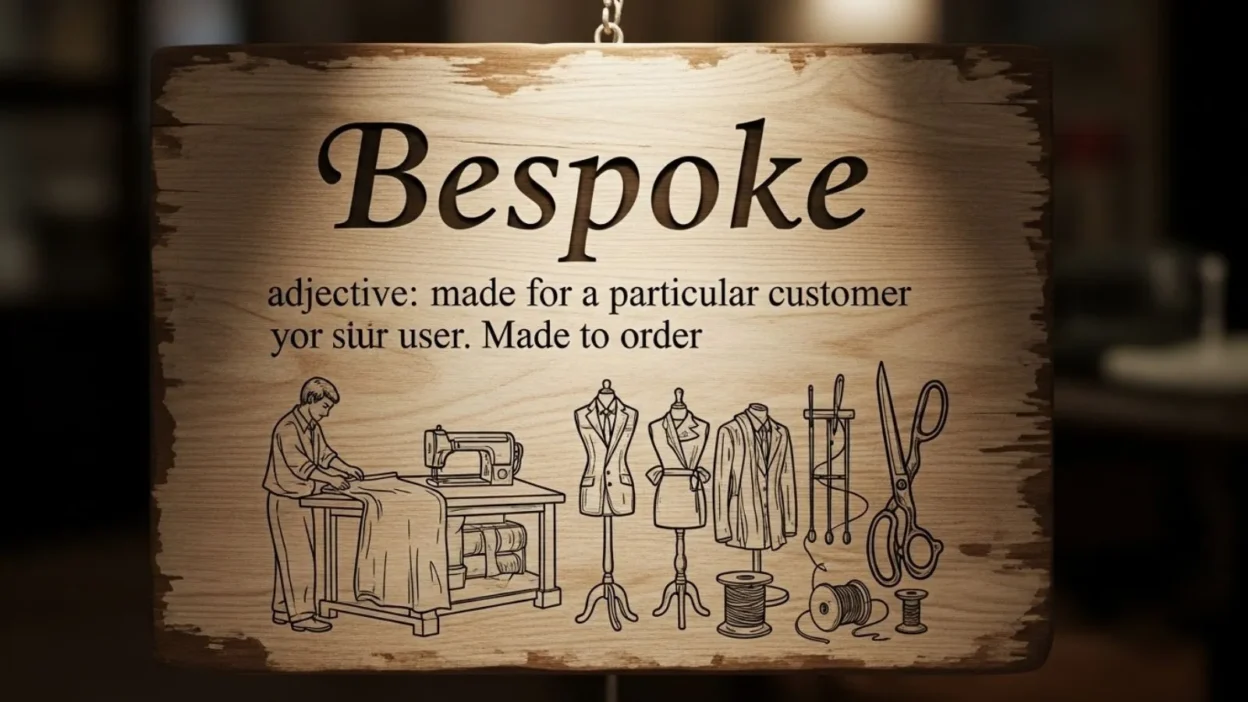
The word Bespoke has become increasingly popular in today’s world of fashion, lifestyle, and luxury services, but many people still wonder:
what does bespoke mean? Originally rooted in the tailoring industry, the term comes from the verb bespeak, meaning to speak for something, and referred to clothing made to an individual’s exact specifications.
Over time, it evolved beyond suits and shoes to describe anything fully personalized, custom made, or tailored to an individual’s preferences.
From handcrafted furniture and luxury travel experiences to software solutions and exclusive jewelry, it products and services are all about uniqueness, attention to detail, and superior quality.
Unlike generic or mass produced items, it items reflect individuality and craftsmanship, offering a level of precision and personal touch that is unmatched.
In this article, we’ll explor it, helping you understand why this term has become synonymous with exclusivity and luxury.
History and Origin of Bespoke
The term “bespoke” has a rich history that dates back several centuries, originally rooted in the world of tailoring. The word comes from the verb bespeak, which literally meant to speak for something or to order in advance. In the 17th and 18th centuries, it was used primarily in London’s tailoring industry to describe clothing made specifically for a client who had spoken for a particular suit, coat, or garment. This early usage emphasized personalization, precision, and craftsmanship, distinguishing it clothing from ready-made, off-the-rack items.
As the Industrial Revolution introduced mass production and standardization, it tailoring remained a symbol of exclusivity and refinement. Tailors who offered it services prided themselves on working closely with clients to ensure every measurement, detail, and material was perfectly suited to the individual. This focus on personalization and craftsmanship is still the cornerstone of bespoke services today.
Over time, the term expanded beyond fashion. Modern businesses began using “bespoke” to describe services and products designed entirely around a customer’s unique requirements. From software solutions and furniture to luxury travel and jewelry, the concept of bespoke now encompasses any item or service that is custom-made, tailored, and exclusive. Understanding this history helps explain why bespoke carries a sense of prestige, quality, and individuality, setting it apart from ordinary, mass-produced alternatives.
Modern Definition of Bespoke
In today’s world, the meaning of “bespoke” has expanded far beyond its origins in tailoring, though its core idea remains the same: something made specifically for an individual’s needs or preferences. Modern bespoke products and services are designed to offer a level of personalization, quality, and uniqueness that mass-produced alternatives cannot match.
In fashion, bespoke still refers to garments like suits, shoes, or accessories that are entirely custom-made for the wearer. Every detail—from fabric choice to stitching, lining, and fit—is tailored precisely to the client’s specifications. In lifestyle and interior design, bespoke furniture, decor, and even travel experiences are crafted to match individual tastes, ensuring that no two creations are exactly alike.
The term has also found a place in technology and business. For example, bespoke software solutions, websites, or mobile applications are designed from scratch to address the specific needs of a company or individual, rather than relying on generic templates. Even services like bespoke marketing campaigns, jewelry, or fragrances highlight the same principle: personalization, exclusivity, and attention to detail.
While the words “custom-made” and “tailored” are often used interchangeably with bespoke, true bespoke implies a higher degree of uniqueness and collaboration. It suggests that the product or service is built from the ground up, rather than adapted from pre-existing options. In essence, modern bespoke represents luxury, individuality, and superior craftsmanship, whether in clothing, products, or services, offering an experience that is as unique as the person it is designed for.
Bespoke vs Custom vs Tailored
Understanding the differences between it, custom, and tailored can help you appreciate the true meaning of it and avoid confusion when choosing products or services. While these terms are sometimes used interchangeably, each carries a distinct nuance.
Bespoke refers to items or services created entirely from scratch to meet an individual’s exact specifications. Every detail is designed and crafted in collaboration with the client. For example, a it suit involves selecting fabric, lining, buttons, and design elements, with precise measurements taken and fittings scheduled to ensure a perfect fit. The process is highly personalized and often considered a luxury experience.
Custom usually describes something that is adapted or modified from an existing template. While there is some level of personalization, it is not built entirely from scratch. For instance, a custom shirt might allow choices in fabric or sleeve length, but it follows a standard pattern or design. Custom products are generally more accessible and less expensive than bespoke items, but they offer less uniqueness.
Tailored is most commonly used in fashion and typically refers to items adjusted to fit the wearer. While tailoring improves fit and comfort, it does not necessarily involve designing or crafting a product from the ground up. Tailoring can also apply to off-the-rack items that are altered for better fit.
In summary, it = fully personalized from scratch, custom = adapted to individual preferences, and tailored = adjusted for fit. Recognizing these differences ensures that when you invest in a product or service labeled “bespoke,” you are getting true individuality, craftsmanship, and exclusivity rather than a partially modified standard item.
Why Bespoke Is Perceived as Luxurious
The term bespoke has long been associated with luxury, and for good reason. At its core, bespoke represents individuality, craftsmanship, and exclusivity, qualities that set it apart from mass-produced or even custom-made alternatives. Unlike standard products, every bespoke item is designed specifically for one person, often involving close collaboration with the creator or service provider. This level of personalization instantly elevates the perception of value.
One of the main reasons bespoke is considered luxurious is the attention to detail. From hand-stitching in fashion to precise measurements in furniture design, bespoke items often require more time, skill, and expertise to produce. This meticulous process ensures that every aspect of the product meets the highest standards of quality and aesthetics.
Additionally, bespoke products are often made from premium materials, which further contributes to their luxurious appeal. Whether it’s rare fabrics for a suit, high-quality leather for shoes, or it’s wood finishes for furniture, the combination of superior materials and craftsmanship creates a product that is both functional and prestigious.
Another factor is exclusivity. Bespoke items are one-of-a-kind, meaning that the owner has something truly unique. This uniqueness appeals to people who value individuality and the prestige of owning something that cannot be replicated.
Ultimately, the luxury of bespoke lies not just in the product itself, but in the experience—from conception to final creation, the process reflects care, attention, and artistry, making it a symbol of status, taste, and sophistication.
How to Identify True Bespoke Products
In today’s market, the term “bespoke” is sometimes used loosely, making it essential to know how to identify genuine it’s products. True it’s items are characterized by full personalization, craftsmanship, and one-of-a-kind design, rather than minor modifications of pre-existing products.
One key indicator is client involvement in the creation process. Genuine it services require input from the buyer at multiple stages, from design and material selection to final adjustments. For example, a it suit involves several fittings and consultations, ensuring every measurement and detail is tailored precisely to the individual. Similarly, it furniture or jewelry often includes collaboration on design, materials, and finishes.
Another sign is handcrafted quality. True bespoke items are typically handmade or involve a high level of artisanal skill. The attention to detail, precision, and finishing in a bespoke product cannot be replicated in mass-produced alternatives. For instance, hand-stitched shoes, custom wood inlays, or meticulously crafted jewelry are hallmarks of authentic bespoke craftsmanship.
Exclusivity is also a distinguishing factor. A bespoke product is usually one-of-a-kind or produced in very limited quantities, reflecting its uniqueness. Additionally, the reputation of the maker or service provider often indicates authenticity. Established it brands maintain a history of craftsmanship and client satisfaction.
Finally, be cautious of marketing claims. Not every product labeled “bespoke” is genuinely it. True it involves collaboration, customization from scratch, high-quality materials, and exceptional craftsmanship. Recognizing these signs ensures that your investment reflects authenticity, quality, and individuality.
Examples of Bespoke in Everyday Life
Bespoke products and services have moved far beyond traditional tailoring, appearing in many aspects of everyday life. While the core idea remains the same—customized, unique, and made to individual specifications—the applications are now incredibly diverse.
In fashion, it remains most visible. High-end suits, shoes, handbags, and jewelry are crafted specifically for the client. Each detail, from measurements to fabric, stitching, and lining, is tailored to the wearer’s preferences, creating a truly unique piece. Even accessories like watches or hats can be it, reflecting the individual’s style.
In home and lifestyle, it furniture, interior design, and decor are becoming increasingly popular. Clients can collaborate with designers to choose materials, finishes, layouts, and functional features that perfectly suit their space and taste. Even it’s kitchens or lighting solutions ensure that every element reflects personal preference and practical needs.
It services also extend to travel and experiences. Luxury travel providers offer tailored itineraries, personalized accommodations, and unique activities designed around the client’s desires. From private guided tours to custom adventure packages, these experiences emphasize exclusivity and personalization.
Finally, technology and business have embraced it solutions. it software, websites, and apps are developed from scratch to meet specific client requirements, unlike generic templates. Even marketing campaigns, branding strategies, or corporate gifts can be bespoke, designed to align perfectly with a company’s identity and objectives.
These examples demonstrate that bespoke is not limited to fashion—it is a philosophy of personalization, quality, and exclusivity that can enhance nearly every aspect of modern life.
Benefits of Choosing Bespoke
Choosing bespoke products or services offers a range of benefits that go beyond mere ownership. At its core, it provides personalization, quality, and exclusivity, creating a unique experience that mass-produced alternatives cannot match.
The most obvious benefit is perfect personalization. Bespoke items are designed and crafted to meet the client’s exact specifications, whether it’s a tailored suit, handcrafted furniture, or custom software. Every detail—from size and color to materials and design features—is selected to suit individual preferences, resulting in a product that reflects the owner’s style and needs.
Another advantage is superior quality and craftsmanship. Bespoke products are typically made with high-quality materials and careful attention to detail. Skilled artisans or professionals often spend significant time on each piece, ensuring durability, precision, and longevity. This level of quality makes it’s items a valuable investment that often lasts far longer than mass-produced alternatives.
Uniqueness and exclusivity are also key benefits. Bespoke products are one-of-a-kind or produced in very limited quantities, meaning the owner possesses something truly distinctive. This uniqueness contributes to a sense of pride, individuality, and status.
Finally, it offers an enhanced experience. The process of collaborating with experts, making choices, and witnessing a product come to life creates emotional satisfaction and a personal connection to the item. Whether in fashion, lifestyle, or technology, bespoke transforms a simple purchase into a memorable and meaningful experience.
Common Misconceptions About Bespoke
Despite its growing popularity, there are several misconceptions about bespoke that can confuse consumers. Understanding these myths helps ensure that you truly get the value and exclusivity that bespoke promises.
One common misconception is that bespoke simply means expensive. While bespoke products often cost more than mass-produced items, the higher price reflects the personalization, craftsmanship, and quality materials involved, not just brand prestige. True bespoke is an investment in individuality and longevity, not merely a status symbol.
Another misconception is that it is the same as custom-made or tailored. While these terms are related, they are not identical. It’s items are created entirely from scratch according to a client’s specifications, whereas custom products are often adaptations of pre-existing designs, and tailored items are usually adjusted for fit. This distinction is important for anyone seeking authentic experiences.
Some people also assume that all products labeled “bespoke” are genuinely handcrafted or unique. In reality, marketing sometimes uses the term loosely to imply exclusivity when a product is only partially personalized. True it involves collaboration, meticulous craftsmanship, and attention to detail, not just minor modifications to pre-made items.
Finally, many think it is only for luxury fashion or elite consumers. While it is often associated with high-end markets, it’s principles apply across industries—from software and furniture to travel experiences—offering personalization and quality to anyone who values individuality and superior craftsmanship.
By understanding these misconceptions, consumers can make informed choices and truly appreciate the meaning and value of it’s products and services.
Frequently Asked Questions About Bespoke
When it comes to products and services, many people have questions about what it truly entails. Here are some of the most frequently asked questions:
1. Is bespoke the same as custom?
Not exactly. While both involve personalization, bespoke is created entirely from scratch, tailored specifically to the client’s specifications. Custom products often modify existing designs or templates, offering less individuality.
2. How much more expensive is bespoke?
Bespoke items are usually more costly than standard or custom-made alternatives due to the time, skill, and high-quality materials involved. The investment reflects uniqueness, craftsmanship, and durability.
3. Can I get bespoke services on a budget?
Yes, though true bespoke often comes at a premium. Some providers offer scaled or semi-bespoke options, allowing clients to select certain elements of personalization without the full cost of a fully custom creation.
4. How long does bespoke production take?
Production time varies depending on the product and complexity. Bespoke suits, furniture, or software may take weeks or even months, as each detail is carefully crafted and finalized in collaboration with the client.
5. Where can I find authentic bespoke providers?
Look for companies or artisans with a reputation for craftsmanship, transparency, and client collaboration. True bespoke providers involve you in every step, offer consultations, and ensure the final product meets your exact specifications.
Conclusion:
In today’s world of mass production, the concept of bespoke stands out as a symbol of personalization, craftsmanship, and exclusivity.
From its origins in tailoring to its modern applications in fashion, lifestyle, technology, and services, bespoke represents a commitment to creating products and experiences that are entirely unique and tailored to individual preferences.
Unlike off the rack or even custom made items, true bespoke involves collaboration, attention to detail, and the use of high quality materials, ensuring that every piece is one of a kind and built to last.
Choosing it is not just about owning a product it’s about embracing uniqueness, individuality, and superior quality.
If it’s a tailored suit, handcrafted furniture, or a personalized travel experience, bespoke enhances the value and meaning of what you invest in.
By understanding its origins, modern use, and benefits, you can fully appreciate why bespoke remains synonymous with luxury, craftsmanship, and personal expression.